
The persistent hum of a generator is a common soundtrack across many parts of East Timor, a constant, grating reminder that reliable electricity remains a distant dream for countless families and businesses.
Having personally delved into the daily realities faced by communities there, it truly hits home how profoundly this unreliable power supply impacts every facet of life.
It’s far more than just an occasional blackout; it’s a systemic, debilitating hurdle, forcing small street vendors to watch perishable goods spoil, disrupting critical health services, and leaving students struggling to complete homework in the dark.
I’ve heard the frustration in people’s voices, the resigned sigh that accompanies yet another sudden power cut, knowing its cascading effects on livelihoods.
The nation’s energy infrastructure, much of it a patchwork of aging components and underfunded systems, simply can’t keep pace with the growing aspirations and basic needs of its population.
While the global energy conversation often revolves around cutting-edge renewables and intricate smart grids, East Timor is still grappling with the fundamental challenge of consistent, accessible power for everyone.
This isn’t just an engineering problem to be solved with more cables; it’s a deeply human one, intrinsically linked to the nation’s broader development, economic stability, and the well-being of its citizens.
Understanding these complex layers is crucial to truly grasping the path forward. Let’s dig into the details below.
Disrupting Daily Rhythms: Life on the Grid’s Edge
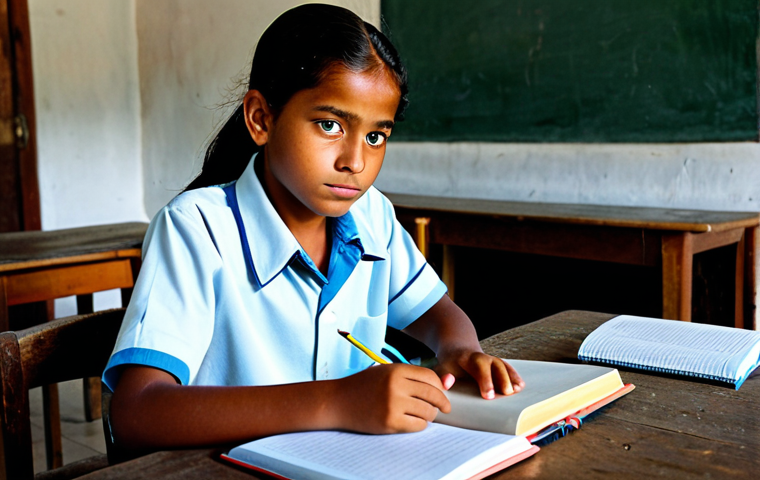
Living in East Timor, I’ve personally witnessed how the erratic nature of the power supply reshapes daily routines in profound and often heartbreaking ways. It’s not merely an inconvenience; it’s a constant, background hum of anxiety that permeates every aspect of life. I remember sitting with a family in a small village, their faces illuminated by the flickering glow of a single kerosene lamp, the generator outside having sputtered into silence hours ago. The grandmother was trying to mend clothes, her fingers fumbling in the dim light, while her grandchildren huddled over schoolbooks, straining their eyes to read. This scene, repeated across countless households, truly hammered home the daily struggle.
For children, the impact is particularly severe. Their ability to study, to engage with digital learning resources, or even just to enjoy a well-lit space for homework is constantly at the mercy of the grid. Parents often feel a deep sense of frustration, knowing their children are falling behind simply because the infrastructure isn’t there to support their aspirations. I observed the vibrant entrepreneurial spirit of the people, from small roadside eateries to craftspeople, constantly battling against this invisible adversary. A sudden blackout could mean a batch of freshly cooked food going cold and unsellable, or an artisan struggling to finish an order under inadequate lighting. The resilience is remarkable, but the toll is undeniable.
1. The Weight of Darkness on Education and Home Life
It’s one thing to hear about power outages, and another to see a child’s face crumple with frustration when the lights go out just as they’re solving a complex math problem. I saw this firsthand in a small community learning center where dedicated teachers were trying to offer evening classes. The interruptions were so frequent that lessons often had to be cut short, or students simply gave up. For families, the evening, which should be a time for rest, connection, and preparation for the next day, becomes a period of uncertainty. Charging phones, cooking meals that require electricity, or even just having a well-lit conversation becomes a logistical puzzle. I’ve often felt a pang of empathy watching mothers trying to manage household chores with one hand, holding a flashlight with the other, their faces etched with fatigue.
2. Economic Setbacks for Small Businesses and Entrepreneurs
The spirit of entrepreneurship in East Timor is incredibly strong, yet it’s constantly tested by an unpredictable power supply. Small businesses, the backbone of local economies, suffer immense losses. Think of a local tailor whose sewing machine relies on electricity, or a small shop owner whose refrigeration units keep perishable goods fresh. I spoke with a woman who ran a small snack stall, explaining how she often had to throw away unsold drinks and ice cream because her small generator couldn’t run long enough, or the fuel was too expensive. It’s a continuous cycle of investment and potential loss, making it incredibly difficult for these businesses to grow, to hire more people, or to truly thrive. This instability discourages larger investments too, keeping the economy from reaching its full potential.
The Hidden Costs: Economic Shadows of Instability
The financial burden of East Timor’s unreliable power isn’t just about lost revenue for businesses; it extends deep into the pockets of everyday citizens and significantly hampers national development. I’ve observed families spending a substantial portion of their meager incomes on alternative solutions – whether it’s expensive kerosene for lamps, charging services for mobile phones, or often, small, noisy, and inefficient generators. The roar of these generators, a constant presence in many neighborhoods, is a clear indicator of the extra expense and effort people must exert just to maintain a semblance of normalcy. This diversion of funds, money that could otherwise be spent on food, education, or healthcare, creates a vicious cycle of underdevelopment.
Furthermore, the high operational costs associated with maintaining backup power solutions for industries and larger institutions deter foreign investment and stifle domestic industrial growth. Companies looking to establish operations often cite the energy instability as a major disincentive. I spoke with an expatriate manager of a small manufacturing plant who confessed that a significant chunk of their operational budget was earmarked not for production or expansion, but purely for fuel and maintenance of their colossal diesel generators. This inefficiency means products cost more to produce, making them less competitive in regional markets, and ultimately slowing down the nation’s economic progress. It’s a foundational issue that casts a long shadow over the entire economy.
1. The Financial Drain on Households and Individuals
When the grid falters, individual households are forced to become their own mini-power companies. I vividly recall seeing children walking along dusty roads carrying car batteries to local charging stations, paying a small fee just to power their families’ single lightbulb or mobile phone for a few hours. This seemingly small expense, when aggregated across a month, can consume a significant percentage of a low-income family’s budget. It’s an unavoidable cost for basic living in many areas. Moreover, for those who can afford it, the purchase and ongoing fueling of a personal generator represent a substantial investment that many families simply cannot sustain, pushing them further into economic vulnerability. The psychological toll of constantly budgeting for and securing these emergency power sources is also immense.
2. Hindering Industrial Growth and Foreign Investment
Any investor, domestic or international, evaluates the stability of essential services before committing capital. In East Timor, the erratic power supply is consistently highlighted as a major impediment to establishing and expanding businesses. I attended a local business forum where numerous entrepreneurs voiced their frustration, explaining how unreliable electricity increased their operational costs, led to production delays, and even forced them to scale back ambitions. Imagine a food processing plant where a power outage could spoil an entire batch of produce, or a construction company whose electric tools suddenly cease to function mid-job. These are not minor inconveniences; they are critical barriers that prevent job creation, limit economic diversification, and ultimately keep the nation from attracting the foreign capital it desperately needs for sustainable development.
Beyond Basic Needs: Health, Education, and Development Hurdles
The profound impact of East Timor’s unreliable power extends far beyond economic inconvenience, deeply affecting critical sectors like healthcare and education, which are the cornerstones of human development. During my time there, I visited a rural clinic and was struck by the precariousness of their operations. Vaccines, essential for preventing widespread diseases, require continuous refrigeration. Yet, I saw refrigerators powered by small, temperamental generators that frequently ran out of fuel or broke down, putting vital medical supplies at risk. The doctors and nurses, already working in challenging conditions, face the added stress of ensuring essential equipment, like diagnostic tools or surgical lights, remains operational during emergencies. It’s a constant battle against the odds, where every blackout potentially jeopardizes patient care and lives.
In the realm of education, the challenges are equally daunting. Modern learning increasingly relies on technology, from computers to internet access, none of which can function without consistent power. I observed students in dimly lit classrooms, struggling to see the blackboard, or unable to use computers meant to bridge the digital divide. The lack of reliable electricity means that schools often cannot operate efficiently after dark, limiting study hours and extracurricular activities. This creates a significant disparity in educational opportunities between urban areas with more stable power and rural communities left in the dark. It’s a systemic issue that threatens to perpetuate cycles of poverty and limits the potential of an entire generation, making long-term national development an uphill battle.
1. Compromising Healthcare Services and Public Health
The vulnerability of healthcare facilities without reliable power is a terrifying reality I witnessed. Imagine a hospital operating theatre suddenly plunged into darkness during a critical surgery, or a cold chain for vaccines being broken, rendering life-saving medication useless. I spoke with a nurse who recounted the desperate scramble to manually pump air into an oxygen tank for a patient when the power went out during a critical period. Even basic sanitation, like pumping water or maintaining clean facilities, becomes a challenge. This isn’t just about comfort; it’s about life and death. The persistent threat of power failures forces healthcare providers to constantly improvise, diverting their precious energy and resources away from patient care towards managing infrastructure failures. This significantly compromises the quality and accessibility of public health services across the nation.
2. Stifling Educational Opportunities and Digital Inclusion
The vision of a digitally literate generation, ready to contribute to a modern economy, is severely hampered by inconsistent electricity. Schools cannot fully integrate computers or provide internet access when the power is frequently off. I met with a group of high school students who were eager to learn coding but had very limited access to functioning computers and internet due to power issues. Evening study sessions, which are crucial for many students, are often impossible without adequate lighting. This creates a significant “digital divide” within the country, where students in more privileged areas gain a technological advantage, while those in rural or underserved areas are left behind, further exacerbating inequalities. It’s a frustrating barrier that prevents the youth of East Timor from fully realizing their academic and professional potential.
Small Victories, Big Dreams: Community Resilience in Action
Despite the pervasive challenges, the spirit of innovation and community resilience in East Timor is truly inspiring. I’ve seen countless examples of local communities and individuals not just surviving but actively seeking out and implementing their own solutions, however small, to bridge the energy gap. These acts of self-reliance, though often born out of necessity, showcase an incredible capacity for adaptation and a fervent desire for progress. From solar-powered lanterns appearing in remote villages to small, cooperative initiatives for communal charging stations, the people are not waiting idly for the government or external aid; they are taking matters into their own hands, piecing together solutions with whatever resources they can muster. This ground-up movement, while limited in scale, offers valuable insights and hope for broader, sustainable energy development.
I remember visiting a remote school where the community, with the help of a small NGO, had installed a rudimentary solar panel system to power a few lightbulbs and a single computer. The sense of pride and ownership among the villagers was palpable; they saw it as their own step towards a brighter future, not just a handout. These grassroots efforts, fueled by local knowledge and collective determination, often address immediate needs with remarkable efficiency. They highlight the importance of localized, context-specific solutions rather than one-size-fits-all approaches. Understanding these small victories, learning from them, and empowering these communities further could be a vital component in East Timor’s journey towards energy independence. It reinforces my belief that real, lasting change often begins at the community level.
1. Grassroots Innovation and Local Adaptations
The sheer ingenuity of East Timorese communities in the face of energy scarcity is something I deeply admire. I’ve observed ingenious charging solutions using car batteries linked to solar panels, small communal generators shared among neighbors to keep essential appliances running, and even makeshift solar cookers to reduce reliance on electricity for cooking. These are not high-tech solutions, but practical, immediate responses to daily challenges. For example, I saw a small village where a group of women had pooled resources to buy a larger solar panel, which they then used to charge everyone’s mobile phones and small LED lamps for a small fee, creating a micro-economy around energy. This type of organic problem-solving, deeply rooted in local needs and available resources, provides a powerful model for sustainable development.
2. The Role of Community-Led Projects and NGOs
Many of the successful localized energy initiatives I encountered were either directly community-led or facilitated by dedicated non-governmental organizations working closely with the people. These NGOs often provide the initial technical expertise, funding, or access to equipment, but it is the community’s engagement and ownership that truly makes these projects sustainable. I spoke with the head of a local development organization who emphasized that their role was not just to install a solar panel but to empower the community to maintain it, understand its benefits, and integrate it into their daily lives. This collaborative approach fosters a sense of responsibility and ensures that solutions are culturally appropriate and truly meet the needs of those they are intended to serve. It’s a powerful demonstration of how collective action can create tangible change even amidst widespread systemic issues.
Charting a Brighter Future: Paths to Energy Independence
The path forward for East Timor’s energy sector is complex, multifaceted, and requires a concerted effort from all stakeholders. It’s not just about building more power plants, but about creating a resilient, equitable, and sustainable energy ecosystem. Based on my observations and conversations with local experts and community members, I believe a combination of centralized grid improvements and decentralized renewable energy solutions holds the most promise. The current reliance on aging diesel generators is not only environmentally unsustainable but also economically crippling due to volatile fuel prices. Shifting towards cleaner, more reliable sources is not just a desirable goal; it’s an economic imperative for the nation’s long-term prosperity and stability.
Investing in renewable energy sources like solar and hydro power, which East Timor has in abundance, presents a significant opportunity. Solar power, in particular, offers a rapid deployment potential for remote areas that are difficult to connect to a centralized grid. I’ve heard compelling arguments from energy consultants about the cost-effectiveness and environmental benefits of scaling up these technologies. However, such a transition requires substantial initial investment, robust regulatory frameworks, and skilled local labor to install and maintain these systems. It’s a monumental task, but one that, if executed strategically, could transform the nation’s energy landscape and unlock its true potential. The global community also has a role to play in supporting this transition through funding, technology transfer, and capacity building.
| Energy Source | Current Role in East Timor | Potential for Future Growth | Key Challenges |
|---|---|---|---|
| Diesel Generators | Dominant for grid and off-grid. | Declining (high cost, pollution). | Fuel costs, emissions, reliability issues. |
| Hydropower | Limited, but some projects exist. | High (significant untapped potential). | High upfront cost, environmental impact, seasonality. |
| Solar PV | Growing for off-grid, some pilot projects. | Very High (abundant sunshine). | Intermittency, battery storage needs, upfront cost. |
| Geothermal | Untapped, largely unexplored. | Moderate (potential hot spots). | High exploration risk, specialized technology. |
1. Leveraging Abundant Renewable Resources: Solar and Hydro
East Timor is blessed with incredible solar irradiance and numerous rivers, offering immense potential for renewable energy development. I remember driving through vast, sun-drenched landscapes and thinking about the sheer amount of untapped solar energy. Implementing large-scale solar farms could provide a significant, clean boost to the national grid, reducing reliance on expensive diesel. Similarly, expanding existing hydropower facilities and exploring new sites could offer a consistent, baseload power source, especially during the rainy season. The key is to develop these resources thoughtfully, with careful environmental assessments and community engagement to ensure long-term sustainability. It’s not just about generating power, but doing so in a way that respects the environment and empowers local communities.
2. Building Capacity and Attracting Investment for a Green Grid
Transitioning to a green energy economy requires more than just natural resources; it demands a skilled workforce and significant financial investment. I’ve observed that while there’s a strong desire for change, there’s also a clear need for specialized training in renewable energy technologies, from installation to maintenance. Attracting both public and private investment is crucial. This means creating a stable regulatory environment, offering clear incentives for green energy projects, and building trust with international partners. Forums and workshops I attended highlighted the importance of transparent tender processes and clear energy policies to give investors the confidence they need. It’s about building a robust ecosystem that supports the growth of a sustainable energy sector.
The Human Equation: My Reflections on the Road Ahead
Reflecting on my experiences in East Timor, I’m left with a profound sense of both the immense challenges and the inspiring resilience of its people. The energy crisis isn’t an abstract problem; it’s a deeply human one, impacting every single person’s daily life, dreams, and opportunities. I’ve seen the sheer determination of a student studying under a flickering mobile phone light, the quiet perseverance of a street vendor trying to save her perishable goods, and the unwavering dedication of a healthcare worker improvising in a power cut. These are the stories that stay with me, reinforcing the urgent need for sustainable and equitable energy solutions.
It’s clear to me that while large-scale infrastructure projects are vital, the path forward also lies in empowering local communities with decentralized solutions, fostering homegrown innovation, and investing in human capital. The conversation needs to shift from just ‘providing electricity’ to ‘enabling potential.’ Every stable light bulb, every reliably charged phone, every consistent refrigerator in a clinic isn’t just a utility; it’s a foundation upon which individuals can build brighter futures. The journey will be long and arduous, but with collaborative efforts, a focus on renewables, and an unwavering commitment to the well-being of its citizens, East Timor can illuminate its own path to lasting prosperity. The hope I’ve witnessed on the ground, the relentless spirit of its people, truly makes me believe in that future.
1. Empowering Local Communities and Fostering Ownership
My time in East Timor has firmly convinced me that lasting energy solutions must be developed in partnership with, not just for, local communities. I’ve seen how projects thrive when local residents feel a sense of ownership and are actively involved in the planning, implementation, and maintenance phases. It’s about understanding their specific needs, respecting traditional knowledge, and building local capacity. For instance, training community members to become solar panel technicians or small hydro plant operators not only creates jobs but also ensures the long-term viability of these projects. This empowerment fosters a virtuous cycle where communities become agents of change, rather than passive recipients of aid. True progress, I believe, is built from the ground up, with the people themselves at the heart of the solution.
2. A Call for Global Partnership and Sustained Commitment
While East Timor is doing its part, the scale of the energy challenge necessitates sustained international support and genuine partnership. I’ve observed that many projects are initiated with great enthusiasm but sometimes falter due to a lack of ongoing funding, technical expertise, or consistent policy support. It’s not enough to simply provide a one-time grant; there needs to be a long-term commitment to capacity building, technology transfer, and sharing best practices. Foreign governments, international organizations, and private investors have a crucial role to play in accelerating East Timor’s transition to a reliable and sustainable energy future. This isn’t just an act of charity; it’s an investment in regional stability, economic growth, and the shared global goal of achieving energy access for all. The story of East Timor’s energy landscape is a testament to the fact that addressing such fundamental challenges requires a truly collaborative and enduring global effort.
Concluding Thoughts
Reflecting on my time in East Timor, the energy crisis isn’t merely a technical hurdle; it’s a deeply human story of resilience, innovation, and unwavering hope.
I’ve seen firsthand how a flickering light can symbolize both daily struggle and profound aspiration. The path to a truly stable and sustainable energy future for East Timor is complex, but the sheer determination of its people, coupled with the nation’s abundant renewable resources, paints a truly optimistic picture for what lies ahead.
This journey is a powerful testament to the fact that with focused effort and global partnership, even the most fundamental challenges can be overcome, illuminating a brighter path for generations to come.
Useful Information
1.
When visiting East Timor or considering long-term stays, be prepared for occasional power interruptions. While progress is being made, having a power bank for your devices and a small flashlight can significantly ease your experience.
2.
East Timor boasts immense potential for renewable energy, particularly solar and hydropower. These sectors represent significant opportunities for sustainable development and investment for those looking to make an impact.
3.
Many local communities are actively implementing innovative, small-scale energy solutions, often with the support of NGOs. These grassroots efforts are critical for fostering self-reliance and addressing immediate needs at the local level.
4.
The current reliance on diesel generators imposes a substantial economic burden on both households and businesses. This highlights the urgent need and economic incentive for a transition to more affordable and reliable energy sources.
5.
International collaboration, investment, and knowledge transfer are crucial for accelerating East Timor’s journey towards energy independence. Supporting initiatives focused on green energy infrastructure and capacity building can make a profound difference.
Key Takeaways
East Timor’s unreliable power supply profoundly impacts daily life, from education and healthcare to small businesses and national economic growth. Personal experiences highlight the significant struggles faced by citizens and entrepreneurs.
Despite these challenges, there is inspiring community resilience and grassroots innovation. The path forward involves leveraging abundant renewable resources like solar and hydro, building local capacity, and attracting sustained international investment to create a stable, green, and equitable energy future for the nation.
Frequently Asked Questions (FAQ) 📖
Q: Beyond just the lights going out, what are some of the most heartbreaking daily struggles faced by ordinary people in East Timor due to the unreliable electricity?
A: Oh, it’s so much more than just a momentary inconvenience; it truly cuts deep into the fabric of daily life. I’ve personally witnessed the sheer despair on the faces of small street vendors, their fresh produce or prepared foods spoiling right before their eyes because their small generator sputtered out, or they simply couldn’t afford the fuel to keep it running through the night.
Imagine the sheer waste, the lost income that could have fed their family. Then there are the students, brilliant kids with so much potential, literally fumbling in the dark, trying to do homework by the dim glow of a phone, if they’re lucky enough to have one charged.
And honestly, it gets even more critical: I’ve heard stories, almost too painful to repeat, of health clinics struggling to keep vital vaccines refrigerated or medical equipment running during a power cut.
It’s not just about comfort; it’s about life and livelihood.
Q: Why does East Timor, in this modern age, seem stuck in such a fundamental struggle for consistent power when the rest of the world talks about smart grids and advanced renewables?
A: That’s a question that weighs heavily on anyone who’s spent time there. It’s a stark contrast, isn’t it? While places like California or Europe are optimizing wind farms and complex energy networks, East Timor is still fighting for the very basics.
From what I’ve gathered, and what you can see plain as day, much of their energy infrastructure is just… old. It’s a mishmash of systems, often patched together, and critically, consistently underfunded.
There hasn’t been enough consistent investment to build a robust, modern grid from the ground up, or even properly maintain what they have. It’s like trying to run a marathon in shoes that are falling apart; the ambition is there, the need is immense, but the fundamental tools are just not up to the task.
It’s a foundational issue they’re still battling, before they can even dream of the ‘cutting-edge’ stuff.
Q: The text mentions this isn’t “just an engineering problem.” What are the broader, more deeply human implications of East Timor’s power crisis for the nation’s future?
A: Absolutely. To call it merely an “engineering problem” would be to miss the entire, painful point. When you’re there, you realize it’s a profound human dilemma.
This unreliable power supply shackles their economic growth; how can businesses flourish, or even start, if they can’t depend on consistent electricity?
It stunts educational opportunities for the next generation. It undermines public health. Think about it: a nation’s stability and its citizens’ well-being are intrinsically tied to access to fundamental services, and reliable power is at the very top of that list.
It’s about dignity, opportunity, and the potential for a brighter future. Until this foundational issue is addressed, it’s not just a few lights flickering; it’s the very spark of national development that’s struggling to ignite.
It touches every single aspiration the Timorese people have for their country.
📚 References
Wikipedia Encyclopedia
구글 검색 결과
구글 검색 결과
구글 검색 결과
구글 검색 결과
구글 검색 결과