As global travelers seek off-the-beaten-path destinations in 2024, Timor-Leste emerges as a captivating jewel waiting to be explored. With its untouched landscapes and rich cultural tapestry, this Southeast Asian nation offers a refreshing alternative to crowded tourist spots.
Whether you’re drawn to rugged coastlines, vibrant local traditions, or thrilling outdoor adventures, Timor-Leste promises an unforgettable experience.
Join me as we uncover the top must-see attractions that make this hidden gem a paradise for adventurous souls craving something truly unique. Get ready to dive into a world where nature and culture blend seamlessly, inviting you to create memories far from the usual travel crowds.
Exploring Timor-Leste’s Unspoiled Coastal Treasures
Secluded Beaches with Untamed Beauty
Timor-Leste’s coastline offers some of the most breathtaking, untouched beaches you’ll ever come across. Unlike the heavily commercialized shores in other parts of Southeast Asia, these beaches feel like private sanctuaries.
I remember stumbling upon a stretch of white sand bordered by crystal-clear waters and lush greenery where not a soul was in sight. The tranquility is profound, and the sense of discovery makes every moment magical.
Whether you want to relax with a book, swim in calm lagoons, or simply watch the sunset paint the sky, these coastal gems deliver an authentic, peaceful escape from the usual tourist hustle.
Snorkeling and Diving in Pristine Waters
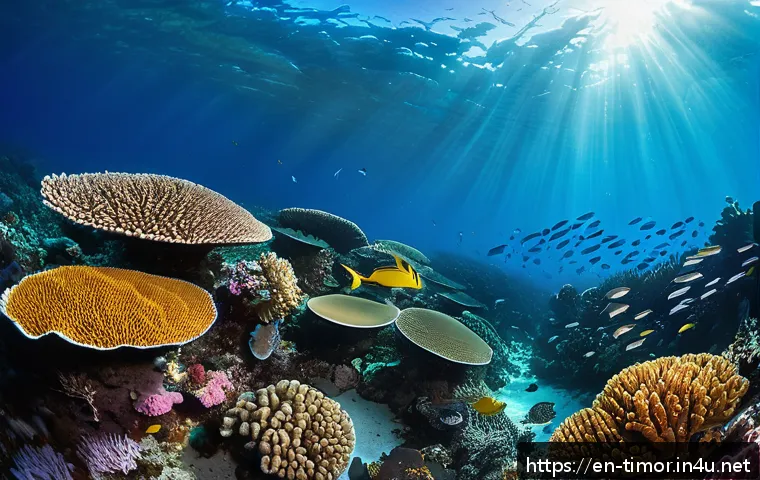
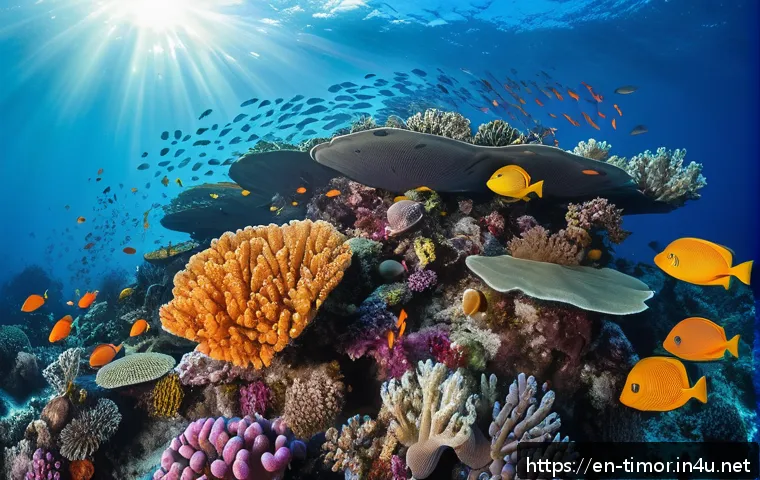
One of Timor-Leste’s best-kept secrets is its spectacular underwater world. The reefs around Atauro Island, for example, rank among the richest in biodiversity.
I had the chance to dive there, and the vibrant corals, schools of colorful fish, and occasional sea turtles made it an unforgettable underwater adventure.
The low tourist traffic means these ecosystems are remarkably healthy, which is a real treat for snorkelers and divers alike. For anyone passionate about marine life, Timor-Leste’s waters offer a rare glimpse into a thriving aquatic paradise.
Fishing Villages: A Glimpse into Traditional Coastal Life
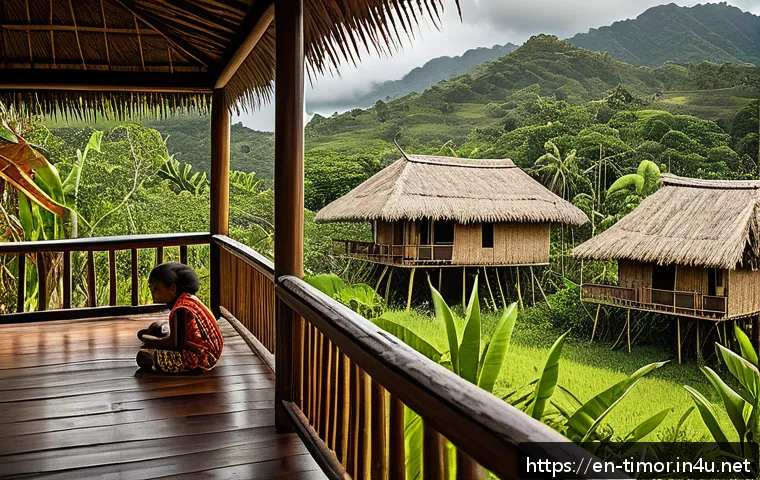
Beyond natural beauty, Timor-Leste’s coastal villages showcase a way of life deeply connected to the sea. Visiting these communities offers a heartwarming insight into daily routines shaped by the ocean’s rhythms.
I spent an afternoon chatting with local fishermen who shared stories about their craft and the seasonal changes they rely on. Traditional boat-building and net-mending are still practiced with pride, providing a living cultural experience that’s as enriching as the stunning scenery.
Immersing in Timor-Leste’s Rich Cultural Mosaic
Festivals That Ignite the Spirit
Timor-Leste’s calendar is dotted with vibrant festivals that celebrate its diverse heritage. From the colorful dances of the Fataluku people to the lively Catholic processions reflecting the country’s colonial history, these events burst with energy and meaning.
I found myself swept up in the contagious enthusiasm during a local festival, where music, dance, and food came together to create a sense of unity and joy.
Participating in such celebrations provides an invaluable connection to Timor-Leste’s soul, far beyond what any guidebook can convey.
Traditional Handicrafts and Markets
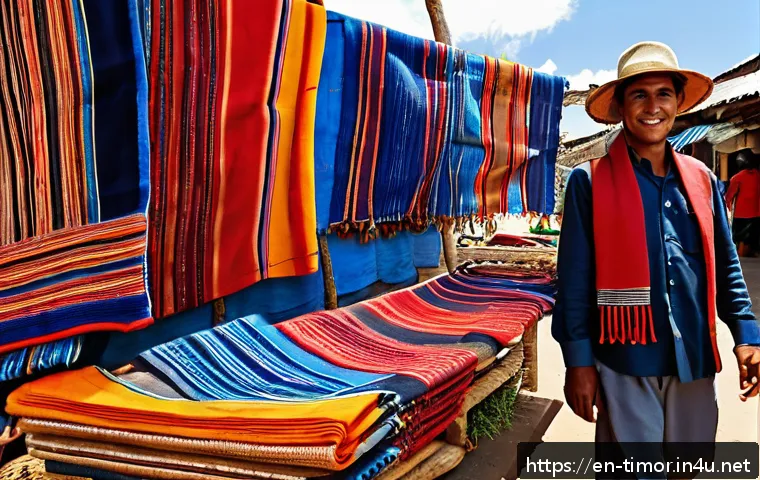
Exploring local markets is a journey through Timor-Leste’s artistic traditions. The intricate ikat weaving stands out as a symbol of cultural pride, with artisans painstakingly creating patterns that tell stories of ancestry and identity.
I bought a handwoven scarf directly from a weaver, and hearing her describe the symbolism behind the colors and designs made the piece feel like a treasure.
These markets aren’t just for shopping—they’re vibrant hubs where culture is alive and accessible.
Culinary Adventures with a Local Twist
Timor-Leste’s cuisine is a delightful fusion of indigenous flavors and Portuguese influences. Sampling dishes like Ikan Pepes (fish steamed in banana leaves) or the hearty Batar Da’an (corn and mung bean stew) gave me a taste of the country’s unique palate.
What I appreciated most was the warmth with which locals shared their meals, often inviting me to join family-style feasts. Food here isn’t just sustenance; it’s a bridge to community and tradition that enhances the travel experience exponentially.
Venturing into Timor-Leste’s Rugged Highlands and Wilderness
Hiking Trails with Jaw-Dropping Views
For those who crave adventure on foot, Timor-Leste’s mountainous terrain offers some seriously rewarding hikes. Trails like the one up Mount Ramelau—the highest peak in the country—challenge you physically but reward with panoramic vistas that are absolutely worth the effort.
On my trek, the changing landscapes from dense forests to rocky outcrops felt like stepping through different worlds, each with its own mood and magic.
It’s the kind of hike that stays with you long after you’ve descended.
Encountering Rare Wildlife in Natural Habitats
The country’s wilderness is home to some fascinating species rarely seen elsewhere. Birdwatchers will find delight in spotting endemic birds such as the Timor green-pigeon or the pink-headed imperial pigeon.
I was lucky enough to catch glimpses of these elusive creatures during early morning excursions, which felt like a privilege granted by the stillness of the forest.
Preserving this biodiversity is crucial, and eco-conscious travelers can contribute by choosing guided tours that respect the environment.
Eco-Tourism Initiatives Supporting Local Communities
Timor-Leste is embracing sustainable tourism models that protect its natural heritage while empowering local populations. I participated in a community-led eco-tourism project that combined trekking with cultural exchange, and it was a refreshing change from the typical tourist circuit.
Such initiatives ensure that your travel dollars directly benefit the people preserving these landscapes and traditions. It’s a way to give back while enjoying authentic experiences that deepen your understanding of the region.
Timor-Leste’s Hidden Urban Gems and Historical Narratives
The Capital’s Blend of Old and New
Dili, the capital city, offers a surprisingly dynamic contrast to the country’s rural serenity. Walking through its streets, you’ll find a mix of colonial-era architecture and modern developments.
I enjoyed wandering along the waterfront promenade, where locals gather for evening strolls and street food. The city feels alive but unpretentious, with museums and memorials that tell powerful stories of Timor-Leste’s struggle for independence.
It’s a place to absorb history and witness a nation’s resilience.
Historical Sites Steeped in Memory
Sites like the Resistance Museum and the Santa Cruz Cemetery provide sobering yet essential insights into Timor-Leste’s recent past. Visiting these places felt deeply moving for me, as they honor the sacrifices made during the fight for freedom.
The narratives shared by local guides brought history to life, making it impossible to remain indifferent. These visits add a layer of depth to your trip, reminding travelers that the beauty of Timor-Leste is intertwined with a powerful story of perseverance.
Local Cafés and Cultural Hangouts
Beyond the landmarks, the city’s small cafés and art spaces offer a glimpse into contemporary Timorese life. I found myself returning to a tiny coffee shop where the owner brewed traditional Timorese coffee with care and pride.
These spots are perfect for slowing down, chatting with locals, and observing everyday rhythms. They create a welcoming atmosphere where you feel part of the community rather than just a visitor.
Adventure Sports and Outdoor Thrills Off the Beaten Path
Surfing Untamed Waves
Timor-Leste is gradually gaining recognition as a surfer’s paradise, thanks to its powerful, uncrowded waves. Beaches on the south coast, like Jaco Island’s shores, offer challenging surf breaks that attract thrill-seekers looking for solitude and quality waves.
I tried surfing here with a local instructor, and the experience was exhilarating—not just because of the waves, but because of the pristine environment and the welcoming vibe of the small surf community.
It’s a perfect spot for intermediate to advanced surfers craving a fresh challenge.
Kayaking and River Adventures
The country’s rivers and coastal inlets invite exploration by kayak, providing a unique way to connect with nature. Paddling through calm waters surrounded by mangroves and cliffs feels meditative and adventurous at the same time.
During one trip, I spotted monitor lizards sunbathing on riverbanks and a variety of bird species, making the experience both peaceful and thrilling. Kayaking tours also often include visits to hidden caves and secluded beaches, adding to the sense of discovery.
Mountain Biking Through Scenic Trails
For mountain biking enthusiasts, Timor-Leste offers rugged terrain that challenges and excites. Trails weaving through villages, hills, and forests provide a mix of technical rides and stunning scenery.
I rented a bike in Dili and took a day trip that turned into an unexpected adventure with a mix of steep climbs and rewarding downhill runs. The opportunity to explore off-the-beaten-track areas on two wheels gives a fresh perspective on the country’s diverse landscapes.
Practical Tips for Navigating Timor-Leste with Ease
Getting Around: Transport Options and Accessibility
Traveling within Timor-Leste is an adventure in itself due to limited infrastructure but rewarding for those who plan ahead. The main modes of transport include shared minibuses, motorbike rentals, and private drivers.
I found hiring a local driver invaluable for reaching remote spots safely and comfortably, especially since road conditions can vary widely. Public transport offers an authentic experience but requires flexibility and patience.
For island hopping, boats connect Atauro Island with Dili, providing scenic journeys that are part of the adventure.
Currency and Budgeting for Your Trip
The US dollar is the official currency in Timor-Leste, which simplifies transactions for many travelers. Prices are generally affordable, though some remote areas may have limited services and slightly higher costs for certain goods.
I kept a mix of cash and cards handy, as ATMs can be scarce outside Dili. Budget-wise, you can enjoy everything from basic homestays to more upscale lodges, making Timor-Leste accessible for various travel styles.
Planning ahead helps avoid surprises and allows you to allocate funds for unique experiences like guided tours and cultural workshops.
Health and Safety Considerations
While Timor-Leste is relatively safe for travelers, basic precautions are essential. I made sure to stay hydrated, use mosquito repellent, and take care with food and water, especially in rural areas.
Health facilities are limited, so travel insurance with medical coverage is a must. The warmth and friendliness of locals contribute to a reassuring travel atmosphere, but it’s always wise to stay informed about current conditions and follow local advice.
Being prepared enhances your confidence and enjoyment while exploring this fascinating country.
| Category | Highlights | Tips |
|---|---|---|
| Beaches & Diving | Secluded white sand beaches, Atauro Island reefs | Visit early morning for calm waters; book guided dives for safety |
| Cultural Experiences | Local festivals, ikat weaving, traditional cuisine | Engage with artisans and families for deeper insight |
| Outdoor Activities | Mount Ramelau hiking, surfing south coast, kayaking | Hire local guides; carry sufficient water and supplies |
| Urban & Historical | Dili’s waterfront, Resistance Museum, local cafés | Explore on foot; respect memorial sites |
| Travel Logistics | Shared minibuses, motorbikes, US dollar currency | Plan transport in advance; carry cash for rural areas |
Connecting with Timor-Leste’s Warm and Welcoming People
The Genuine Hospitality of Local Communities
One of the most memorable parts of my journey was the warmth and openness of Timor-Leste’s people. Whether staying in a guesthouse or sharing a meal, locals greeted me with genuine kindness that made me feel part of their world.
This hospitality isn’t just politeness—it’s a heartfelt expression of culture that invites visitors to slow down and connect deeply. I found that simple gestures like learning a few Tetum phrases or sharing stories over coffee opened doors to unforgettable friendships.
Community-Based Tourism: Meaningful Interactions
Some of the best experiences came from community-based tourism projects that prioritize cultural exchange and mutual respect. I joined a homestay program where I helped with daily chores and learned traditional crafts.
This immersive approach gave me a new appreciation for the rhythms of life here and allowed me to contribute positively to the community. These interactions enrich your trip, turning it into a shared journey rather than a one-sided visit.
Respecting Traditions and Local Norms
Understanding and respecting local customs is key to a rewarding visit. Timor-Leste is a deeply spiritual country with strong family and community ties.
I noticed that modest dress, polite greetings, and asking permission before photographing people go a long way in showing respect. Taking time to learn about cultural nuances enhances your interactions and helps avoid misunderstandings.
It’s a simple yet powerful way to honor the people who make Timor-Leste such a special place.
Closing Thoughts
Timor-Leste is a truly remarkable destination where untouched nature, rich culture, and warm-hearted people come together to create an unforgettable experience. Whether you seek peaceful beaches, thrilling adventures, or meaningful cultural connections, this hidden gem delivers on every front. Embracing its authenticity allows travelers to discover a side of Southeast Asia that remains wonderfully unspoiled and genuine.
Useful Information to Keep in Mind
1. Travel light and prepare for varied terrain—comfortable shoes and sun protection are essential for exploring both coastlines and highlands.
2. Learning a few basic Tetum phrases can open doors and enrich interactions with locals, who deeply appreciate respectful efforts.
3. Carry a mix of cash and cards, as ATM access is limited outside major towns, and many rural vendors prefer cash transactions.
4. Book guided tours for activities like diving and hiking to ensure safety and gain insider knowledge from experienced locals.
5. Respect local customs and dress modestly, especially when visiting villages and religious sites, to honor community traditions.
Key Takeaways for a Smooth Visit
Timor-Leste offers a rare blend of natural beauty and cultural richness that thrives thanks to sustainable tourism and community involvement. Prioritizing eco-friendly travel and choosing local guides not only enhances your experience but also supports the preservation of this unique destination. Being mindful of infrastructure limitations and health precautions will help you enjoy a safe and rewarding journey. Above all, embracing the genuine hospitality and traditions of Timor-Leste’s people will leave a lasting impression beyond any typical tourist adventure.
Frequently Asked Questions (FAQ) 📖
Q: uestionsQ1: What is the best time of year to visit Timor-Leste for outdoor activities?
A: From my experience, the dry season, which runs from May to November, is the ideal time to explore Timor-Leste. The weather is generally sunny and pleasant, perfect for hiking, diving, and beach adventures.
I found that visiting during these months made the trails easier to navigate and the water clearer for snorkeling around Atauro Island. Avoiding the wet season helps you dodge heavy rains that can limit outdoor plans.
Q: Is Timor-Leste a safe destination for solo travelers?
A: Absolutely! When I traveled solo there, I felt very welcomed and safe. The local communities are warm and friendly, and crime rates are low compared to many other travel spots.
Of course, like anywhere, it’s wise to take basic precautions—keep your belongings secure and be mindful when exploring less populated areas. But overall, Timor-Leste offers a peaceful and authentic experience for solo adventurers looking to immerse themselves in nature and culture.
Q: What cultural experiences should I not miss while visiting Timor-Leste?
A: One of the highlights for me was witnessing traditional ceremonies and dances, especially in villages like Laclubar and Liquiçá. The locals are proud of their heritage, and these vibrant events showcase their unique music, costumes, and rituals.
Also, don’t miss trying Timorese cuisine—dishes like Ikan Pepes (grilled fish wrapped in banana leaves) and the local coffee are unforgettable. Engaging with community projects or staying with local families can deepen your understanding and make your trip truly meaningful.