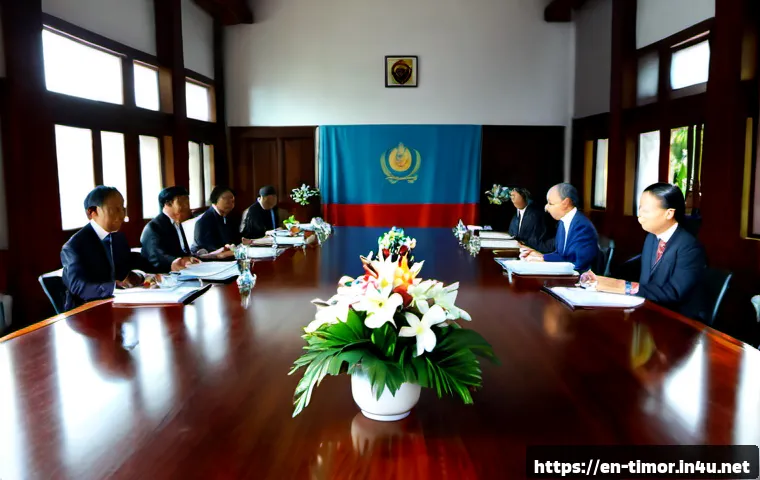
China is a meaningful diplomatic and development partner for Timor-Leste, but a diplomatic announcement is not the same as a contract-ready commercial opportunity.
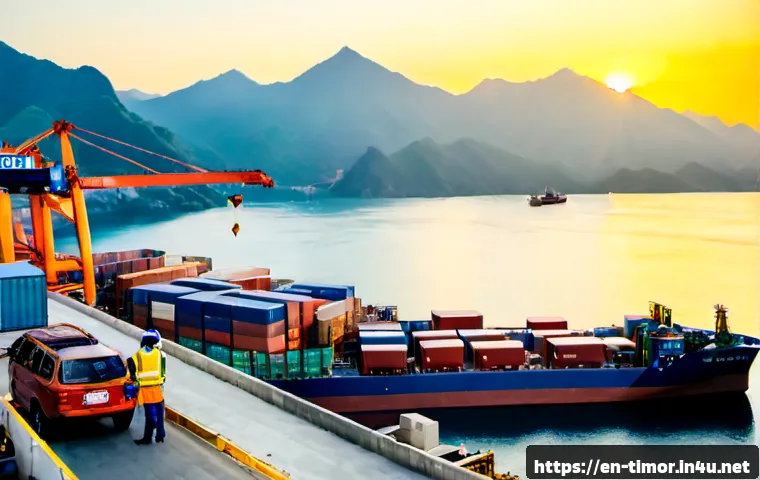
For contractors, suppliers, and investors, the most useful question is not whether China is involved, but whether project funding, procurement, operating needs, and risk allocation can be verified.
The two countries established diplomatic relations in 2002, and their cooperation covers public facilities, infrastructure support, education, health assistance, and capacity-building.
Timor-Leste also works closely with Australia, Portugal, Indonesia, Japan, the United States, and multilateral partners, so its external relationships should not be viewed through a single-country lens.
China can matter in trade logistics, manufactured-goods supply, and infrastructure market research, yet project-level due diligence remains essential.
Businesses considering market entry should compare advisory, legal, logistics, and local-partner support based on the specific opportunity rather than regional headlines.
At a Glance
- China and Timor-Leste established diplomatic relations in 2002, and both maintain diplomatic representation in Dili and Beijing.
- Cooperation includes public infrastructure support, government facilities, education, medical assistance, and technical capacity-building.
- China’s role is relevant, but funding terms, procurement status, maintenance obligations, and commercial demand must be checked project by project.
| Cooperation Area | Possible Business Opportunity | Primary Risk | Verification Step |
|---|---|---|---|
| Public infrastructure and facilities | Contracting, subcontracting, equipment supply, engineering support | Unclear financing, tender status, or maintenance responsibility | Confirm the contracting authority, funding source, and active procurement process |
| Manufactured-goods trade | Import distribution, sourcing, spare parts, consumer goods logistics | Shipping, customs, inventory, and local distribution constraints | Review freight routes, customs procedures, insurance, and partner capability |
| Education, health, and technical cooperation | Training services, technical equipment, institutional partnerships | Confusing assistance programs with direct purchasing opportunities | Identify the implementing institution and its actual procurement needs |
| Belt and Road engagement | Country-risk research, project screening, market-entry advisory | Assuming a memorandum guarantees future financing or contracts | Separate policy signals from published feasibility, tender, and operating information |
What the China–Timor-Leste Relationship Means in Practice
A Short Answer for Readers Tracking Diplomacy, Trade, and Infrastructure
China is an established diplomatic partner of Timor-Leste and an important supplier of manufactured goods. The relationship also includes development-oriented cooperation in areas such as public facilities, infrastructure support, education, medical assistance, and institutional capacity-building. Timor-Leste signed a Belt and Road cooperation memorandum with China in 2017, which signals a framework for engagement.
The practical commercial point is narrower: a cooperation framework does not by itself confirm a financed project, an open tender, a viable supply contract, or a reliable payment structure. A business team should treat diplomatic statements as context for country-risk analysis, then move to project documents and local market evidence.
Why a Small Market Can Still Matter Strategically
Timor-Leste has a small domestic market, but its diplomatic choices, infrastructure needs, and regional relationships can still be strategically important. The country operates within a network of relationships that includes Australia, Portugal, Indonesia, Japan, the United States, and multilateral partners. This creates a more diverse environment than a simple China-versus-other-partners narrative suggests.
For international firms, the opportunity may lie less in scale and more in specialized delivery: appropriate equipment supply, logistics planning, technical services, training, maintenance support, or carefully selected local distribution arrangements. The key is matching the offer to a verified need rather than assuming that geopolitical attention automatically creates demand.
The Difference Between Diplomatic Support and Investable Opportunity
Diplomatic support may lead to meetings, memoranda, assistance programs, or broad cooperation language. An investable opportunity usually needs more: a defined buyer or contracting authority, available funding, a procurement route, workable contract terms, and a credible operating model.
Before assigning sales resources or preparing a bid, ask whether the opportunity has moved beyond public messaging. Is there a responsible agency? Is the funding source identified? Is procurement active, planned, or only discussed? Are maintenance, staffing, and imported inputs addressed? If those answers are unavailable, the opportunity should remain in a research pipeline rather than a revenue forecast.
Key Areas of Cooperation and Their Commercial Relevance
Public Buildings, Infrastructure, and Development Assistance
China’s cooperation with Timor-Leste has included government facilities, public infrastructure support, and capacity-building. These areas can be relevant to construction companies, engineering firms, equipment suppliers, and technical service providers. However, public-sector work has several layers of risk: project ownership, financing terms, tender procedures, subcontracting rules, and long-term maintenance can all affect whether participation is realistic.
A contractor should not assume that a China-linked project uses a single procurement model. The commercial structure may depend on the particular project and the relevant institutions. Review contracting authority, procurement transparency, technical specifications, payment provisions, local labor expectations, and maintenance obligations before treating a project as bid-ready.
Trade in Manufactured Goods and Consumer Imports
China is an important supplier of manufactured goods to Timor-Leste, although bilateral trade remains relatively small compared with major regional trade corridors. This matters for importers, wholesalers, retailers, and businesses that need machinery, components, consumer products, or replacement parts.
The commercial challenge is often not simply product sourcing. It is the full import chain: supplier reliability, shipping arrangements, customs handling, product documentation, storage, distribution, after-sales support, and foreign-exchange exposure. A lower purchase price may not produce a stronger commercial result if delivery timing, insurance, spare-parts availability, or local sales support are not planned.
For smaller suppliers, a practical first step is to identify a distribution partner that can handle local relationships and routine delivery issues. Logistics planning should be completed before inventory commitments are made.
Education, Health, and Technical Cooperation
Education opportunities, medical assistance, and technical cooperation are part of the wider relationship. These activities can create demand for training, technical systems, support services, and institutional partnerships, but they should not be interpreted as automatic procurement channels.
A business or nonprofit organization should identify the actual implementing body and its decision-making process. A ministry, public institution, development partner, or service provider may have different procurement requirements. The relevant question is not whether an assistance program exists; it is whether there is a documented need, an authorized budget, and a suitable route for external suppliers or partners.
Belt and Road Engagement: What It Signals and What It Does Not Guarantee
Timor-Leste signed a Belt and Road cooperation memorandum with China in 2017. This indicates a willingness to cooperate within that framework and may be relevant to geopolitical-risk assessments and long-term infrastructure research.
It does not guarantee that future Chinese financing will expand, that a specific sector will receive funding, or that a project will be commercially viable. The value, repayment structure, procurement conditions, and detailed terms of individual China-linked projects require separate confirmation. Businesses should avoid presenting broad policy alignment as proof of awarded work or future revenue.
Comparing Development Partners, Financing Models, and Project Risks
China, Multilateral Lenders, and Bilateral Partners: Practical Comparison Criteria
Timor-Leste works with multiple bilateral and multilateral partners. Comparing partners does not require framing the country’s foreign policy as a geopolitical contest. Instead, compare the practical features that affect delivery and risk.
Useful comparison criteria include funding visibility, procurement route, disclosure of contract terms, local implementation capacity, technical standards, maintenance planning, and currency exposure. A project supported by any external partner can face delays or operational constraints if these basics are unclear. Conversely, a well-defined project can be more actionable regardless of which partner is associated with it.
Finance Structure, Tender Process, Maintenance Costs, and Local Capacity
Financing structure deserves close attention because project announcements may not disclose all payment, repayment, or procurement conditions. For infrastructure due diligence, determine whether a project has identified funding, whether the project owner can contract directly, and whether the tender process is open, limited, planned, or not yet announced.
Maintenance is equally important. A facility or asset may require imported parts, specialized labor, ongoing training, or service contracts after construction ends. If those needs are not planned, a technically attractive project may still carry significant operating risk. Local capacity should be assessed carefully, including the availability of suitable partners, labor arrangements, communications, and routine servicing capability.
When External Legal, Engineering, or Country-Risk Advice Is Worth the Cost
External advice may be justified when the financial or reputational consequences of a mistake are higher than the cost of verification. This is especially relevant where a business is considering a public contract, a long-term supply commitment, complex shipping arrangements, or an unfamiliar local partner.
Country-risk research can help distinguish policy context from operational conditions. Legal review can help assess contracting authority, governing terms, compliance requirements, and dispute-related provisions. Engineering review can help test specifications, maintenance needs, and technical assumptions. Logistics advisory can help clarify transport, customs, insurance, and distribution exposure.
The right service depends on the decision being made. A small exporter may need logistics and distributor screening first. A contractor reviewing a major tender may need legal, engineering, and procurement analysis before committing bid resources.

Due Diligence Steps for Contractors, Suppliers, and Investors
Verify the Contracting Authority, Funding Source, and Procurement Status
Start with the entity that can actually buy, award, approve, or operate the project. Confirm whether it is a government body, public institution, private company, development partner, or another authorized organization. Then identify the funding source and the stage of procurement.
A useful document trail may include a formal notice, scope of work, tender documentation, funding confirmation, technical requirements, and a clear point of contact. Do not rely on a press release or diplomatic meeting alone as evidence that a contract is available.
Review Currency, Shipping, Customs, Labor, and Insurance Exposure
For goods and construction inputs, delivery risk should be reviewed alongside pricing. Consider how products will move into Timor-Leste, who manages customs procedures, how goods are stored, and whether local distribution can support the required service level. Insurance responsibilities should be clear before goods are dispatched.
For contractors, labor planning should address local capacity, supervision needs, training requirements, and any dependency on specialized external personnel. Currency and payment exposure should also be reviewed because a contract can look attractive before timing, transfer, or foreign-exchange considerations are understood.
Avoid Common Mistakes When Interpreting Government Announcements
One common mistake is treating a memorandum, official visit, or broad cooperation statement as proof of immediate demand. Another is assuming that a foreign partner’s participation automatically makes a project low-risk. A third is overlooking the distinction between construction funding and the resources needed to operate and maintain an asset.
Use a simple discipline: classify each item as policy signal, proposed project, funded project, active procurement, awarded contract, or operating asset. These categories should not be collapsed. Each requires different evidence and creates different commercial decisions.
Situations That Change the Best Market-Entry Approach
Small Suppliers Seeking Export or Distribution Partners
Small suppliers should begin with product-market fit and delivery practicality. A local distributor or commercial partner may be more valuable than a broad market launch plan if the product requires regular replenishment, customer service, technical support, or customs coordination.
Screen potential partners for their customer base, import experience, storage capability, service coverage, and willingness to manage after-sales obligations. Avoid sending significant inventory before responsibilities for pricing, delivery, returns, and customer support are clear.
Infrastructure Contractors Evaluating Tenders or Subcontracting
Contractors should prioritize tender verification and delivery feasibility. Check whether the opportunity is formally open, whether the required qualifications match the company’s experience, and whether the technical scope includes long-term maintenance obligations. If subcontracting is considered, clarify the lead contractor’s authority, schedule, payment chain, and division of responsibility.
For China-linked or other externally supported infrastructure work, do not infer project conditions from the partner country alone. Project documents and contractual structure matter more than the headline relationship.
Analysts and NGOs Assessing Governance and Development Outcomes
Analysts and NGOs may focus on a different set of questions: institutional capacity, procurement transparency, local participation, maintenance planning, and whether an asset supports sustainable service delivery. These questions can be applied consistently to projects associated with China, multilateral institutions, or other bilateral partners.
A balanced assessment should recognize that development cooperation can provide useful facilities, skills, and support while also requiring careful scrutiny of implementation and long-term operation. Evidence should be project-specific where possible.
Selection Criteria and Comparison Summary
Before relying on a China-linked project opportunity in Timor-Leste, check the following points:
- Project status: Is it a policy statement, a proposed project, an active tender, or an awarded contract?
- Funding clarity: Is the funding source identified, and are the relevant commercial terms available for review?
- Procurement route: Who is authorized to procure, and is there a documented process for suppliers or contractors?
- Delivery exposure: Have shipping, customs, insurance, labor, technical standards, and maintenance been assessed?
- Partner capability: Can a local distributor, subcontractor, or adviser support implementation and ongoing operations?
- Independent review: Does the potential commitment justify geopolitical-risk research, legal review, engineering due diligence, or logistics planning?
For a decision close to bid submission, import commitment, or partner selection, compare advisory providers by their relevant country knowledge, infrastructure due-diligence scope, logistics experience, and ability to explain limits in the available evidence. Official notices and detailed conditions should be reviewed through the relevant authority or service provider’s information page.
Conclusion
The China–Timor-Leste relationship is best understood as one part of Timor-Leste’s wider diplomatic and development landscape. China has an established role through diplomatic ties, manufactured-goods trade, and cooperation in infrastructure, public facilities, education, health, and capacity-building. That context may create areas worth researching, but it cannot replace project-level verification.
For businesses, the strongest approach is to distinguish strategic relevance from immediate commercial readiness. Confirm the buyer, funding, procurement process, delivery conditions, and operating requirements before committing resources. Diversified relationships can create opportunity, while careful due diligence helps prevent costly assumptions.
Useful Information to Keep in Mind
Official languages: Portuguese and Tetum are official languages in Timor-Leste.
Working languages: English and Indonesian are widely used in many business and regional contexts.
Trade context: China is an important supplier of manufactured goods, but bilateral trade is still relatively small compared with major regional trade corridors.
Research discipline: Separate diplomatic developments, development assistance, procurement activity, and operating commercial assets when evaluating market potential.
Important Considerations
Publicly available information may not show the full value, financing terms, repayment structure, procurement conditions, or operating obligations of every China-linked project. Future Chinese financing may expand, slow, or shift toward different sectors, and future investment or diplomatic policies remain subject to change. Individual infrastructure projects cannot be judged commercially viable without project-level feasibility, tender, contract, and operating information. This article is a general research guide, not legal, financial, engineering, or investment advice.
Frequently Asked Questions
Q1. Is China a major investor in Timor-Leste?
A1. China is a meaningful diplomatic and development partner and an important supplier of manufactured goods to Timor-Leste. However, the available information does not establish a complete, current picture of investment values or the terms of every China-linked project. Individual projects should be assessed using their own financing, procurement, and operating information.
Q2. Does Timor-Leste’s Belt and Road participation guarantee Chinese-funded projects?
A2. No. Timor-Leste signed a Belt and Road cooperation memorandum with China in 2017, which signals a framework for cooperation. It does not guarantee future financing, a particular sector focus, an awarded contract, or the commercial viability of any individual project.
Q3. What should a foreign contractor check before pursuing infrastructure work in Timor-Leste?
A3. Verify the contracting authority, funding source, procurement status, technical scope, payment structure, maintenance responsibilities, labor plan, shipping and customs exposure, insurance requirements, and local partner capability. If the opportunity involves a significant commitment, country-risk, legal, engineering, and logistics review may be appropriate before bid submission.