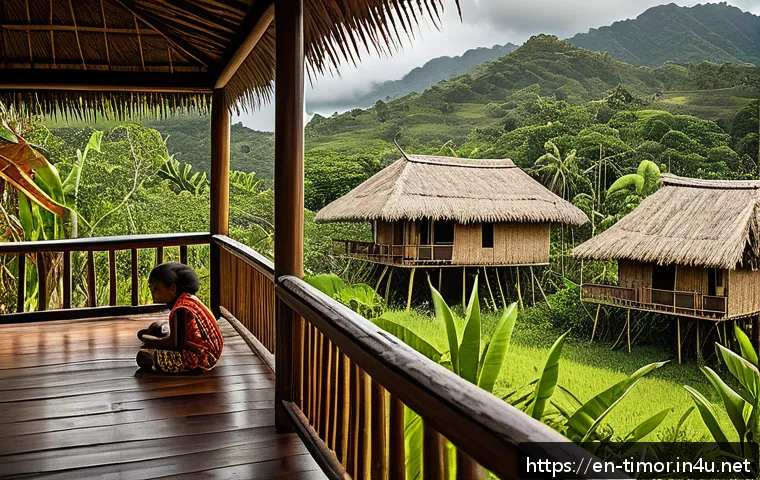
With global attention turning toward biodiversity hotspots, East Timor quietly stands out as a treasure trove of unique wildlife waiting to be discovered.
As eco-tourism gains momentum, this hidden gem offers an extraordinary glimpse into rare species found nowhere else on Earth. Whether you’re a nature lover or an adventurous traveler, exploring East Timor’s animal kingdom reveals stories of resilience and natural beauty that captivate the soul.
Join me as we uncover the fascinating creatures that make this island a vital sanctuary in today’s rapidly changing world. This journey promises not just stunning encounters but also a deeper appreciation for conservation efforts shaping the future.
Unveiling the Island’s Endemic Mammals
The Timor Deer: A Symbol of Resilience
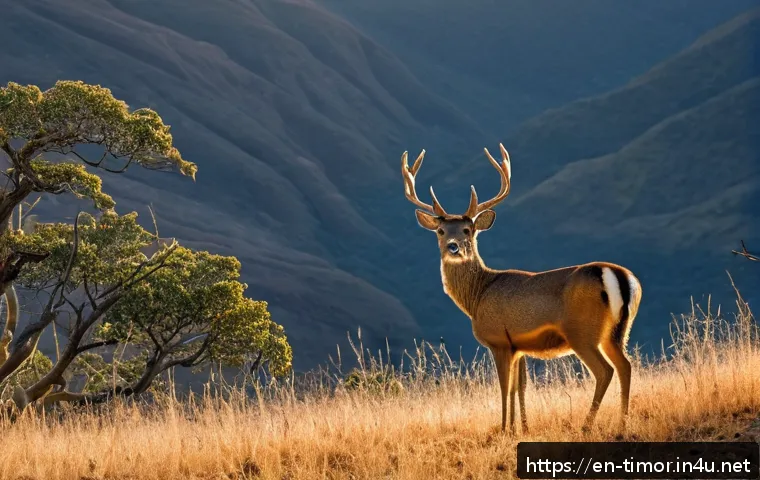
The Timor deer, a species exclusive to this island, embodies the spirit of survival amid changing habitats. Unlike more common deer elsewhere, these creatures have adapted to East Timor’s rugged terrain and seasonal droughts.
Observing them in their natural environment offers an intimate glimpse into how wildlife can thrive despite environmental pressures. From my experience trekking in the forested hills, spotting these deer feels like witnessing a rare dance of nature’s endurance.
Their cautious movements and alert eyes tell stories of generations that have dodged predators and human encroachment, making every sighting feel like a privilege.
Small Marsupials: The Hidden Night Wanderers
East Timor hosts several marsupial species rarely seen by casual visitors, mostly because they are nocturnal and shy. These little creatures play a crucial role in the island’s ecosystem, controlling insect populations and dispersing seeds.
I once joined a night tour led by local guides, and the thrill of spotting a dusky cuscus or a Timorese bandicoot was unforgettable. Their soft calls echo through the night, reminding us that the island’s biodiversity extends well beyond daylight hours.
Protecting their habitats is essential since these marsupials are vulnerable to habitat loss and introduced predators.
Unique Rodents and Their Ecological Roles
Rodents in East Timor may not look glamorous, but they form the backbone of the island’s forest ecology. Species like the Timor rat contribute to soil health through their burrowing activities and serve as prey for native birds of prey.
Encountering these small mammals during hikes can be a delightful surprise, especially when you catch a glimpse of their quick, darting movements through underbrush.
Understanding their place in the food web reveals how interconnected every species is, no matter how small or elusive.
Birds of Paradise and Other Avian Wonders
Colorful Endemics Lighting Up the Canopy
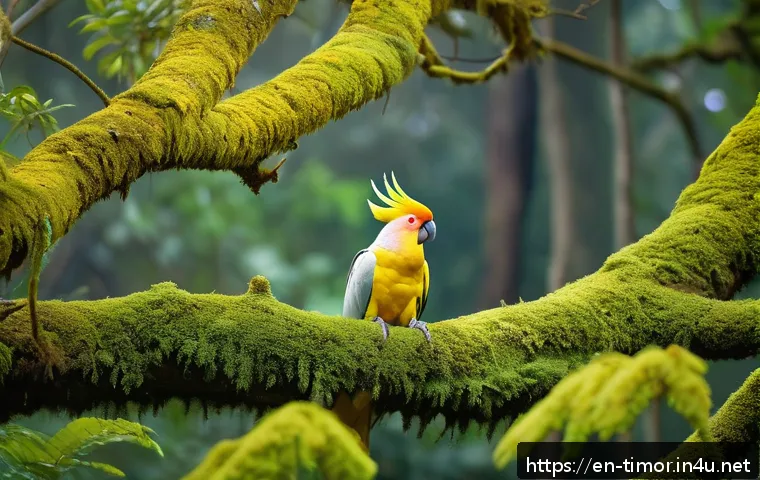
East Timor’s forests are alive with birds that seem painted by an artist’s brush. The Timor imperial pigeon, with its striking plumage, and the vibrant yellow-crested cockatoo are just a few examples that make birdwatching here a rewarding adventure.
Having spent early mornings with binoculars, I can attest to how rewarding it is to hear their calls breaking the dawn silence. These birds not only add color to the landscape but also play vital roles in seed dispersal, ensuring forest regeneration.
Raptors and Their Hunting Tactics
The island’s raptors, such as the Wallace’s hawk-eagle, command the skies with fierce precision. Watching one soar above the rugged cliffs, silently scanning for prey, is a humbling experience.
These birds are indicators of a healthy ecosystem, as their presence signals a balanced prey population. Conservation efforts targeting these raptors help preserve the broader food chain that sustains East Timor’s wildlife diversity.
Migratory Species: Visitors from Afar
East Timor’s location makes it a crucial stopover for migratory birds traveling between Asia and Australia. Each year, species like the Oriental plover and the Pacific golden plover grace the island’s wetlands and grasslands.
Birdwatchers and researchers alike eagerly anticipate these seasonal arrivals, which add dynamic shifts to the island’s bird population. Protecting their stopover habitats is vital for maintaining global migratory patterns.
Marine Life: The Underwater Treasures of East Timor
Coral Reefs as Biodiversity Hotspots
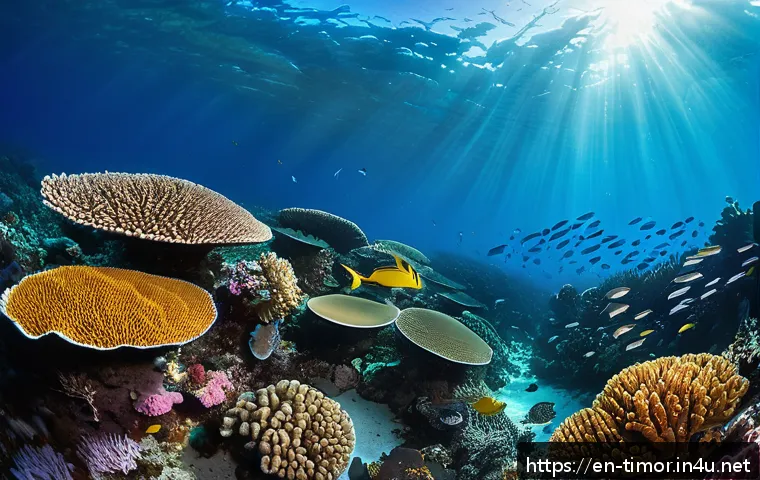
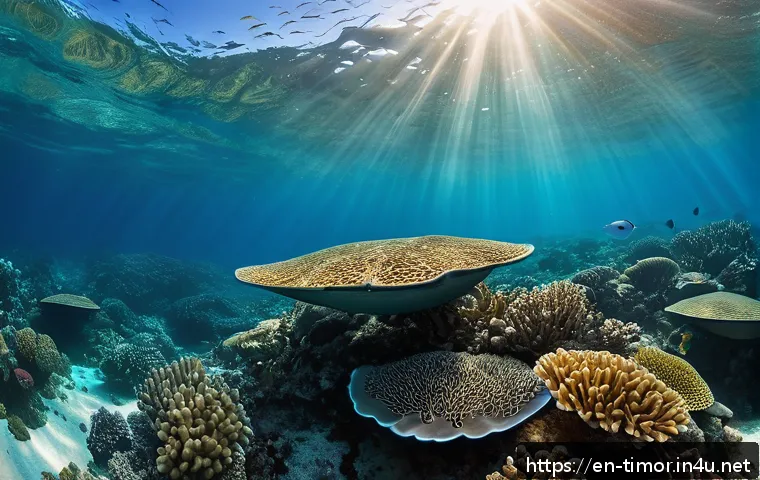
Beneath the surface of East Timor’s waters lies a vibrant world teeming with life. The coral reefs here are among the most pristine in the region, hosting countless species of fish, mollusks, and crustaceans.
Diving or snorkeling in these waters reveals kaleidoscopic schools of fish weaving through intricate coral formations. From my own dives, I’ve marveled at the sheer variety and colors—truly a living kaleidoscope.
These reefs not only support marine life but also protect coastal areas from erosion, highlighting their ecological and economic importance.
Marine Mammals and Their Seasonal Presence
Occasionally, visitors are lucky enough to glimpse dolphins and whales migrating through East Timor’s waters. These majestic creatures bring a sense of wonder and emphasize the interconnectedness of marine ecosystems.
Local fishermen often share stories of pods of spinner dolphins playing near boats, a sight that never fails to delight. Protecting these marine mammals requires coordinated efforts, including regulating fishing practices and minimizing pollution.
Endangered Sea Turtles and Nesting Sites
East Timor’s beaches serve as critical nesting grounds for endangered sea turtles, including the green and hawksbill turtles. Witnessing hatchlings make their way to the ocean is a profoundly moving experience, symbolizing hope amidst global challenges.
Conservation groups actively monitor these sites to prevent poaching and habitat disruption. Supporting these initiatives ensures that future generations can enjoy the magic of sea turtles thriving along these shores.
Reptiles and Amphibians: Masters of Adaptation
Rare Lizards and Their Camouflage Skills
The island is home to several lizard species that showcase extraordinary camouflage, blending seamlessly with the rocky and forested environments. The Timor monitor lizard, for instance, is a formidable predator yet remarkably elusive.
I recall trekking through dry forests and catching fleeting glimpses of these reptiles sunning themselves on rocks. Their presence adds an exciting dimension to the island’s biodiversity, demonstrating nature’s ingenuity in survival strategies.
Frogs with Unique Calls and Habitats
East Timor’s amphibians, particularly its frogs, contribute significantly to the island’s soundscape. Many species emit distinct calls that fill the night air, serving as both mating signals and territorial warnings.
Exploring streams and wetlands at dusk often reveals these vocal performers. Because amphibians are sensitive to environmental changes, they also serve as early warning indicators for ecosystem health, reinforcing the need for habitat preservation.
Conservation Challenges Facing Herpetofauna
Despite their adaptability, reptiles and amphibians face threats from habitat destruction and invasive species. Efforts to study and protect these creatures are ongoing but require increased local and international support.
Educational programs aimed at raising awareness about their ecological roles have begun to gain traction, highlighting how even the smallest creatures contribute to the island’s natural balance.
Insects and Invertebrates: The Unsung Heroes
Butterflies and Moths: Nature’s Flying Jewels
The vibrant butterflies and moths fluttering across East Timor’s meadows are more than just beautiful—they are essential pollinators. Species such as the Timor swallowtail butterfly are a delight for nature enthusiasts and photographers alike.
Spending time observing their flight patterns and feeding behaviors deepened my appreciation for how these insects sustain flowering plants and, by extension, the entire ecosystem.
Beetles and Their Role in Decomposition
Beetles, often overlooked, are busy recyclers in the forest floor’s nutrient cycle. Many species break down dead wood and organic matter, enriching the soil and supporting plant growth.
Encountering a variety of beetles during forest walks reminded me how life depends on the smallest players. Their presence is a subtle yet powerful testament to the complexity of East Timor’s ecological web.
Challenges in Invertebrate Conservation
Invertebrates face significant threats from pesticide use and habitat loss, yet they seldom receive the attention they deserve. Conservation strategies that include these species are crucial for maintaining ecosystem integrity.
Community-led initiatives encouraging sustainable agricultural practices show promise in balancing human needs with insect conservation.
Key Wildlife Species Overview
| Species | Habitat | Conservation Status | Unique Traits |
|---|---|---|---|
| Timor Deer | Forested Hills | Vulnerable | Adapted to rugged terrain and drought |
| Yellow-crested Cockatoo | Tropical Forests | Critically Endangered | Vibrant plumage, important seed disperser |
| Wallace’s Hawk-Eagle | Mountainous Areas | Near Threatened | Top predator, indicator of ecosystem health |
| Green Sea Turtle | Coastal Beaches | Endangered | Critical nesting species, migratory |
| Timor Monitor Lizard | Dry Forests and Rocky Areas | Least Concern | Elusive predator with camouflaging abilities |
| Timor Swallowtail Butterfly | Meadows and Forest Edges | Not Evaluated | Key pollinator with striking colors |
Community Efforts and Sustainable Tourism Impact
Local Involvement in Wildlife Protection
Communities in East Timor are increasingly engaged in protecting their natural heritage. Traditional knowledge combined with modern conservation techniques creates effective stewardship of wildlife habitats.
I’ve met local guides who passionately share stories about species they grew up with, fostering a sense of pride and responsibility. Their involvement is crucial in monitoring endangered species and preventing illegal activities, showing how people and nature can coexist harmoniously.
Eco-Tourism: A Double-Edged Sword
While eco-tourism brings much-needed economic opportunities, it also risks disturbing fragile ecosystems if not managed carefully. From my visits, I noticed that responsible operators emphasize low-impact practices, such as limiting group sizes and promoting “leave no trace” principles.
These approaches help minimize human footprint while allowing travelers to experience East Timor’s biodiversity authentically. Supporting such initiatives encourages sustainable development that benefits both wildlife and local communities.
Education and Awareness as Conservation Tools
Raising awareness among both locals and visitors plays a vital role in safeguarding East Timor’s wildlife. Educational programs in schools and community centers nurture a conservation ethic from a young age.
Interactive experiences, like wildlife tracking and habitat restoration projects, deepen understanding and empathy for the island’s unique species. These efforts, in my opinion, are the foundation for long-term success in preserving East Timor’s natural treasures.
Conclusion
Exploring East Timor’s unique wildlife reveals a rich tapestry of life that thrives against the odds. From elusive mammals to vibrant birds and underwater wonders, the island offers unforgettable encounters for nature lovers. Protecting these species and their habitats is essential to maintain this delicate balance. By supporting conservation and sustainable tourism, we help preserve East Timor’s natural heritage for generations to come.
Useful Information
1. East Timor’s endemic species are adapted to diverse and often harsh environments, making them fascinating subjects for wildlife observation.
2. Night tours led by local guides provide rare opportunities to see nocturnal marsupials and other elusive animals.
3. Coral reefs in East Timor are among the most pristine in the region, offering spectacular diving and snorkeling experiences.
4. Community-led conservation efforts play a critical role in protecting endangered species and promoting sustainable tourism.
5. Educational programs enhance awareness and foster long-term commitment to preserving the island’s biodiversity.
Key Takeaways
East Timor’s wildlife diversity depends on the delicate interplay between species and their habitats. Conservation success relies on active local participation, responsible eco-tourism, and ongoing education. Protecting this natural wealth not only benefits the environment but also supports the livelihoods and cultural heritage of the communities involved. Every visitor’s mindful actions contribute to safeguarding East Timor’s extraordinary ecosystems.
Frequently Asked Questions (FAQ) 📖
Q: What makes East Timor a unique destination for wildlife enthusiasts?
A: East Timor stands out because it hosts an incredible range of endemic species that aren’t found anywhere else in the world. Its diverse ecosystems—from lush rainforests to vibrant coral reefs—create perfect habitats for rare birds, reptiles, and marine life.
When I explored the island, I was amazed by how untouched and pristine these environments feel, offering a truly authentic encounter with nature that’s becoming rare elsewhere.
Q: How accessible is East Timor for eco-tourism and wildlife exploration?
A: While East Timor is still emerging as a popular eco-tourism spot, it’s surprisingly accessible for travelers willing to step off the beaten path. The local communities are welcoming and increasingly involved in conservation efforts, providing guided tours that not only show you the wildlife but also educate about the importance of protecting it.
From my experience, booking through local operators made the journey smoother and more meaningful, as they shared insider knowledge you won’t find in typical travel guides.
Q: What conservation efforts are in place to protect East Timor’s unique wildlife?
A: Conservation in East Timor is gaining momentum, with a focus on protecting critical habitats and endangered species. Local NGOs, supported by international partnerships, are actively working on reforestation projects, marine protection zones, and community education programs.
I noticed firsthand how these initiatives empower local people to become stewards of their environment, which is crucial for sustaining biodiversity amid development pressures.
Supporting eco-tourism here directly contributes to these ongoing efforts.