In a world where stories of independence often fade into the background, East Timor’s courageous leap towards sovereignty stands out as a powerful testament to resilience and hope.
As recent global events continue to highlight the struggles and triumphs of emerging nations, revisiting East Timor’s bold declaration offers fresh insights into the complexities of nation-building.
Join me as we uncover the lesser-known chapters behind this historic moment, exploring how determination and unity shaped a country’s fight for freedom against overwhelming odds.
Whether you’re a history buff or simply curious about global affairs, this story promises to captivate and inspire. Stay with me to dive deeper into the untold journey that redefined a nation’s destiny.
The Roots of East Timor’s Struggle for Self-Determination
Colonial Shadows and Early Resistance
East Timor’s journey toward independence is deeply entwined with its colonial past. For over four centuries, it was under Portuguese rule, a period marked by limited development and significant cultural imposition.
Unlike other colonies where infrastructure and administration were extensively developed, East Timor remained relatively isolated, which fostered a strong sense of local identity but also left the region vulnerable.
The seeds of resistance began to sprout as locals grew increasingly aware of their distinct cultural heritage and the disparities imposed by colonial governance.
This early resistance wasn’t merely political but also deeply cultural, as communities sought to preserve their languages, traditions, and social structures against the homogenizing pressures of colonial rule.
The Indonesian Invasion and International Response
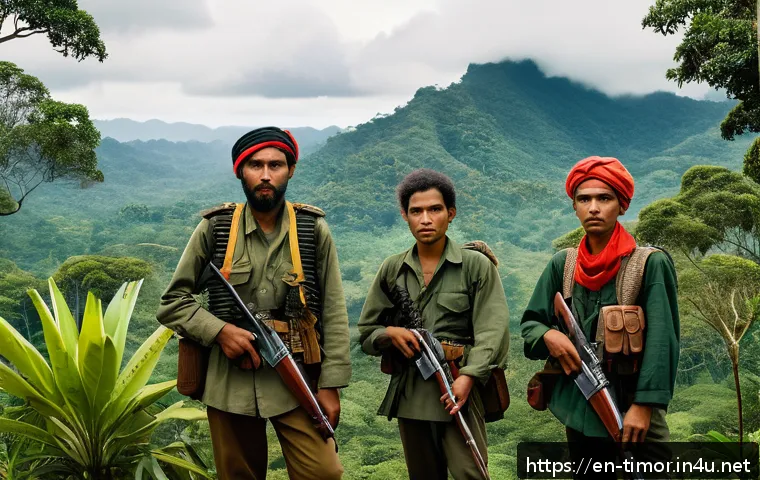
The abrupt transition from Portuguese withdrawal in 1975 created a power vacuum that Indonesia exploited by launching a full-scale invasion. This brutal military occupation was met with fierce resistance by East Timorese fighters and civilians alike, who saw the invasion as a direct assault on their right to self-determination.
The world watched with varying degrees of attention and action. While some international actors condemned the invasion, geopolitical interests often overshadowed the plight of East Timor.
The United Nations repeatedly called for respect of East Timor’s sovereignty, but enforcement was weak. This period was marked by widespread human rights abuses, forced displacements, and a steadfast East Timorese spirit that refused to be extinguished despite overwhelming odds.
Endurance Through Decades of Conflict
What stands out about East Timor’s struggle is not just the duration but the resilience displayed by its people. Guerrilla warfare, diplomatic lobbying, and grassroots activism combined to keep the cause alive.
The resistance was not confined to battlefields; diaspora communities and international solidarity movements played crucial roles in maintaining global awareness.
The prolonged conflict forged a strong national identity centered on freedom and justice. It’s remarkable how, even after years of suffering, East Timorese leaders and citizens managed to hold onto hope and unity, envisioning a future where their children could live without fear or oppression.
Unity as the Backbone of Nation-Building
Bridging Cultural and Linguistic Divides
East Timor is a mosaic of diverse ethnic groups and languages, which posed significant challenges for forging a unified national identity. The leadership understood early on that independence meant more than just political separation; it required integrating these diverse communities into a cohesive society.
Efforts were made to promote Tetum and Portuguese as official languages, symbolizing both indigenous roots and historical ties. Community dialogues and cultural exchanges became essential tools in breaking down barriers and fostering mutual respect.
This process was neither quick nor easy, but it was crucial in preventing the fractures that often plague newly independent states.
Women’s Roles in the Liberation and Reconstruction
Often overlooked in many independence movements, women in East Timor played pivotal roles both during the conflict and in the post-independence era. Women were fighters, messengers, and caretakers, balancing the demands of war with the needs of families and communities.
Their participation extended beyond the battlefield to peace negotiations and rebuilding efforts. Recognizing their contributions has been vital for establishing inclusive governance and social policies.
Today, women continue to shape East Timor’s political landscape, advocating for human rights, education, and economic empowerment, underscoring how nation-building is a collective endeavor.
The Power of Grassroots Movements
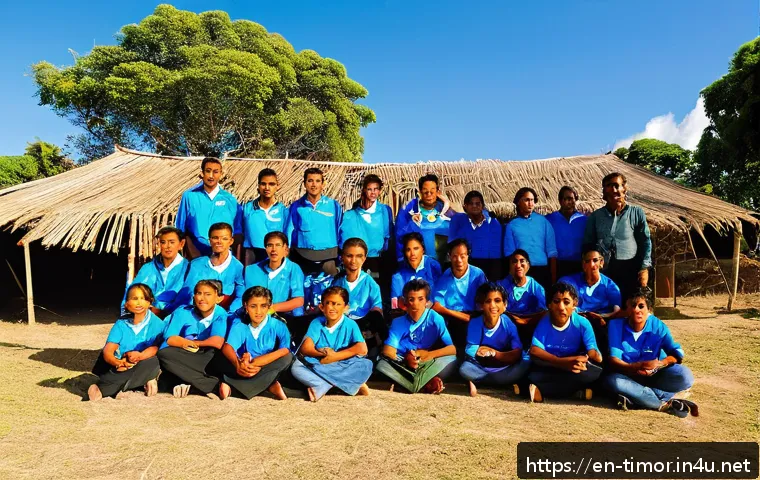
Beyond the formal political leadership, grassroots activism formed the bedrock of East Timor’s independence movement. Local communities organized protests, disseminated information, and provided support networks for families affected by the conflict.
These efforts helped sustain morale and ensured that the struggle remained rooted in the lived experiences of ordinary people. The strength of these movements lay in their ability to mobilize broad segments of society, transcending class and geographic divides.
This widespread engagement was instrumental in legitimizing the independence cause both domestically and internationally.
International Solidarity and Its Complex Impact
Global Advocacy Networks and Media Coverage
One of the turning points in East Timor’s independence story was the rise of international advocacy groups that brought global attention to the crisis.
These organizations worked tirelessly to expose human rights violations, lobby governments, and amplify East Timorese voices. Media coverage, especially through documentaries and independent journalism, played a crucial role in educating the public worldwide.
This international spotlight created pressure on occupying forces and their allies, although progress was often slow and fraught with setbacks. The solidarity shown by activists across continents exemplifies how interconnected struggles for freedom can be.
Diplomatic Challenges and Strategic Interests
Navigating the international political landscape was a delicate balancing act. Many powerful countries had strategic alliances and economic interests that complicated their stance on East Timor.
For example, regional neighbors and global powers often prioritized stability or economic benefits over immediate intervention. This realpolitik meant that East Timor’s independence was delayed and came at a high human cost.
Yet, diplomatic persistence eventually paid off, demonstrating the importance of sustained advocacy combined with pragmatic negotiation. The complexity of these international relations highlights how sovereignty is rarely achieved in isolation.
UN’s Role in Facilitating Transition
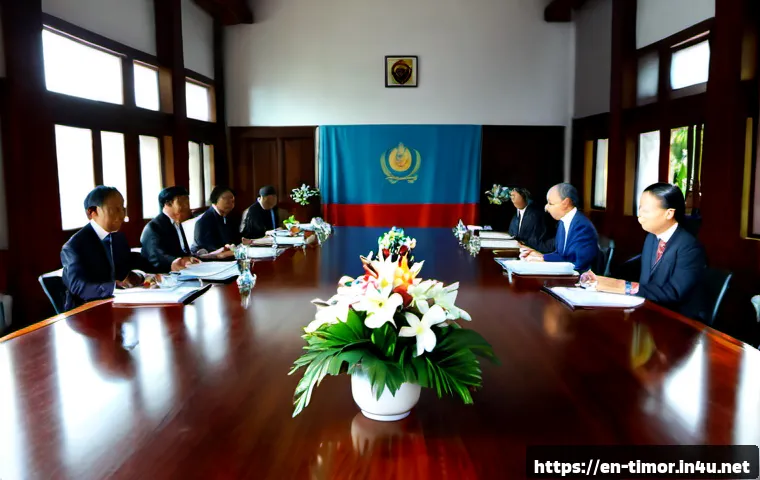
The United Nations played a decisive role in East Timor’s path to recognized independence. After the 1999 referendum, which overwhelmingly favored independence, the UN oversaw a transitional administration to stabilize the region and build governmental institutions.
This international presence was critical in maintaining peace and order during a fragile period. The UN’s involvement also helped attract international aid and expertise necessary for reconstruction.
While not without criticism, this intervention provided a framework that allowed East Timor to move forward toward full sovereignty with a foundation for democratic governance.
Economic and Social Challenges Post-Independence
Building Infrastructure from Scratch
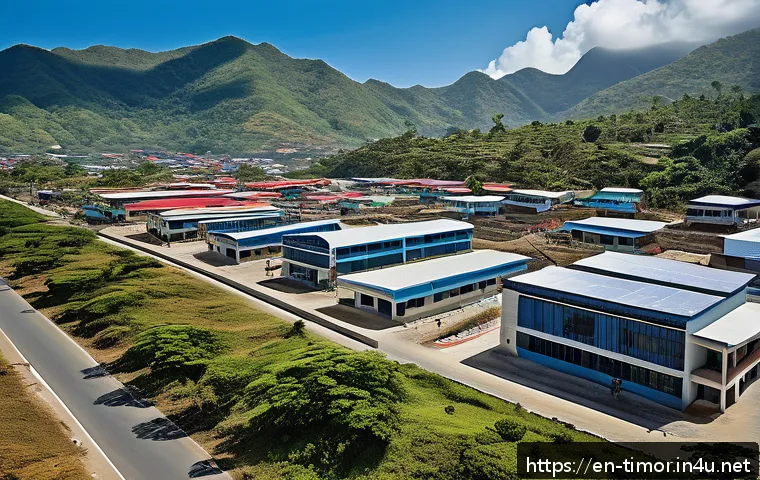
Emerging from decades of conflict, East Timor faced the monumental task of constructing basic infrastructure. Roads, schools, hospitals, and government buildings had been destroyed or neglected.
The challenge was compounded by limited financial resources and a shortage of skilled professionals. International aid played a crucial role in jumpstarting development projects, but sustainable progress required local capacity building.
The process was slow and sometimes frustrating, but each new school or clinic symbolized hope and resilience. From firsthand accounts, it’s clear that the pride East Timorese take in these achievements is immense, reflecting a collective commitment to rebuilding their nation.
Addressing Poverty and Unemployment
One of the most pressing issues post-independence has been tackling widespread poverty and high unemployment rates. Many families rely on subsistence farming, and economic diversification remains limited.
Efforts to stimulate growth have focused on agriculture, tourism, and oil revenues from offshore reserves. However, ensuring equitable distribution of wealth continues to be a challenge.
Programs aimed at vocational training and entrepreneurship have shown promise, empowering especially young people and women to contribute economically.
This ongoing struggle highlights how independence is not just a political milestone but a continuous journey toward social justice and prosperity.
Education and Health System Development
Investing in human capital has been a priority for East Timor’s government and international partners. Education reforms aim to improve literacy rates and provide skills needed for a modern economy.
Similarly, rebuilding the health system has involved training medical personnel and expanding access to care in rural areas. These sectors are fundamental to improving quality of life and breaking cycles of poverty.
Personal stories from educators and health workers reveal a deep sense of purpose and optimism, despite resource constraints. Their dedication underscores the vital link between national sovereignty and the well-being of its people.
Lessons Learned from East Timor’s Independence Journey
The Importance of Resilience and Patience
East Timor’s path to independence teaches us that resilience in the face of adversity is paramount. The decades-long struggle, filled with setbacks and sacrifices, required patience and unwavering commitment.
This story is a reminder that freedom is rarely quick or easy, but the rewards of sustained effort can reshape a nation’s future. For those studying nation-building, East Timor exemplifies how perseverance and hope can overcome even the most daunting challenges.
Community Engagement as a Catalyst for Change
Another key lesson is the power of grassroots involvement. Top-down approaches alone cannot build lasting sovereignty without the active participation of the people.
East Timor’s experience shows that mobilizing communities, respecting local cultures, and fostering inclusive dialogue are essential components of successful nation-building.
This participatory model can serve as inspiration for other emerging nations facing similar hurdles.
The Role of the International Community
Finally, East Timor’s story highlights both the potential and limitations of international support. While global solidarity and UN intervention were crucial, long-term success depended on domestic leadership and unity.
It illustrates the delicate balance between external assistance and internal agency. The international community’s role is to support, not supplant, the aspirations of people striving for independence.
| Aspect | Challenges | Key Actions | Outcomes |
|---|---|---|---|
| Colonial Legacy | Limited infrastructure, cultural imposition | Preservation of local identity, early resistance | Strong cultural foundation for independence |
| Occupation | Military invasion, human rights abuses | Guerrilla warfare, international advocacy | Maintained resistance and global awareness |
| Unity | Ethnic and linguistic diversity | Language promotion, community dialogues | National cohesion and identity |
| International Support | Geopolitical interests, delayed intervention | Advocacy networks, UN transitional authority | Peaceful transition to independence |
| Post-Independence | Poverty, unemployment, infrastructure needs | Development projects, education, health reforms | Gradual social and economic rebuilding |
Continuing the Legacy: East Timor Today and Tomorrow
Strengthening Democratic Institutions
Since independence, East Timor has made impressive strides in establishing democratic governance. Elections have been generally free and fair, political pluralism is encouraged, and civil society organizations are increasingly active.
However, challenges remain in consolidating rule of law and combating corruption. The experience of nation-building has fostered a political culture that values participation and accountability, yet vigilance is necessary to sustain these gains.
Witnessing East Timor’s democratic evolution offers valuable insights into the complexities of nurturing democracy in a young state.
Economic Diversification and Sustainable Development
Looking ahead, East Timor is focused on reducing reliance on oil revenues by developing agriculture, fisheries, and tourism. Sustainable development is a priority, given the country’s rich natural environment and cultural heritage.
Initiatives promoting eco-tourism and renewable energy have gained momentum, reflecting a forward-thinking approach. The government’s efforts to engage youth and women in economic activities are particularly encouraging, as these groups represent the future workforce and innovation drivers.
This balance between economic growth and environmental stewardship is critical for East Timor’s long-term prosperity.
Promoting Regional Cooperation
East Timor’s geographic location in Southeast Asia offers opportunities for regional integration and collaboration. The country has sought to build strong ties with neighboring nations through trade, security partnerships, and cultural exchanges.
These relationships help stabilize the region and open markets for East Timorese products. By participating in regional organizations, East Timor gains a platform to amplify its voice and contribute to collective progress.
This outward-looking strategy complements domestic efforts and strengthens the country’s position on the global stage.
Closing Thoughts
East Timor’s remarkable journey toward independence is a powerful testament to resilience, unity, and hope. Despite immense challenges, the nation’s commitment to preserving its identity and building a democratic future continues to inspire. The story of East Timor reminds us that true freedom demands patience, collective effort, and unwavering determination.
Useful Information to Remember
1. East Timor’s struggle was deeply rooted in preserving cultural identity against colonial and occupation forces.
2. Women played essential roles throughout the independence movement and continue to influence the nation’s development.
3. International advocacy and UN involvement were crucial, yet domestic unity ultimately drove lasting change.
4. Post-independence challenges like poverty and infrastructure rebuilding require ongoing local and global cooperation.
5. Future growth focuses on sustainable development, economic diversification, and regional collaboration.
Key Takeaways
East Timor’s independence story highlights the importance of resilience in overcoming adversity, the power of grassroots participation in nation-building, and the delicate balance between international support and internal leadership. The nation’s experience underscores that sovereignty is not simply a political milestone but an ongoing process of social, economic, and democratic development.
Frequently Asked Questions (FAQ) 📖
Q: What were the main challenges East Timor faced in its fight for independence?
A: East Timor’s journey to independence was marked by intense challenges, including decades of foreign occupation, violence, and political instability. After Portugal’s withdrawal in 1975, Indonesia invaded and occupied the territory, leading to widespread human rights abuses and international neglect.
The people of East Timor faced not only military oppression but also the struggle to maintain their cultural identity and unity amid external pressures.
Despite limited resources and global political complexities, their unwavering determination and grassroots resistance movements kept the hope for sovereignty alive until full independence was finally achieved in 2002.
Q: How did unity among East Timorese contribute to their successful independence?
A: Unity played a critical role in East Timor’s independence movement. Diverse groups across the island, including different ethnic and religious communities, set aside their differences to focus on a common goal: freedom.
This solidarity was evident through coordinated resistance efforts, both peaceful and armed, which garnered international attention and support. The shared vision of self-determination helped sustain morale during years of hardship, and the collective voice of the East Timorese people became impossible to ignore on the global stage, ultimately influencing key diplomatic interventions.
Q: Why is East Timor’s independence story still relevant in today’s global context?
A: East Timor’s story remains deeply relevant because it highlights the ongoing struggles many emerging nations face in asserting sovereignty and building stable governance.
In a world where geopolitical interests often overshadow human rights, East Timor exemplifies how resilience, international solidarity, and grassroots activism can overcome seemingly insurmountable odds.
Its experience offers valuable lessons on nation-building, the importance of unity, and the power of persistent hope — themes that resonate with current global efforts to support self-determination and peaceful transitions in conflict zones.