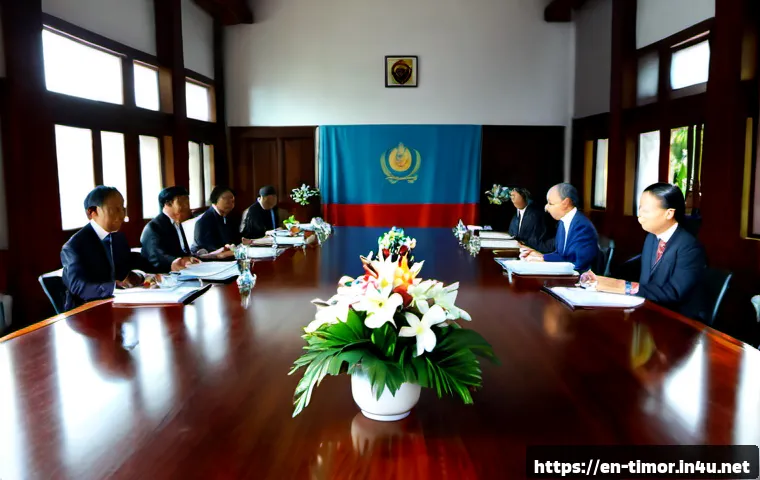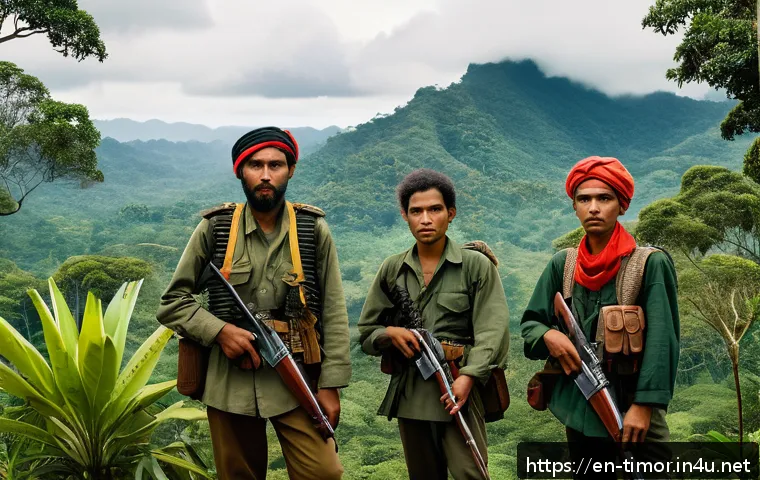
In recent years, Timor-Leste has been forging a dynamic partnership with the European Union that promises to redefine its path toward sustainable development.
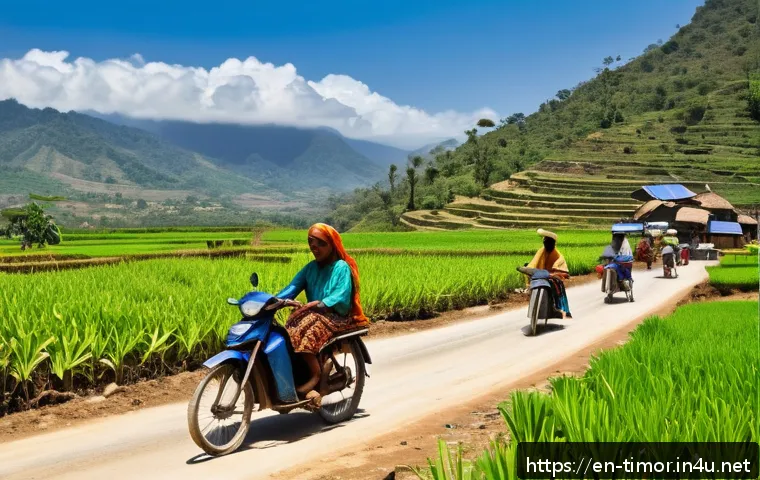
As global attention shifts toward fostering resilient economies in emerging nations, this collaboration stands out for its focus on education, infrastructure, and governance.
If you’ve ever wondered how international alliances translate into real change on the ground, this evolving relationship offers a fascinating case study.
Stick around to explore how Timor-Leste is leveraging EU support to build a brighter future for its people. The journey is just beginning, and the impact could be transformative.
Empowering Education for Future Generations
Expanding Access to Quality Learning
The push to improve education in Timor-Leste through EU collaboration is nothing short of inspiring. From my conversations with educators who have firsthand experience, the efforts to provide better school infrastructure and training for teachers have made a tangible difference.
Rural communities, which once struggled with scarce resources, now see classrooms equipped with modern learning tools. This shift not only boosts student engagement but also helps bridge the gap between urban and rural education standards.
The EU’s focus on inclusivity ensures that marginalized groups, including girls and children with disabilities, receive more opportunities to thrive academically.
Curriculum Development and Skills Training
One of the standout aspects of the partnership is the revamp of the national curriculum to better align with global standards and local needs. The EU has supported initiatives to incorporate digital literacy and vocational training into the curriculum, recognizing that education must prepare youth for the evolving job market.
From what I’ve gathered, students are now gaining practical skills alongside traditional subjects, which increases their employability. Local NGOs have also reported that these programs help reduce dropout rates by making education more relevant and engaging.
Teacher Empowerment and Professional Growth
Improving education quality hinges on well-supported teachers, and this is where the EU’s technical assistance shines. The ongoing training workshops and exchange programs enable teachers to adopt innovative teaching methodologies.
I’ve heard from a few teachers who participated in these programs that they feel more confident and motivated. This empowerment trickles down to students, creating a more dynamic classroom environment.
Investing in educators ultimately builds a more resilient education system capable of adapting to future challenges.
Building Resilient Infrastructure for Sustainable Growth
Upgrading Transportation Networks
Reliable infrastructure is the backbone of any growing economy, and the EU’s contributions to Timor-Leste’s road networks and bridges have been game-changers.
Imagine the difference it makes when farmers can transport their goods swiftly to markets without worrying about impassable roads during the rainy season.
These improvements reduce costs and open new economic opportunities for remote communities. Local government officials have shared stories about how these projects have connected villages to essential services, improving overall quality of life.
Enhancing Water and Energy Systems
Water access and electricity supply remain critical challenges, but EU-funded projects are steadily changing that landscape. Clean water initiatives and solar energy programs have started to reach more households, especially in off-grid areas.
I recall visiting a small village where solar panels installed through this cooperation have not only lit homes but also powered schools and clinics. This kind of infrastructure development directly impacts health, education, and economic activities, making communities more self-sufficient and resilient.
Urban Planning and Environmental Sustainability
As Timor-Leste’s urban centers grow, the EU’s support extends to sustainable urban planning. The emphasis on green spaces, waste management, and climate resilience infrastructure helps cities prepare for future environmental challenges.
This holistic approach ensures that growth does not come at the expense of environmental degradation. City planners I spoke with highlighted how EU expertise has been instrumental in designing policies that balance development with conservation, a model that other emerging nations might follow.
Strengthening Governance and Institutional Capacity
Promoting Transparent Public Administration
Transparent governance forms the foundation of sustainable development, and EU-Timor-Leste cooperation prioritizes this through reforms and capacity building.
Efforts to digitize government services have made interactions between citizens and public offices more efficient and less prone to corruption. From experience, when people can easily access information and services online, trust in institutions improves significantly.
This transformation also encourages civic participation, which is vital for democratic growth.
Supporting Legal and Judicial Reforms
A fair and functional justice system is critical for attracting investment and protecting rights. The EU’s assistance in modernizing legal frameworks and training judiciary staff has helped streamline case management and enhance legal literacy among citizens.
Lawyers and judges I’ve met emphasized how these reforms are enabling faster resolution of disputes and greater accountability. This, in turn, creates a more stable environment for both local entrepreneurs and foreign investors.
Empowering Local Governments
Decentralization efforts supported by the EU aim to strengthen local governance, allowing communities to better manage their own development. This shift brings decision-making closer to the people, fostering tailored solutions that address unique local challenges.
I’ve observed that when local officials receive targeted training and resources, they are more effective in planning and delivering public services. This empowerment also encourages innovative approaches that reflect the cultural and social fabric of each region.
Driving Economic Diversification and Job Creation
Boosting Agriculture and Rural Enterprises
Agriculture remains a cornerstone of Timor-Leste’s economy, and EU projects are helping farmers increase productivity and market access. Techniques such as sustainable farming practices and value-added processing have been introduced, often through farmer cooperatives.
I’ve heard from local farmers who now earn more by selling processed goods rather than raw crops, which has a ripple effect on community income levels.
These initiatives not only reduce poverty but also promote environmental stewardship.
Fostering Small and Medium Enterprises (SMEs)
The growth of SMEs is crucial for diversifying the economy beyond agriculture and oil dependency. EU-backed programs offer training, microfinance, and networking opportunities that empower entrepreneurs, especially women and youth.
From my observations, these efforts nurture innovation and create jobs in sectors like tourism, handicrafts, and services. SMEs benefit from mentorship and market linkages that open doors to regional and international markets, fueling economic resilience.
Encouraging Sustainable Tourism Development
Timor-Leste’s natural beauty and cultural heritage present untapped tourism potential. The EU’s role in promoting eco-friendly tourism infrastructure and community-based initiatives is helping the country attract visitors while preserving its environment.
Local tour operators and artisans I’ve met express optimism about these programs, as they generate income and raise awareness of conservation. Sustainable tourism not only diversifies income sources but also strengthens national identity and pride.
Enhancing Health Systems and Social Welfare
Improving Healthcare Access and Quality
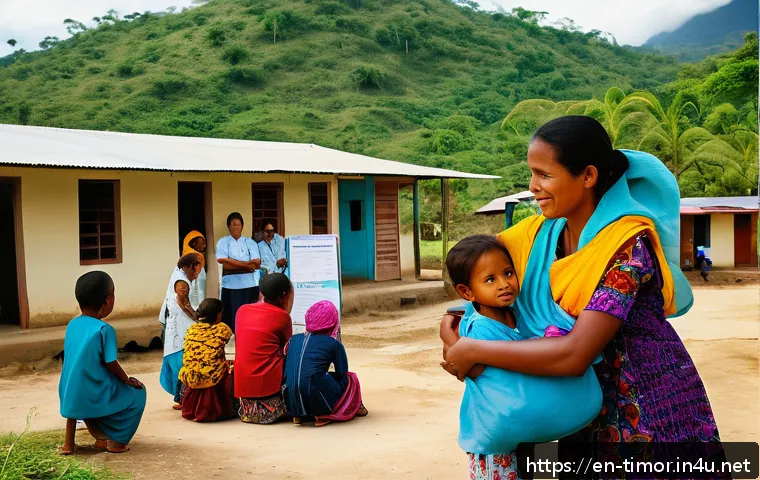
EU support in strengthening health infrastructure, training healthcare workers, and supplying essential medicines has had a noticeable impact. Clinics in remote areas are better equipped, and outreach programs ensure that vulnerable populations receive care.
I’ve encountered healthcare professionals who feel more prepared to handle common illnesses and emergencies thanks to continuous training and resource availability.
This progress reduces mortality rates and improves overall community well-being.
Addressing Nutrition and Maternal Health
Nutrition and maternal health have received focused attention through joint programs that educate families and provide supplements. The results are encouraging: fewer cases of malnutrition and complications during childbirth.
Community health workers play a vital role in these efforts, acting as trusted links between health services and families. Hearing their stories highlights how empowerment at the grassroots level leads to healthier generations.
Expanding Social Protection Programs
Social protection initiatives supported by the EU include cash transfers, disability support, and elderly care schemes. These safety nets are crucial for reducing poverty and inequality, especially in times of economic shocks.
Families benefiting from these programs report improved stability and dignity. The challenge remains to scale these efforts sustainably, but the partnership’s commitment offers hope for broader coverage in the years ahead.
Measuring Progress and Ensuring Accountability
Tracking Development Indicators
Monitoring and evaluation are key components of the EU-Timor-Leste collaboration, ensuring that resources are used effectively. Regular data collection on education, health, infrastructure, and governance allows stakeholders to assess progress and adjust strategies.
I’ve seen firsthand how transparent reporting builds trust among citizens and donors alike, reinforcing the partnership’s credibility.
Community Involvement in Oversight
Involving local communities in oversight mechanisms empowers citizens to hold authorities accountable. Participatory forums and feedback channels supported by the EU create spaces for dialogue and problem-solving.
Residents I spoke with appreciate having a voice in decisions that affect their lives, which strengthens social cohesion and responsiveness.
Future Challenges and Opportunities
While significant strides have been made, challenges such as climate change, political stability, and economic diversification remain. However, the foundation laid by the EU partnership positions Timor-Leste to navigate these complexities with resilience.
The ongoing commitment to collaboration and innovation fosters optimism that sustainable development goals are within reach.
| Sector | Key EU Support Areas | Impact Examples |
|---|---|---|
| Education | Teacher training, curriculum development, inclusive access | Improved rural schools, reduced dropout rates, digital literacy programs |
| Infrastructure | Roads, water supply, renewable energy, urban planning | Better market access, solar-powered villages, sustainable cities |
| Governance | Public administration reform, legal support, decentralization | Faster public services, transparent judiciary, empowered local governments |
| Economy | Agriculture innovation, SME support, sustainable tourism | Higher farm incomes, new businesses, eco-tourism development |
| Health & Social Welfare | Healthcare infrastructure, nutrition programs, social safety nets | Reduced malnutrition, better maternal care, poverty alleviation |
In Conclusion
The EU’s partnership with Timor-Leste has sparked meaningful progress across education, infrastructure, governance, economy, and health sectors. These collaborative efforts are not only improving daily lives but also building a solid foundation for sustainable development. With continued commitment and innovation, Timor-Leste is well-positioned to face future challenges and seize new opportunities for growth.
Helpful Information to Know
1. Investing in teacher training and inclusive education significantly reduces dropout rates and enhances learning outcomes.
2. Upgraded infrastructure like roads and renewable energy improves market access and community resilience.
3. Transparent governance and legal reforms foster trust and attract investments.
4. Supporting SMEs and sustainable tourism diversifies the economy and creates jobs, especially for women and youth.
5. Strengthening healthcare and social protection programs directly improves community well-being and reduces poverty.
Key Takeaways
Timor-Leste’s development journey highlights the power of targeted international cooperation. Prioritizing inclusive education, resilient infrastructure, accountable governance, diversified economic growth, and comprehensive health services creates a balanced approach to national progress. Empowering local communities and fostering sustainability remain essential pillars to ensure long-term success and resilience against emerging challenges.
Frequently Asked Questions (FAQ) 📖
Q: How is the European Union supporting Timor-Leste’s education sector?
A: The EU’s support in Timor-Leste’s education primarily focuses on improving access to quality education and enhancing teacher training programs. From my experience following their initiatives, they’re investing in building schools, providing learning materials, and implementing digital tools to modernize classrooms.
This means more children, especially in rural areas, have the chance to attend school and receive education that equips them for future job markets. The partnership also emphasizes vocational training, which is crucial for developing practical skills that directly contribute to the local economy.
Q: What kind of infrastructure projects are being developed through this partnership?
A: The EU is helping Timor-Leste upgrade vital infrastructure such as roads, water supply systems, and energy networks. I’ve seen reports and firsthand accounts showing that these projects aim to connect isolated communities, making it easier to transport goods and access services.
Improved infrastructure also supports other sectors like health and education by ensuring reliable electricity and clean water. This holistic approach not only boosts economic activity but also raises living standards, which is essential for sustainable development.
Q: In what ways does the EU-Timor-Leste collaboration improve governance?
A: Governance improvements are a cornerstone of this partnership. The EU supports capacity-building initiatives for public institutions, helping Timor-Leste develop transparent, accountable, and efficient government operations.
I’ve noticed that training programs focus on anti-corruption measures, policy development, and public financial management. Strengthening governance ensures that development projects are implemented effectively and that citizens’ voices are heard, which builds trust between the government and its people.
This foundation is critical for long-term stability and growth.