When I first considered studying abroad in East Timor, my initial thought wasn’t about the pristine beaches or the rugged, lush mountains, but a genuine sense of curiosity mixed with a dash of apprehension.
It felt like stepping completely off the well-trodden path, a stark contrast to the usual European or North American academic hubs. What truly struck me upon arrival wasn’t just the breathtaking natural beauty, but the incredible resilience and warmth of the Timorese people themselves, their spirit infectious.
This isn’t your typical study abroad experience; it’s an immersive journey into a vibrant, rapidly developing nation. You quickly realize that East Timor is more than just stunning landscapes; it’s a country actively shaping its future, grappling with challenges like economic diversification, ensuring sustainable growth, and addressing the impacts of climate change, all while preserving its unique cultural tapestry.
For students, this presents an unparalleled opportunity to engage with real-world development, peacebuilding initiatives, or even niche environmental studies in a truly unique setting, far from academic echo chambers.
The future here is being built with determination, and being a part of that, even as a student, offers insights you simply can’t get anywhere else. It’s a chance to witness history in the making and contribute to a sustainable future, paying in US dollars, just like back home, but feeling worlds away.
Curious to discover what this extraordinary journey truly entails? Let’s explore it in detail below.
Unveiling the Academic Landscape: Beyond the Conventional
Studying in East Timor immediately shatters any preconceived notions one might have about traditional university settings. My experience, from the moment I stepped onto the campus, was one of profound immersion rather than mere observation.
You quickly realize that the academic environment here is less about sprawling, modern campuses and more about a deeply integrated learning experience within the community.
It’s an arena where theoretical knowledge frequently converges with real-world applications, often directly addressing the nation’s ongoing development challenges.
For instance, I found myself participating in discussions about sustainable agriculture that involved local farmers, or urban planning workshops where we walked the very streets being debated.
This hands-on approach, facilitated by passionate local academics and international experts, creates a vibrant intellectual atmosphere unlike any I’d encountered.
The professors, many of whom have lived through the nation’s tumultuous history, bring a unique perspective that enriches every lecture, transforming them into lessons not just from textbooks, but from life itself.
It’s a dynamic learning curve, pushing you to think critically about global issues from a uniquely Timorese lens.
- Navigating Unique Research Opportunities
The true academic gem of East Timor lies in its unparalleled research opportunities. Forget about abstract case studies; here, you’re looking at live, evolving scenarios.
My personal journey involved exploring the impact of microfinance on rural communities, which led me to remote villages where I conducted interviews and observed economic activities firsthand.
This wasn’t merely data collection; it was a deep dive into the lives and aspirations of people, offering insights that no library could ever provide.
Whether your focus is on public health, environmental conservation, post-conflict reconciliation, or even emerging digital economies, East Timor offers a virgin field of study.
The access to primary sources, the willingness of local communities to share their stories, and the pressing need for innovative solutions make it an incredibly fertile ground for impactful research.
You’re not just writing a paper; you’re contributing to a nation’s narrative, feeling the weight and privilege of that responsibility. The sheer novelty of the data you can collect, combined with the urgent relevance of the topics, makes for a truly compelling academic pursuit that stands out on any resume.
- Embracing a Different Pedagogical Approach
The pedagogical style, while perhaps less formal than what many Western students are accustomed to, emphasizes active participation and critical dialogue.
There’s a strong emphasis on group work and community engagement, reflecting the communal spirit of Timorese society. I initially found this challenging, as my prior education often favored individual assignments.
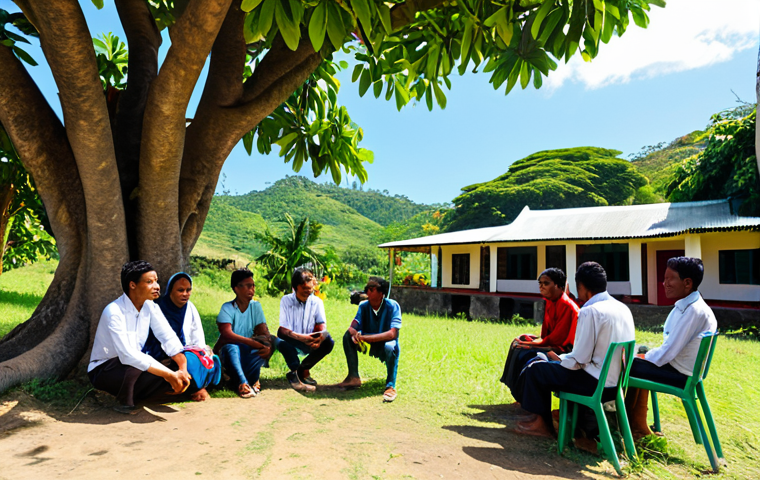
However, I quickly learned to appreciate the collaborative spirit, which fostered deeper understanding and problem-solving skills. Debates were lively, often held under the shade of a tree or in open-air classrooms, with students from diverse backgrounds bringing their unique perspectives to the table.
This less rigid structure paradoxically encouraged more profound learning, forcing me to adapt my study habits and embrace a more flexible, inquisitive mindset.
It taught me invaluable lessons about adaptability, cross-cultural communication, and the power of collective intellect, shaping not just my academic abilities but my entire approach to learning.
Navigating Daily Life: Practicalities and Unexpected Charms
Adjusting to daily life in Dili, East Timor’s capital, was an adventure in itself, a delightful blend of the familiar and the utterly new. One of the first things that struck me was the vibrant street life, the constant hum of motorbikes, the aroma of street food, and the easy smiles of the locals.
Initially, securing accommodation felt a bit daunting, but I quickly discovered that word-of-mouth and local connections were far more effective than online searches.
I ended up in a shared house with other international students and a local family, which proved to be an invaluable cultural exchange. The cost of living, especially for essentials like fresh produce from the market, was surprisingly affordable, allowing my US dollar budget to stretch further than anticipated.
Transportation predominantly relies on microlets (shared minibuses) or ojeks (motorcycle taxis), which, while initially intimidating, quickly became part of the daily rhythm, offering an authentic glimpse into local commutes and often leading to unexpected conversations with fellow passengers.
This immersion felt like a continuous learning experience, where every practical step, from grocery shopping to catching a ride, became a lesson in adaptability and cultural nuance.
- Daily Rhythms and Essential Services
My routine quickly settled into a comforting rhythm. Mornings often started with a trip to the local market for fresh fruit and coffee, followed by classes or research work.
Afternoons might involve studying at a local cafe or participating in community activities. Internet access, while not always as fast as back home, was generally reliable enough for academic work and staying connected with family.
Healthcare facilities are developing, and while serious medical emergencies often require evacuation, for minor ailments, local clinics and pharmacies are available.
I always made sure to have comprehensive travel insurance, just in case. The simplicity of daily life was refreshing; the emphasis shifted from material comforts to human connections and experiences.
I learned to appreciate the small things: a perfectly ripe mango, the sound of children playing, the communal meals shared with new friends. This pared-down existence allowed for a deeper appreciation of my surroundings and the people in them.
- Embracing Local Cuisine and Social Etiquette
One of the most enjoyable aspects of daily life was exploring Timorese cuisine. While less globally known, it’s hearty and flavorful, often incorporating rice, fresh fish, and local vegetables, frequently spiced with chili and ginger.
My personal favorite became “feijoada,” a delicious slow-cooked bean stew, often with meat, reminiscent of Portuguese influences. Eating often involves sharing, a fundamental aspect of Timorese hospitality.
Understanding and practicing basic social etiquette, like greeting elders respectfully or accepting food when offered, went a long way in building connections.
I noticed that simple gestures of respect, like learning a few Tetum phrases – “Bondia” (good morning) or “Obrigado” (thank you) – opened doors to genuine interactions and made me feel more integrated into the community.
It’s these subtle yet profound interactions that truly define the immersive nature of studying here.
Deep Dive into Timorese Culture: More Than Just History
The cultural tapestry of East Timor is incredibly rich and vibrant, deeply influenced by its indigenous traditions, Portuguese colonial past, and Indonesian occupation.
It’s a culture of profound resilience and warmth, which I felt immediately upon arrival. What struck me most was the Timorese people’s willingness to share their stories, their history, and their aspirations.
This isn’t a culture that exists in museums; it’s alive in the daily interactions, the family gatherings, the traditional ceremonies, and the expressive arts.
From the intricate patterns of the “Tais” (traditional woven fabric), each telling a story of a region or family, to the poignant melodies of traditional music, every aspect speaks volumes about a nation that has endured much but never lost its spirit.
I found myself drawn into conversations that spanned generations, hearing firsthand accounts that brought history books to life, giving me a profound understanding of their enduring spirit and the importance of community (“Uma Lulik” or sacred house traditions).
- Festivals, Community, and Local Customs
Participating in local festivals and community events was an absolute highlight of my cultural immersion. From the boisterous celebrations of independence day to more intimate village ceremonies, each event offered a window into the heart of Timorese life.
I particularly cherished the experience of being invited to a local “adat” ceremony, a traditional custom often involving community gatherings and specific rituals.
These events are not just spectacles; they are deeply meaningful expressions of identity and continuity, reinforcing communal bonds. I learned that showing respect for elders, using appropriate greetings, and participating in communal meals (often eaten sitting on mats on the floor) are crucial aspects of social interaction.
The concept of “malae” (foreigner) is acknowledged, but always with a welcoming curiosity, not exclusion. It’s a society where human connection truly reigns supreme, and I quickly discovered that the best way to understand the culture was simply to be present, listen, and engage with an open heart.
- Language and Communication Beyond Words
- Language and Communication Beyond Words
While Tetum is the official language alongside Portuguese, and Indonesian is widely understood, I quickly realized that much of the communication happens beyond words.
The warmth in a smile, the shared laughter over a simple meal, or the patient guidance when I was lost – these were the universal languages that truly connected me with the local people.
Learning basic Tetum phrases, however, was incredibly rewarding and showed my respect for their culture. Even a simple “Bondia” (good morning) or “Obrigado barak” (thank you very much) elicited genuine smiles and opened doors to deeper interactions.
Many younger Timorese are also learning English, especially in Dili, which often bridged the communication gap during more complex discussions. The emphasis on non-verbal cues and genuine presence taught me a valuable lesson in communication that transcends linguistic barriers, fostering connections that felt incredibly authentic.
Embracing Challenges and Cultivating Resilience
My journey in East Timor wasn’t without its moments of challenge, but it was precisely these moments that fostered incredible personal growth and resilience.
Stepping outside my comfort zone, navigating a new environment where not everything operates on familiar schedules or systems, taught me invaluable lessons in adaptability.
There were times the electricity would flicker, or water pressure would drop, or a microlet would take an unexpectedly long route. Instead of frustration, I learned to embrace the unexpected, finding humor in minor inconveniences and developing a “go with the flow” attitude.
This pragmatic approach not only made daily life easier but also strengthened my problem-solving skills in unforeseen circumstances. I realized that true resilience isn’t about avoiding difficulties, but about learning how to navigate them with grace and an open mind.
This transformation, from a student seeking an academic qualification to an individual capable of thriving in diverse, often unpredictable, settings, was one of the most profound takeaways from my time there.
- Learning to Thrive in Unpredictable Settings
The unpredictability of everyday life in East Timor was initially unsettling, but it quickly became a powerful teacher. Whether it was a sudden downpour turning unpaved roads into muddy rivers, or a last-minute change in a class schedule, I learned to adapt on the fly.
This “flexible planning” mindset is something I now carry with me into every aspect of my life. I remember one instance where a planned research trip to a remote village was delayed by an unexpected national holiday; instead of despairing, I used the time to explore a local market, leading to an enriching cultural exchange I wouldn’t have had otherwise.
These experiences taught me to prioritize what truly matters – the learning, the connections, and the experience itself – over rigid schedules. This newfound flexibility is a skill far more valuable than any textbook knowledge, equipping me for a world that is constantly changing.
- Beyond the Comfort Zone: Mental Fortitude
Living in East Timor challenged my mental fortitude in ways I hadn’t anticipated. It pushed me to confront my own biases, assumptions, and limitations.
There were moments of homesickness, moments of feeling overwhelmed, and moments where cultural differences created misunderstandings. Yet, each time, I found myself drawing on an inner strength I didn’t know I possessed.
The supportive community, both local and expat, played a huge role in this. Sharing experiences with fellow students who were also navigating similar challenges created a strong bond and a sense of shared purpose.
Overcoming these hurdles, no matter how small, built an immense sense of accomplishment and self-reliance. I returned home not just with a broader worldview, but with a deeper understanding of my own capabilities and an unshakeable confidence in my ability to adapt to any environment.
The Heart of the Nation: Engaging with Development and Diplomacy
East Timor offers an unparalleled front-row seat to the intricate processes of nation-building, development, and international diplomacy. As a student, my engagement extended far beyond the classroom walls, providing me with real-world insights that simply aren’t available in more established nations.
I witnessed firsthand the efforts of local NGOs working on crucial issues like rural electrification and gender equality, and I had the opportunity to attend public lectures by UN representatives discussing peacebuilding initiatives.
This practical exposure to the challenges and triumphs of a young nation shaping its future was incredibly eye-opening. It transformed abstract academic concepts into tangible realities, allowing me to see the direct impact of policy and grassroots efforts on people’s lives.
This immersive experience highlighted the complex interplay between international aid, local governance, and community participation in fostering sustainable growth.
- Internship and Volunteer Opportunities
My personal highlight was volunteering with a local organization focused on youth empowerment. This wasn’t just administrative work; I was involved in workshops, helped facilitate discussions, and even assisted with proposal writing.
The hands-on experience, working alongside dedicated Timorese professionals, gave me a profound understanding of the development sector’s realities – its successes, its constraints, and the immense passion that drives its workers.
Many universities and international organizations offer structured internship programs, but I found that proactively seeking out opportunities with local NGOs provided the most authentic and impactful experience.
These roles often require initiative and adaptability, but the learning curve is steep, and the rewards are immeasurable. It’s a chance to contribute meaningfully to a developing nation while simultaneously bolstering your resume with truly unique, globally relevant experience.
| Category | Low End (USD) | High End (USD) | Notes |
|---|---|---|---|
| Accommodation (Shared) | $150 | $300 | Room in a shared house/guesthouse, often including some utilities. |
| Food (Groceries & Local Eateries) | $100 | $200 | Cooking at home and frequenting local “warungs” (food stalls). |
| Local Transportation (Microlet/Ojek) | $20 | $50 | Daily commutes within Dili. Taxis are more expensive. |
| Internet/Mobile Data | $15 | $30 | Prepaid SIM cards are common. Data packages vary. |
| Utilities (Electricity, Water, if not included) | $30 | $60 | Can fluctuate based on usage and included services. |
| Personal Expenses/Leisure | $50 | $150 | Coffee, occasional restaurant meals, weekend trips. |
| Total Estimated Monthly | $365 | $790 | Excludes tuition fees and major travel. |
- Understanding Policy and Governance in Practice
Being in East Timor also offered me an invaluable perspective on policy and governance in action. You’re not just reading about nation-building; you’re seeing it unfold.
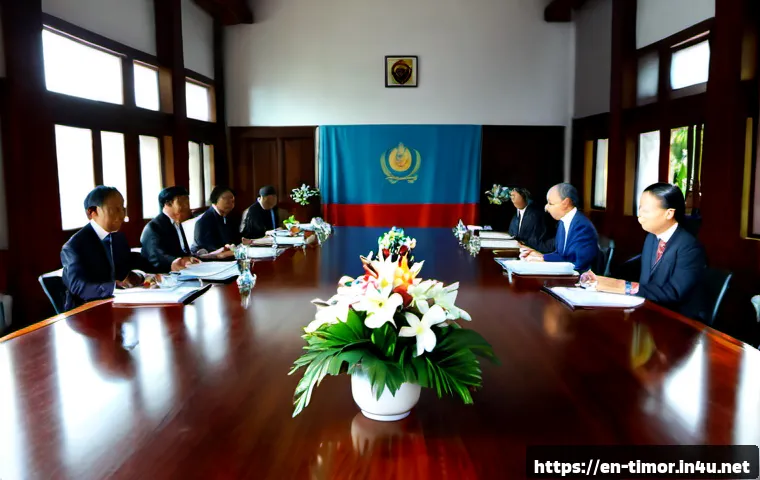
Discussions with local academics, government officials, and even community leaders provided profound insights into the challenges of establishing democratic institutions, ensuring rule of law, and fostering economic growth in a post-conflict environment.
I learned about the nuances of resource management, the complexities of land rights, and the ongoing efforts to strengthen civil society. This hands-on understanding of how theoretical frameworks translate into real-world policies was incredibly enriching, giving me a far more nuanced appreciation for international development and political science than any classroom lecture ever could.
It’s an education that extends beyond textbooks, firmly grounding theory in the practicalities of a nation striving for a brighter future.
Adventures Beyond the Classroom: Exploring a Pristine Paradise
While my primary purpose was academic, studying in East Timor offered an incredible bonus: access to some of the most stunning, untouched natural beauty I’ve ever encountered.
The weekends became opportunities for exploration, transforming from a student to an adventurer, eager to uncover the country’s hidden gems. From the rugged, misty mountains of Maubisse, where the air is cool and the views are breathtaking, to the pristine, azure waters of Atauro Island, teeming with vibrant marine life, East Timor is an ecological wonderland waiting to be discovered.
This wasn’t about packaged tours; it was about genuine discovery, often with local guides or fellow students, navigating rough roads to find secluded waterfalls or deserted beaches.
The sheer sense of freedom and wonder I felt while exploring these landscapes was unparalleled, a perfect counterpoint to the rigorous academic demands.
- Island Hopping and Marine Wonders
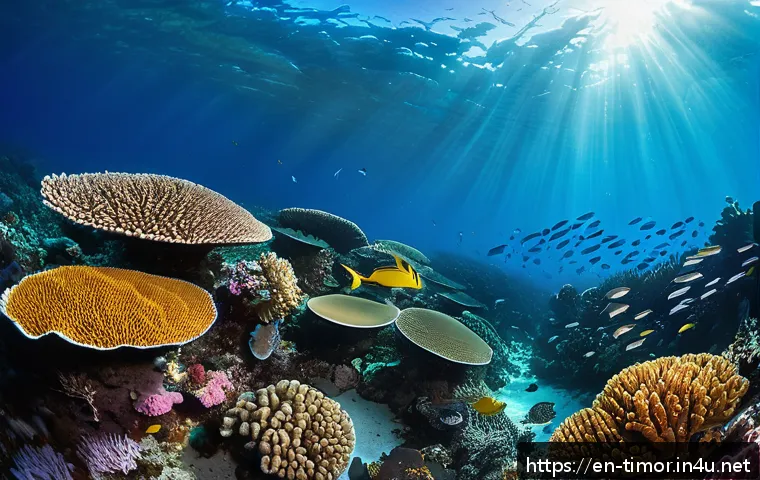
A definite highlight of my time was visiting Atauro Island. Just a short boat ride from Dili, it felt like stepping into another world. The waters surrounding Atauro are renowned for their incredible biodiversity, making it a diver’s and snorkeler’s paradise.
My first time swimming among colorful coral reefs, observing schools of tropical fish and even spotting a sea turtle, left me absolutely awestruck. The local communities on Atauro are also incredibly welcoming, and staying in a simple guesthouse there, disconnected from the hustle of Dili, allowed for a deeper appreciation of the island’s tranquility and the sustainable efforts of its inhabitants.
It’s an escape that revitalizes the soul, reminding you of the raw, untamed beauty of our planet.
- Mountain Treks and Hidden Waterfalls
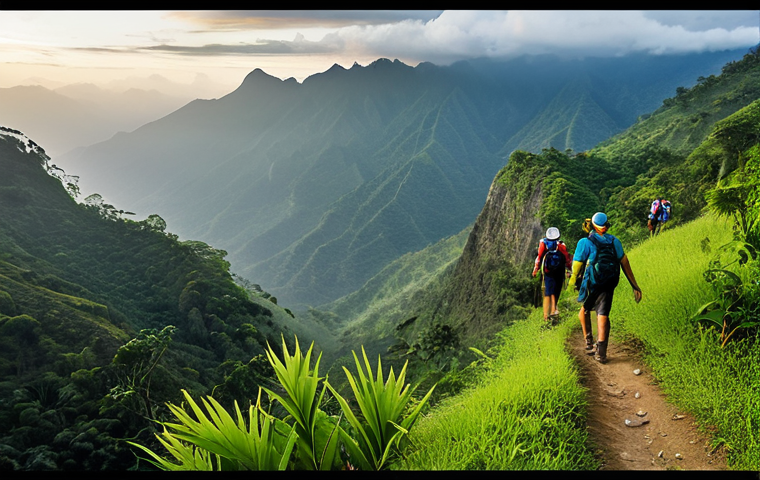
Beyond the coast, East Timor’s interior is a network of majestic mountains and lush valleys, offering fantastic opportunities for hiking and trekking.
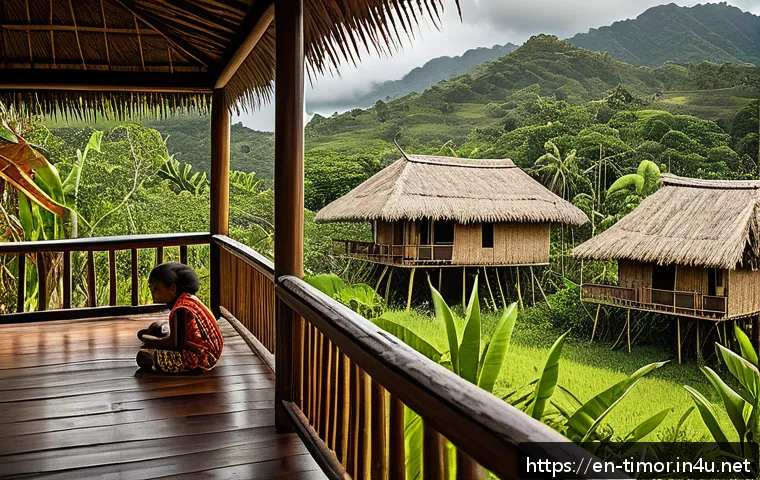
I remember one particularly challenging but rewarding trek to a hidden waterfall in the hills outside of Baucau. The journey itself, passing through small villages, being greeted by smiling children, and witnessing traditional farming practices, was as enriching as the destination.
The air was crisp, the scenery breathtaking, and the sense of accomplishment upon reaching the cascade was immense. These trips weren’t just about physical activity; they were also a chance to connect with the rural heart of the country, away from the capital, and to appreciate the diverse landscapes and the quiet resilience of the communities living amidst them.
The Lasting Imprint: How East Timor Changes You
My study abroad experience in East Timor wasn’t just a chapter in my academic journey; it was a profound personal transformation that continues to shape my perspective long after I’ve returned home.
It was an experience that fundamentally altered my worldview, fostering a deeper sense of global citizenship and an unshakeable appreciation for the human spirit.
I learned that resilience isn’t just a word; it’s a lived reality for an entire nation. The empathy I developed for diverse cultures and the nuanced understanding of development challenges have become invaluable assets, both in my professional life and my personal interactions.
This wasn’t a trip where I merely observed; it was a period where I truly immersed myself, learned, stumbled, and grew in ways I never thought possible.
East Timor, with its vibrant culture, stunning landscapes, and incredibly resilient people, leaves an indelible mark on your soul.
- Expanded Worldview and Career Perspectives
Returning from East Timor, I found my understanding of global issues incredibly enriched. My time there equipped me with a unique lens through which to view international relations, development economics, and social justice.
I no longer just read headlines about developing nations; I remember the faces, the stories, and the challenges I witnessed firsthand. This lived experience has profoundly influenced my career aspirations, steering me towards roles that allow me to contribute to positive global change, with a newfound appreciation for grassroots initiatives and sustainable development.
It’s the kind of experience that distinguishes you, not just on a resume, but in your ability to approach complex problems with empathy, cultural sensitivity, and a truly global perspective.
- Cultivating a Deeper Sense of Gratitude and Empathy
Perhaps the most significant takeaway from my time in East Timor was a profound sense of gratitude and empathy. Witnessing the struggles and triumphs of a nation still building itself, the incredible hospitality of its people despite their own challenges, instilled in me a deeper appreciation for the privileges I often take for granted.
It taught me the true meaning of community, resourcefulness, and the enduring human spirit. I learned that happiness isn’t always tied to material wealth, and that genuine connection and shared humanity are universal currencies.
This emotional awakening continues to guide my interactions and decisions, making me a more compassionate and understanding individual, always striving to build bridges rather than walls.
Concluding Thoughts
My time studying in East Timor wasn’t just about earning a degree; it was about living a life less ordinary, a profound journey that etched itself into my very being.
This nation, with its incredible resilience and warmth, offers an unparalleled educational experience, blending rigorous academics with immersive cultural encounters.
If you’re seeking a study abroad adventure that truly pushes your boundaries and expands your worldview, look no further. East Timor doesn’t just teach you; it transforms you, leaving you with a deeper understanding of the world and yourself.
Handy Tips for Your Journey
1. Visa & Entry: Research the latest visa requirements for your nationality well in advance. While some nationalities may get a visa on arrival, it’s always best to check official sources or the nearest Timorese embassy for the most current information.
2. Currency & Cost: The official currency of East Timor is the United States Dollar (USD). While credit cards are accepted in some larger establishments in Dili, cash is king, especially for local markets and smaller vendors. Overall, the cost of living can be surprisingly affordable, particularly if you embrace local eateries and markets.
3. Connectivity: Prepaid SIM cards are readily available from local providers like Telemor and Timor Telecom. Data packages are generally affordable and offer decent coverage in Dili and surrounding areas, though connectivity can be spotty in more remote regions.
4. Health & Safety: Consult your doctor regarding necessary vaccinations and preventative measures well before your trip. Always have comprehensive travel insurance that covers medical emergencies and potential evacuation. While generally safe, exercise standard precautions, especially at night, and be aware of your surroundings.
5. Basic Tetum: Learning a few basic Tetum phrases like “Bondia” (Good morning), “Obrigado” (Thank you), and “La’os” (No) will go a long way in connecting with locals and showing respect for their culture. English is spoken by some, especially in Dili, but Tetum truly opens doors.
Key Takeaways
Studying in East Timor offers a uniquely immersive and transformative academic experience, characterized by hands-on research opportunities and a collaborative pedagogical approach deeply integrated with local communities.
Daily life, though requiring adaptability, is rich in cultural experiences, from vibrant markets to shared meals, fostering deep connections. Engaging with the nation’s development and diplomatic efforts provides unparalleled real-world insights into nation-building, while the country’s pristine natural beauty offers adventurous exploration.
This journey cultivates profound personal resilience, expands global perspectives, and instills a lasting sense of gratitude and empathy.
Frequently Asked Questions (FAQ) 📖
Q: What makes studying in East Timor so distinct from a conventional study abroad experience, and who is it really suited for?
A: Honestly, it’s like night and day compared to your typical European semester or North American campus experience. Here, you’re not just observing from afar; you’re in it.
I remember arriving and feeling this immediate, almost electric energy; it’s a nation genuinely building itself, right before your eyes. This isn’t for someone looking for a pre-packaged, manicured experience.
It’s for the curious, the adaptable, the ones who get a thrill from engaging with complex, real-world issues. If you’re a student who craves direct impact, who wants to see development, peacebuilding, or even environmental conservation in action, rather than just reading about it, then East Timor isn’t just a destination, it’s a living classroom.
You truly become part of the story here, not just a bystander.
Q: Living in a rapidly developing country sounds exciting but also a bit daunting. How manageable is daily life and expenses for an international student in East Timor?
A: I totally get that apprehension! It’s a common initial thought, but let me tell you, once you’re there, a lot of those worries fade. First off, the US dollar as currency is a massive relief – no confusing exchange rates to fret over, just like back home.
From my experience, daily expenses are surprisingly manageable, often far less than what you’d shell out in a big Western city. You learn quickly where to find fresh, local produce – and oh, the coffee is incredible and affordable!
As for safety, I felt incredibly welcome and secure. The Timorese people are just so genuinely warm and community-oriented. Sure, it’s different; you learn to adapt to things like the occasional power flicker or the rhythm of a developing infrastructure, but honestly, it just adds to the adventure.
It’s not about luxury; it’s about authentic living, and it’s surprisingly easy to settle into once you embrace the local pace.
Q: Beyond the academic curriculum, what unique, hands-on opportunities can students expect to gain that they might not elsewhere, particularly concerning development or social impact?
A: This is where East Timor truly shines! It’s not just about textbooks; it’s about tangible engagement. I vividly recall getting to observe discussions around local sustainable farming initiatives – something I’d only ever read about in papers before.
You’re in a country actively grappling with critical issues like economic diversification post-oil, or building climate resilience from the ground up.
This means unparalleled access to real projects, whether it’s peacebuilding dialogues, environmental conservation efforts, or even community-led development work.
You’re not just learning theories; you’re seeing them applied, often in incredibly innovative ways. It’s a chance to witness history being made, and even better, to contribute your own energy and ideas to a nation’s future.
That kind of hands-on, impactful experience, seeing your studies truly matter, is something you simply won’t get from a standard lecture hall anywhere else.
📚 References
Wikipedia Encyclopedia
구글 검색 결과
구글 검색 결과
구글 검색 결과
구글 검색 결과
구글 검색 결과