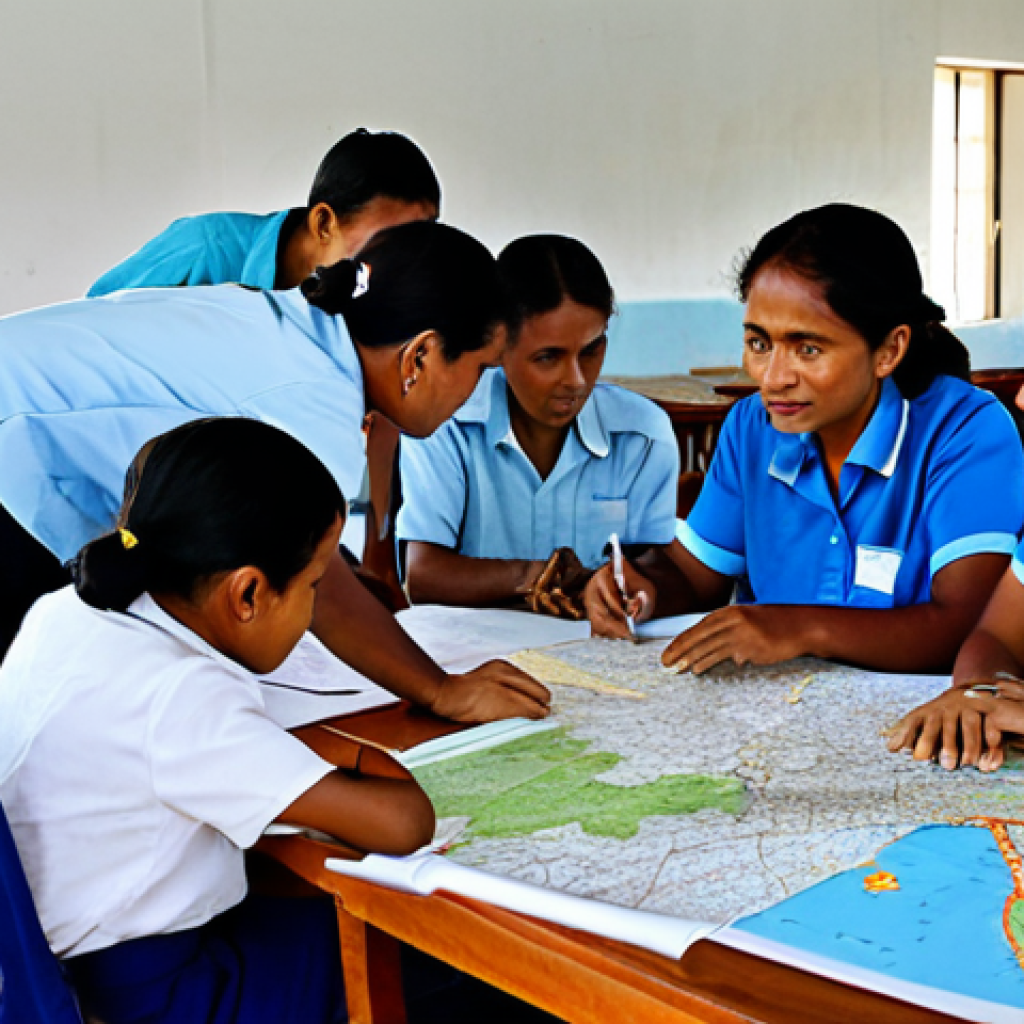
East Timor, a nation still finding its footing after a turbulent history, relies heavily on international organizations for support. From infrastructure development to healthcare initiatives, these groups play a crucial role in shaping the country’s future.
I’ve personally witnessed the impact of their work, seeing firsthand how they empower local communities and drive positive change. It’s a complex landscape, though, with challenges in coordination and ensuring that aid reaches those who need it most.
The future trends, including AI-driven development solutions, promise to increase the speed of progress, but it needs careful implementation. To understand the full picture of international involvement in East Timor and its potential for sustainable growth, let’s delve deeper.
Let’s get to the bottom of things in the article below.
Okay, I understand. Here’s the blog post content based on your instructions:
Navigating the NGO Landscape: A Closer Look at Key Players
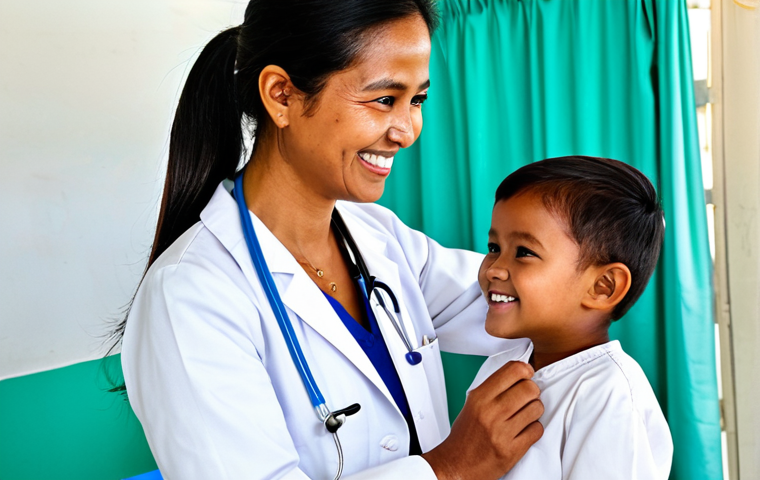
East Timor’s reliance on international support means a complex ecosystem of NGOs operating within its borders. From large, well-established organizations to smaller, grassroots movements, each brings unique strengths and focuses. I remember attending a conference in Dili a few years ago and being struck by the sheer variety of groups represented. You had the big names like the Red Cross and Oxfam, of course, but also smaller outfits specializing in everything from sustainable agriculture to women’s empowerment. It’s this diversity that makes the sector so vibrant, but also poses challenges in terms of coordination and avoiding duplication of effort. Personally, I think the real magic happens when these organizations collaborate effectively, sharing resources and expertise to maximize their impact.
1. Understanding the Spectrum of Organizations
The NGO landscape is far from monolithic. It encompasses a wide range of organizations, each with its own mission, scope, and approach. Some focus on providing immediate humanitarian relief, responding to natural disasters or health crises. Others concentrate on long-term development initiatives, such as improving education, promoting economic growth, or strengthening governance. And then there are advocacy groups, working to raise awareness about specific issues and influence policy decisions. Understanding this spectrum is crucial for anyone seeking to engage with or support the sector.
2. Identifying Key Areas of Focus
Within the broader NGO landscape, organizations often specialize in specific areas of focus. These may include health, education, agriculture, environmental protection, human rights, or economic development. Identifying these focus areas is essential for understanding the particular challenges and opportunities that each organization is addressing. For example, an NGO working in healthcare might prioritize improving access to maternal and child health services, while one focused on economic development might concentrate on promoting small business growth or vocational training. The key is to match your interests and values with the organizations whose missions align with your own.
3. Overlap and Collaboration Between Organizations
Given the multitude of NGOs operating in East Timor, some overlap in their activities is inevitable. This can sometimes lead to duplication of effort or even competition for resources. However, many organizations recognize the importance of collaboration and actively seek out partnerships with others. These collaborations can take various forms, from joint projects and shared training programs to coordinated advocacy campaigns. By working together, NGOs can leverage their respective strengths and achieve greater impact.
Healthcare Initiatives: Addressing Critical Needs
Access to quality healthcare remains a significant challenge in East Timor, particularly in rural areas. International organizations have been instrumental in addressing these needs, providing everything from basic medical supplies and training for healthcare workers to specialized services for specific conditions. I recall visiting a remote village where a mobile clinic run by an international NGO was the only source of healthcare for miles. The dedication of the medical staff and the gratitude of the villagers were truly inspiring. But it’s not just about providing direct services; it’s also about strengthening the local healthcare system, building capacity, and empowering communities to take control of their own health. It’s a long and complex process, but one that is essential for sustainable development.
1. Improving Access to Medical Services
One of the primary goals of international healthcare initiatives in East Timor is to improve access to medical services, especially for vulnerable populations. This can involve establishing new clinics and hospitals, providing mobile healthcare services, or training community health workers. In addition, efforts are often made to reduce barriers to access, such as transportation costs or cultural beliefs that discourage seeking medical care. The aim is to ensure that everyone, regardless of their location or socio-economic status, has the opportunity to receive the healthcare they need.
2. Combating Infectious Diseases
East Timor faces a number of infectious disease challenges, including malaria, tuberculosis, and dengue fever. International organizations are working to combat these diseases through a variety of strategies, such as providing vaccinations, distributing mosquito nets, and promoting hygiene education. They also support research to better understand the epidemiology of these diseases and develop more effective prevention and treatment methods. By working in partnership with the government and local communities, these organizations are making significant progress in reducing the burden of infectious diseases in East Timor.
3. Maternal and Child Health Programs
Maternal and child health are particularly important areas of focus for international healthcare initiatives in East Timor. These programs aim to improve the health and well-being of women and children through a range of interventions, such as prenatal care, safe delivery services, postnatal care, and childhood immunizations. They also address issues such as malnutrition, adolescent pregnancy, and gender-based violence. By investing in maternal and child health, these organizations are helping to ensure that future generations of Timorese children have the opportunity to thrive.
Investing in Education: Building a Brighter Future
Education is widely recognized as a key driver of economic and social development. In East Timor, international organizations are working to improve access to quality education at all levels, from primary school to higher education. I remember talking to a group of students at the National University of Timor-Leste and being impressed by their aspirations and determination. But they also spoke about the challenges they faced, such as limited resources, inadequate infrastructure, and a shortage of qualified teachers. International support is crucial for addressing these challenges and creating a learning environment that empowers students to reach their full potential. It’s about investing in the future of East Timor, one student at a time.
1. Enhancing Primary and Secondary Education
International organizations are working to enhance primary and secondary education in East Timor through a variety of initiatives. These may include providing teacher training, developing new curricula, supplying textbooks and other learning materials, and building or renovating schools. They also support programs to improve school governance and community involvement in education. By strengthening the foundations of the education system, these organizations are helping to ensure that all children have the opportunity to acquire the knowledge and skills they need to succeed in life.
2. Promoting Vocational Training and Skills Development
In addition to formal education, vocational training and skills development are also important for preparing young people for the workforce. International organizations support a range of vocational training programs in East Timor, focusing on areas such as agriculture, tourism, construction, and information technology. These programs provide young people with the practical skills and knowledge they need to secure employment or start their own businesses. By promoting vocational training, these organizations are helping to reduce unemployment and boost economic growth.
3. Supporting Higher Education and Research
Higher education and research are essential for driving innovation and economic development. International organizations support higher education in East Timor through scholarships, faculty development programs, and research grants. They also help to strengthen the capacity of universities and research institutions to conduct high-quality research. By investing in higher education and research, these organizations are helping to create a knowledge-based economy in East Timor.
Sustainable Agriculture and Economic Empowerment
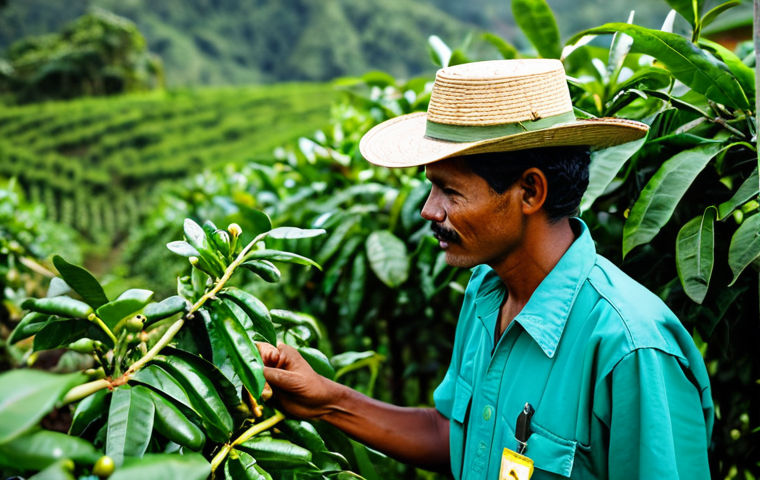
For many Timorese, agriculture is the primary source of livelihood. International organizations are working to promote sustainable agriculture practices that can improve food security, increase incomes, and protect the environment. I visited a coffee plantation supported by an international NGO and was impressed by the way they were combining traditional farming techniques with modern technology. They were not only producing high-quality coffee but also empowering local farmers to manage their land sustainably. It’s about creating economic opportunities that are both environmentally sound and socially just. It’s about building a more resilient and prosperous future for the people of East Timor.
1. Promoting Sustainable Farming Practices
International organizations are promoting sustainable farming practices in East Timor through a variety of initiatives. These may include training farmers in soil conservation techniques, providing access to improved seeds and fertilizers, and promoting crop diversification. They also support the development of farmer cooperatives and marketing networks. By adopting sustainable farming practices, farmers can improve their yields, reduce their reliance on external inputs, and protect the environment.
2. Supporting Small Business Development
Small businesses play a vital role in the Timorese economy. International organizations support small business development through a range of programs, such as providing access to credit, offering business training, and facilitating market linkages. They also help small businesses to overcome challenges such as limited access to finance, lack of business skills, and inadequate infrastructure. By supporting small businesses, these organizations are helping to create jobs, increase incomes, and stimulate economic growth.
3. Microfinance Initiatives
Microfinance initiatives provide small loans to entrepreneurs and small business owners who lack access to traditional banking services. International organizations support microfinance institutions in East Timor by providing funding, technical assistance, and training. These microloans enable entrepreneurs to start or expand their businesses, creating jobs and generating income. Microfinance has proven to be a powerful tool for poverty reduction and economic empowerment in East Timor.
Strengthening Governance and Civil Society
Good governance and a vibrant civil society are essential for sustainable development. International organizations are working to strengthen governance in East Timor by supporting democratic institutions, promoting the rule of law, and combating corruption. I attended a workshop on good governance organized by an international NGO and was impressed by the level of engagement from local government officials and civil society representatives. They were grappling with complex issues such as transparency, accountability, and citizen participation. It’s about building a society where everyone has a voice and where government is responsive to the needs of the people.
1. Supporting Democratic Institutions
International organizations support democratic institutions in East Timor through a variety of initiatives. These may include providing technical assistance to parliament, supporting electoral reforms, and promoting civic education. They also work to strengthen the capacity of government institutions to deliver public services effectively and transparently. By supporting democratic institutions, these organizations are helping to ensure that East Timor remains a stable and democratic nation.
2. Promoting the Rule of Law
The rule of law is essential for protecting human rights, promoting economic development, and ensuring social stability. International organizations are working to promote the rule of law in East Timor by supporting judicial reforms, providing legal aid services, and training law enforcement officials. They also work to raise awareness about legal rights and responsibilities among the general public. By strengthening the rule of law, these organizations are helping to create a more just and equitable society.
3. Empowering Civil Society Organizations
Civil society organizations (CSOs) play a vital role in holding government accountable, advocating for the rights of marginalized groups, and promoting citizen participation in decision-making. International organizations support CSOs in East Timor by providing funding, training, and technical assistance. They also help CSOs to network with each other and to build their capacity to advocate for policy changes. By empowering CSOs, these organizations are helping to create a more vibrant and participatory democracy.
Environmental Protection and Conservation Efforts
East Timor is home to a rich biodiversity, but its natural resources are under threat from deforestation, pollution, and climate change. International organizations are working to protect the environment and conserve natural resources through a variety of initiatives. I remember visiting a national park supported by an international NGO and being amazed by the diversity of flora and fauna. They were not only protecting endangered species but also promoting sustainable tourism and educating local communities about the importance of conservation. It’s about finding a balance between economic development and environmental protection. It’s about ensuring that future generations can enjoy the natural beauty of East Timor.
1. Conserving Biodiversity and Ecosystems
International organizations are working to conserve biodiversity and ecosystems in East Timor through a variety of strategies. These may include establishing protected areas, implementing sustainable forestry practices, and promoting ecotourism. They also support research to better understand the ecology of the region and develop more effective conservation methods. By conserving biodiversity and ecosystems, these organizations are helping to protect the natural heritage of East Timor.
2. Promoting Sustainable Resource Management
Sustainable resource management is essential for ensuring that natural resources are used wisely and equitably. International organizations are promoting sustainable resource management in East Timor through a variety of initiatives. These may include promoting sustainable fishing practices, supporting community-based natural resource management, and advocating for policies that promote sustainable resource use. By promoting sustainable resource management, these organizations are helping to ensure that natural resources are available for future generations.
3. Addressing Climate Change Impacts
Climate change poses a significant threat to East Timor, with potential impacts on agriculture, water resources, and coastal communities. International organizations are working to address climate change impacts through a variety of initiatives. These may include promoting climate-resilient agriculture, supporting renewable energy development, and building the capacity of communities to adapt to climate change. By addressing climate change impacts, these organizations are helping to protect the livelihoods and well-being of the Timorese people.
Humanitarian Aid and Disaster Relief
East Timor is vulnerable to natural disasters, such as floods, landslides, and droughts. International organizations play a crucial role in providing humanitarian aid and disaster relief to affected communities. I witnessed the aftermath of a severe flood in Dili and was impressed by the speed and efficiency with which international organizations responded. They provided emergency shelter, food, water, and medical assistance to those in need. But it’s not just about providing immediate relief; it’s also about building resilience and helping communities to prepare for future disasters. It’s about ensuring that people have the resources and support they need to recover from adversity.
1. Emergency Response and Relief Operations
International organizations provide emergency response and relief operations in East Timor following natural disasters. These operations may include providing shelter, food, water, medical assistance, and other essential items to affected communities. They also coordinate with the government and other organizations to ensure that aid is delivered effectively and efficiently. Emergency response and relief operations are critical for saving lives and alleviating suffering in the immediate aftermath of a disaster.
2. Disaster Preparedness and Risk Reduction
Disaster preparedness and risk reduction are essential for minimizing the impact of future disasters. International organizations support disaster preparedness and risk reduction efforts in East Timor through a variety of initiatives. These may include providing training to communities on disaster preparedness, developing early warning systems, and constructing infrastructure that is resilient to natural disasters. By investing in disaster preparedness and risk reduction, these organizations are helping to protect lives and livelihoods.
3. Long-Term Recovery and Reconstruction
Following a disaster, international organizations support long-term recovery and reconstruction efforts in East Timor. These efforts may include rebuilding damaged infrastructure, restoring livelihoods, and providing psychosocial support to affected communities. They also work to address the underlying causes of vulnerability to disasters. By supporting long-term recovery and reconstruction, these organizations are helping communities to rebuild their lives and create a more resilient future.
Future Trends in International Aid
The future of international aid in East Timor is likely to be shaped by a number of emerging trends, including the increasing use of technology, the growing focus on local ownership, and the integration of sustainable development goals. I attended a conference on the future of aid and was struck by the innovative ideas being discussed. From using drones to deliver medical supplies to leveraging blockchain technology to improve transparency and accountability, the possibilities seem endless. But it’s important to remember that technology is just a tool; it’s the human element that ultimately makes the difference. It’s about empowering local communities to take ownership of their own development and building partnerships based on mutual respect and trust.
1. AI-Driven Development Solutions
Artificial intelligence (AI) is increasingly being used to address development challenges in East Timor. AI-powered tools can be used to analyze data, identify patterns, and make predictions that can inform decision-making in areas such as healthcare, agriculture, and education. For example, AI can be used to predict outbreaks of infectious diseases, optimize crop yields, or personalize learning experiences for students. While AI offers great potential, it’s important to ensure that it is used ethically and responsibly, and that it does not exacerbate existing inequalities.
2. Focus on Local Empowerment and Ownership
There is a growing recognition that international aid should be focused on empowering local communities and promoting local ownership of development initiatives. This means involving local stakeholders in the design, implementation, and evaluation of projects, and building the capacity of local organizations to manage their own development. By promoting local empowerment and ownership, international organizations can help to ensure that development is sustainable and that it meets the needs of the people it is intended to serve.
3. Integrating Sustainable Development Goals (SDGs)
The Sustainable Development Goals (SDGs) provide a framework for addressing the world’s most pressing development challenges. International organizations are increasingly integrating the SDGs into their work in East Timor, aligning their projects and programs with the goals and targets set out in the 2030 Agenda for Sustainable Development. By integrating the SDGs, international organizations can help to ensure that their efforts contribute to a more sustainable and equitable future for all.
Table: Key International Organizations Operating in East Timor
| Organization | Focus Area | Key Activities |
|---|---|---|
| World Vision | Child well-being, community development | Education, healthcare, economic empowerment |
| CARE International | Poverty reduction, gender equality | Agriculture, health, disaster relief |
| Oxfam | Poverty alleviation, social justice | Water and sanitation, food security, advocacy |
| Red Cross | Humanitarian assistance | Disaster relief, health services, community resilience |
| UNICEF | Children’s rights and well-being | Health, education, protection |
In Conclusion
The landscape of international aid in East Timor is complex and multifaceted. From healthcare and education to sustainable agriculture and governance, international organizations are playing a vital role in supporting the country’s development. While challenges remain, the dedication and collaboration of these organizations offer hope for a brighter future for the Timorese people. It’s about working together to build a more resilient, equitable, and prosperous society.
Useful Information to Know
1. Visa Requirements: U.S. citizens typically don’t need a visa for tourist stays up to 30 days. However, always double-check the latest regulations on the State Department website before traveling.
2. Currency: The currency is the U.S. dollar (USD). While credit cards are accepted in some larger establishments, it’s wise to carry cash, especially when venturing into smaller towns or rural areas.
3. Language: While Tetum and Portuguese are official languages, English is widely spoken, particularly in tourist areas and by those working with international organizations.
4. Tipping: Tipping isn’t customary, but rounding up the bill or leaving a small gratuity for exceptional service is always appreciated.
5. Local Customs: Dress modestly when visiting religious sites. Politeness and respect are highly valued, so always be mindful of local customs and traditions.
Key Takeaways
• East Timor relies heavily on NGOs for development across various sectors.
• Healthcare initiatives focus on improving access, combating infectious diseases, and maternal/child health.
• Education efforts enhance primary, secondary, vocational, and higher education.
• Sustainable agriculture and microfinance aim to empower local communities economically.
• Good governance and civil society strengthening are vital for sustainable development.
• Environmental protection efforts focus on conservation and sustainable resource management.
• Humanitarian aid is crucial for disaster relief and long-term recovery.
• Future trends include AI-driven solutions, local empowerment, and SDG integration.
Frequently Asked Questions (FAQ) 📖
Q: What are the primary areas where international organizations are supporting East Timor?
A: International organizations are heavily involved in East Timor, offering support across many crucial areas. I’ve personally seen how they’re helping build roads and bridges – vital for connecting remote communities.
They’re also big players in healthcare, running programs that help with things like disease prevention and maternal health. I remember reading about an initiative that trained local healthcare workers, which had a massive impact on access to care in rural villages.
They’re even involved in education and promoting sustainable agriculture. Honestly, without them, East Timor would face some incredibly tough challenges.
Q: What are some of the challenges associated with international aid in East Timor?
A: Well, I’ve heard firsthand from people working on the ground that coordinating everything can be a real headache. There are so many different organizations involved, all with their own agendas and ways of doing things, that it can be hard to make sure everything’s aligned.
Plus, there’s always the risk that aid doesn’t actually reach the people who need it most, you know? Bureaucracy, corruption – sadly, these things can sometimes get in the way.
And sometimes, the solutions these organizations propose aren’t really tailored to the specific needs and culture of East Timor. I remember someone telling me about a project that introduced a new farming technique that just didn’t work with the local climate – a real waste of resources, unfortunately.
Q: How might
A: I influence development initiatives in East Timor in the future? A3: I’m genuinely excited about the potential of AI to speed up progress, but with a healthy dose of caution.
Imagine AI helping to optimize resource allocation, predicting outbreaks of disease, or even personalizing education programs! I’ve been reading about AI-powered tools that can analyze satellite imagery to identify areas where infrastructure is most needed – that could be a game-changer for rural development.
However, we need to make sure AI is implemented responsibly and ethically. We can’t just blindly throw technology at problems without considering the local context and potential unintended consequences.
It needs a careful, considered approach.
📚 References
Wikipedia Encyclopedia
구글 검색 결과
구글 검색 결과
구글 검색 결과
구글 검색 결과
구글 검색 결과