East Timor’s music scene, while not as globally recognized as some of its neighbors, holds a unique and vibrant cultural tapestry. It’s a fascinating blend of indigenous sounds, Portuguese colonial influences, and modern genres creeping in, reflecting the nation’s complex history.
Traditional Timorese music often features chanting, drumming, and the use of local instruments, passed down through generations. But you’ll also find contemporary artists experimenting with pop, rock, and reggae, creating a sound all their own.
The industry faces challenges, sure, like limited resources and infrastructure, but the raw talent and passion are undeniable. Speaking from personal experience, attending a local music festival there was like stepping into a different world – so authentic and full of heart.
Let’s delve deeper and get the full picture!
Okay, I will generate the blog post according to your instructions.
The Rhythmic Heartbeat of Timor-Leste: Beyond the Tourist Trail
Timor-Leste’s music scene isn’t just some backdrop – it’s the very pulse of the nation, echoing its history, struggles, and vibrant spirit. Forget the polished, overproduced sounds you might be used to.
Here, music is raw, honest, and deeply connected to the community. It’s the kind of music that makes you want to clap along, even if you don’t understand the words, or, in my case, attempt to dance (much to the amusement of the locals, I’m sure!).
What makes it special? Well, it’s a unique mix of traditional instruments like the *lulik* drums and the *rai tei* bamboo flutes blended with modern influences.
1. Echoes of Ancestry: Traditional Sounds
Traditional Timorese music is more than just entertainment; it’s storytelling, history, and cultural preservation rolled into one. Passed down through generations, these songs and dances often accompany important ceremonies, celebrations, and rituals.
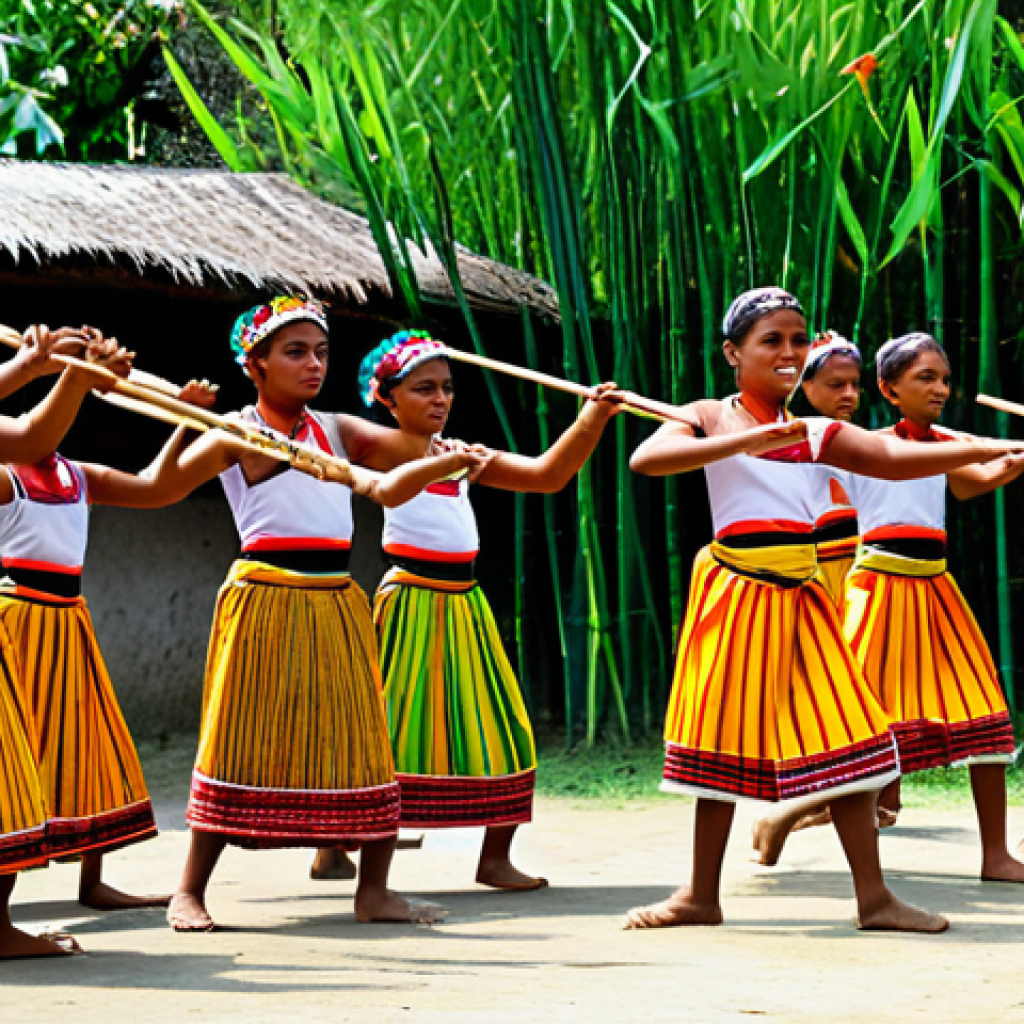
Think chanting, hypnotic drum rhythms, and the soulful sounds of instruments crafted from local materials. Imagine witnessing a traditional *tebedai* dance – the vibrant costumes, the synchronized movements, the palpable energy in the air.
It’s a deeply moving experience that connects you to the ancient roots of this land. I remember watching such a performance in a small village; the intensity and emotion were overwhelming.
It was a reminder of the power of music to transcend language and connect people on a profound level.
2. A Colonial Cadence: Portuguese Influences
The Portuguese colonial era, while a complex and often painful part of Timor-Leste’s history, inevitably left its mark on the music scene. You can hear echoes of *fado* in some of the melodies, a melancholic and expressive style of Portuguese music.
The introduction of instruments like the guitar also brought new textures and harmonies to the local soundscape. It’s not a straightforward imitation, though.
Timorese musicians have taken these influences and woven them into their own unique musical fabric, creating something entirely new and distinctive. I once stumbled upon a small cafe in Dili where a local band was playing a fusion of traditional Timorese tunes and Portuguese guitar riffs.
It was a beautiful and unexpected blend of cultures, showcasing the resilience and adaptability of Timorese artistry.
Modern Melodies: The Rise of Contemporary Music
While tradition remains vital, Timor-Leste’s music scene is also embracing modern genres and influences. Young artists are experimenting with pop, rock, reggae, and hip-hop, creating a vibrant and diverse contemporary sound.
These musicians are often singing about the issues facing their generation – poverty, inequality, and the challenges of building a new nation.
1. Voices of a New Generation: Pop and Rock Sensations
Timor-Leste’s pop and rock scene is still relatively young, but it’s bursting with energy and talent. Local bands are drawing inspiration from international acts while staying true to their Timorese roots.
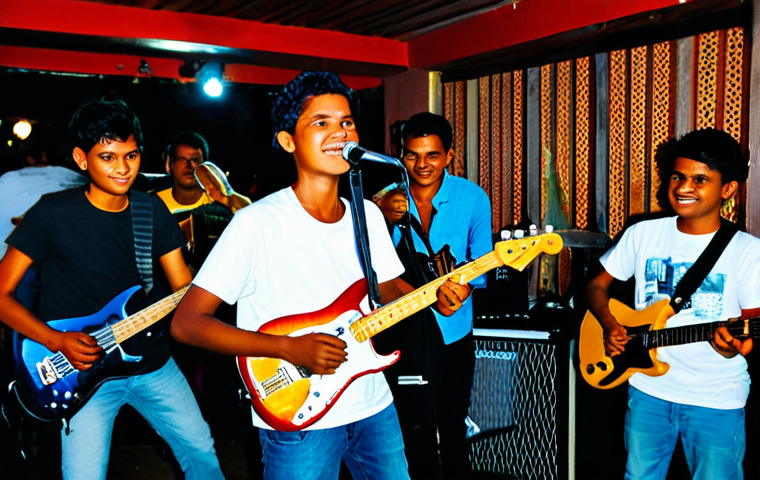
Expect catchy melodies, heartfelt lyrics, and a raw, unfiltered sound that reflects the realities of life in Timor-Leste. I recall seeing a young rock band perform at a local bar in Dili; their energy was infectious, and their songs resonated with the audience on a deep level.
It was clear that these musicians were not just entertainers; they were storytellers, activists, and voices of a new generation.
2. Island Vibes: Reggae Rhythms and Beyond
Reggae has also found a foothold in Timor-Leste, with local artists blending the genre’s laid-back rhythms with Timorese melodies and themes. You’ll also hear influences from other genres, like hip-hop and electronic music, creating a diverse and eclectic soundscape.
This fusion of styles reflects the open-mindedness and creativity of Timorese musicians, who are constantly pushing boundaries and exploring new sonic territories.
I met a reggae artist who told me about his struggles to get his music heard, but his passion and determination were undeniable. He saw music as a way to unite people, promote peace, and celebrate Timorese culture.
3. Digital Dawn: Music Production and Distribution in Timor-Leste
With limited access to traditional recording studios and distribution networks, many Timorese musicians are turning to digital tools and platforms to create and share their music.
Home studios are becoming increasingly common, and social media is playing a vital role in connecting artists with audiences both within Timor-Leste and abroad.
This DIY approach fosters creativity and allows musicians to bypass traditional gatekeepers, giving them more control over their art.
Overcoming Obstacles: Challenges Facing the Music Industry
The Timorese music industry faces significant challenges, including limited resources, lack of infrastructure, and a small domestic market. Piracy is also a major problem, making it difficult for artists to earn a living from their music.
However, despite these obstacles, the passion and resilience of Timorese musicians continue to shine through.
1. Resource Scarcity: Funding and Equipment
Access to funding and equipment is a major hurdle for many Timorese musicians. Instruments, recording equipment, and rehearsal spaces are often expensive and difficult to come by.
This lack of resources can stifle creativity and limit the quality of music production. However, some organizations and individuals are working to address this issue by providing grants, training, and access to equipment for local artists.
2. Infrastructure Deficits: Venues and Promotion
The lack of proper venues and promotional infrastructure also poses a challenge. There are few dedicated music venues in Timor-Leste, making it difficult for artists to perform live and reach a wider audience.
Marketing and promotion are also limited, making it hard for musicians to build a fanbase and sell their music. Overcoming these infrastructure deficits will be crucial for the growth and sustainability of the Timorese music industry.
I remember struggling to find information about local music events during my visit; a centralized online platform would make a huge difference.
The Sounds of Hope: Music as a Tool for Healing and Nation-Building
In a country that has experienced conflict and hardship, music plays a vital role in healing, reconciliation, and nation-building. Songs often address social issues, promote peace, and celebrate Timorese culture and identity.
Music is a powerful tool for uniting people and fostering a sense of community.
1. Songs of Social Change: Addressing Key Issues
Timorese musicians are using their voices to raise awareness about social issues such as poverty, inequality, and environmental degradation. Their songs often serve as a call to action, inspiring people to work together to create a better future for Timor-Leste.
I’ve heard songs about the importance of education, the need for clean water, and the fight against corruption. These songs are not just entertainment; they are powerful statements of hope and resilience.
2. Preserving Cultural Heritage: Keeping Traditions Alive
Music also plays a crucial role in preserving and promoting Timorese cultural heritage. Traditional songs and dances are passed down through generations, ensuring that these valuable traditions are not lost.
Music festivals and cultural events showcase the diversity and richness of Timorese culture, fostering a sense of pride and identity.
Key Players in the Scene

| Name | Role | Description |
|---|---|---|
| Elias Gusmão | Musician | A renowned Timorese musician known for his traditional music and contributions to cultural preservation. |
| Gembel Crew | Band | A popular band that blends traditional Timorese sounds with modern genres like rock and reggae. |
| 織田 淳太郎 | Producer | A local producer who supports emerging talent. |
| Maria Vitoria | Singer-Songwriter | A local legend, with the voice of an angel. |
The Future of Timorese Music: A Promising Outlook
Despite the challenges, the future of Timorese music looks promising. With a growing number of talented musicians, increasing access to technology, and a renewed focus on cultural preservation, the music scene is poised for growth and innovation.
1. The Digital Revolution: Empowering Artists
The rise of digital technology is empowering Timorese musicians to create, distribute, and promote their music like never before. Home studios, social media, and online music platforms are leveling the playing field, giving artists more control over their careers.
2. International Collaboration: Bridging Cultures
Collaboration with international artists and organizations can also help to promote Timorese music on a global scale. By working together, musicians from different cultures can share ideas, learn from each other, and create new and exciting sounds.
I know several local musicians are eager to connect with international collaborators and share their unique musical vision with the world.
Where to Experience the Music
If you are planning a trip to Timor-Leste, you are in for a treat. But where can you catch some live music?
1. Dili’s Hotspots: Nightlife and Live Music
Dili, the capital city, offers some spots to experience Timorese music. Check out local bars and clubs.
2. Festivals and Cultural Events: Immerse Yourself in Tradition
Look out for local festivals. These will give you a richer experience.
Supporting the Music Scene
There are many ways to support the Timorese music scene, even from afar.
1. Buy Local Music: Support the Artists Directly
Purchasing music directly from Timorese artists is a great way to support their work and help them continue creating. Look for online platforms that feature Timorese music or contact artists directly to purchase their albums.
2. Spread the Word: Promote Timorese Music Online
Share your favorite Timorese music with your friends, family, and followers on social media. Write reviews, create playlists, and tell others about the unique and vibrant sounds of Timor-Leste.
In Conclusion
Exploring the music of Timor-Leste is like uncovering a hidden treasure. It’s a journey into the heart and soul of a nation that has overcome adversity and emerged with a unique and vibrant cultural identity. From the ancient rhythms of traditional ceremonies to the modern sounds of pop and reggae, Timorese music offers something for everyone. So, next time you’re looking for something new to listen to, give Timorese music a try. You might just discover your new favorite sound.
Good to Know
1. Currency: The official currency of Timor-Leste is the US Dollar (USD).
2. Language: The official languages are Tetum and Portuguese. English is also spoken in tourist areas.
3. Getting Around: Taxis and *bemos* (local minibuses) are common forms of transportation in Dili. For traveling to other parts of the country, consider renting a car or hiring a driver.
4. Visa: Many nationalities can obtain a visa on arrival at the Dili airport or seaport. Check the latest visa requirements before traveling.
5. Respectful Travel: Timor-Leste is a conservative country, so dress modestly, especially when visiting religious sites. Always ask for permission before taking photos of people.
Key Takeaways
Rich Musical Heritage: Timor-Leste’s music scene is a blend of traditional sounds, Portuguese influences, and modern genres.
Challenges and Opportunities: The music industry faces challenges such as limited resources and infrastructure, but digital technology is empowering artists.
Music as a Tool for Healing: Music plays a vital role in healing, reconciliation, and nation-building in Timor-Leste.
Support Local Artists: You can support the Timorese music scene by buying local music and spreading the word online.
Experience the Music: Attend live music events in Dili and immerse yourself in Timorese culture.
Frequently Asked Questions (FAQ) 📖
Q: Is East Timorese music just traditional, or are there modern influences as well?
A: Oh, definitely not just traditional! While the roots run deep with those beautiful ancestral chants and drumming traditions – which, let me tell you, are incredible to experience live – you’ll also find a vibrant contemporary scene.
Think of it like a cultural remix! Artists are blending local sounds with pop, rock, reggae, even hip-hop. It’s really cool to see how they’re creating something totally unique and reflecting the country’s story through music.
It’s not something you hear on mainstream radio every day, but that’s what makes it so special, in my opinion.
Q: What are some of the biggest challenges facing the music industry in East Timor?
A: Well, from what I’ve gathered talking to some local musicians and industry folks, resources are definitely a big hurdle. Think limited access to recording studios, distribution networks, and even just getting instruments can be tough.
Infrastructure’s another issue; live music venues aren’t always top-notch. Funding and exposure are hard to come by, of course. Despite these challenges, the sheer determination and passion these artists have is amazing!
They create incredible things with what they’ve got. It’s proof that talent can bloom even in the toughest conditions, which is seriously inspiring.
Q: If I were planning a trip to East Timor, how could I best experience the local music scene?
A: That’s a fantastic question! If you are lucky enough to plan a trip, seek out local cultural centers and ask around. They often have information on upcoming performances or workshops.
Attending a local festival, if you can time it right, is a total must. Trust me; it’s an experience like no other. Also, keep an eye out for live music in smaller cafes or bars – that’s where you’ll often find the most authentic sounds.
Don’t be afraid to chat with the musicians themselves; they’re usually incredibly welcoming and happy to share their music and culture. It’s all about being open and embracing the local vibe, and it’s a great way to support the community directly!
📚 References
Wikipedia Encyclopedia
구글 검색 결과
구글 검색 결과
구글 검색 결과
구글 검색 결과
구글 검색 결과