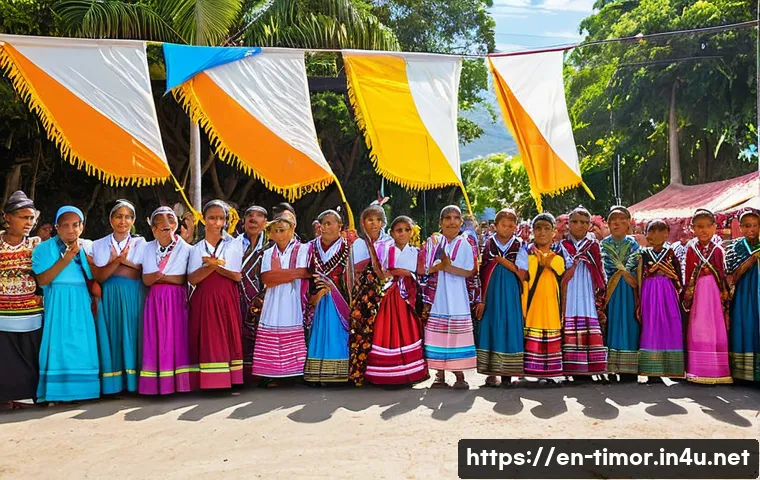
East Timor, a vibrant island nation in Southeast Asia, is a fascinating mosaic of cultures and beliefs. Religion plays a significant role in shaping the daily lives and traditions of its people.
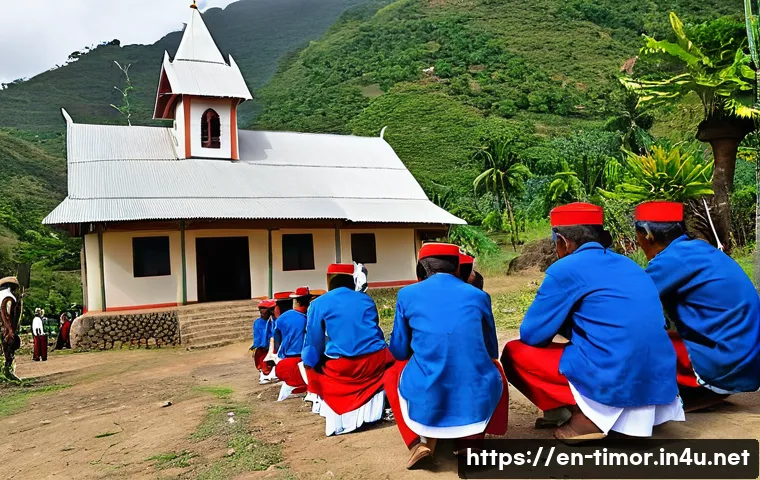
Predominantly Roman Catholic, the country also embraces indigenous spiritual practices that have endured through centuries. This unique blend of faiths offers a rich tapestry of history and community values.
Understanding the religious landscape of East Timor reveals much about its identity and resilience. Let’s dive deeper and explore the key religions that define this remarkable nation!
Faith in Everyday Life: The Heartbeat of East Timorese Society
Community and Worship: More Than Just Rituals
In East Timor, religious practice is not confined to the walls of churches or sacred sites; it pulses through everyday interactions and community gatherings.
I’ve noticed during visits that Sunday masses are less about formal ceremonies and more about reconnecting with neighbors and family. The church acts as a social hub where people exchange stories, share meals, and reinforce bonds.
This communal spirit is deeply woven into the Catholic faith that many East Timorese hold dear, creating a vibrant atmosphere that feels both spiritual and social.
Religious Festivals: A Colorful Blend of Tradition and Devotion
One of the most striking experiences I had was attending a local festival where Catholic celebrations intertwined with indigenous rituals. The air buzzed with music, dance, and the scent of traditional foods, all punctuated by moments of solemn prayer.
These events aren’t just religious observances; they’re a collective expression of identity and resilience. Watching elders pass down stories and rituals to younger generations, it’s clear that faith serves as a living bridge between past and future.
The Role of Religious Leaders in Guiding Daily Life
Religious leaders in East Timor carry immense respect and influence beyond spiritual guidance. From my conversations with locals, it’s evident that priests and shamans alike play crucial roles in mediating conflicts, advising on personal matters, and supporting community welfare.
Their presence offers a sense of stability, especially in rural areas where access to formal services is limited. This dual leadership model, blending Catholic and indigenous authority, reflects the country’s unique spiritual landscape.
Blending Beliefs: Indigenous Spirituality and Catholicism
Roots of Indigenous Faith: Connection to Land and Ancestors
Indigenous beliefs in East Timor are deeply rooted in animism, where the natural world and ancestors are revered as active forces influencing daily life.
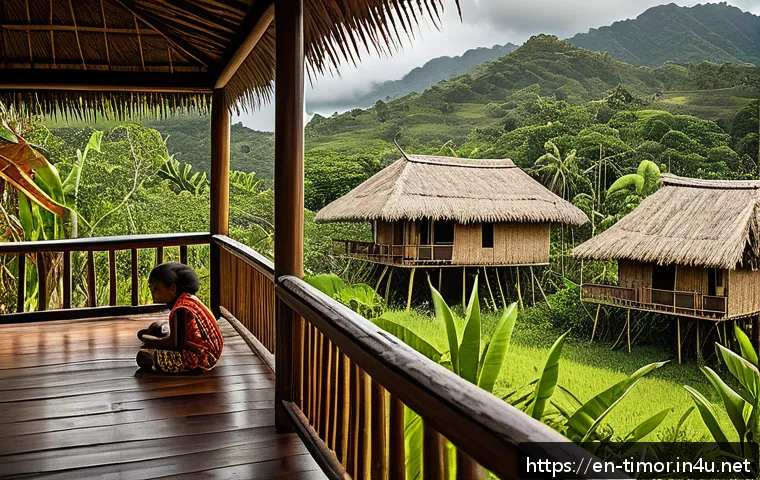
During my time exploring remote villages, I witnessed rituals honoring ancestral spirits and sacred sites like mountains and rivers. These practices emphasize harmony with nature and community wellbeing, often coexisting alongside Catholic rites without conflict.
It’s a beautiful example of spiritual coexistence that speaks to the adaptability of faith.
Syncretism in Practice: How Traditions Merge
What fascinated me most was seeing how indigenous customs subtly merge with Catholic practices. For instance, certain ceremonies incorporate prayers to saints alongside traditional offerings to spirits.
This syncretism reflects not only historical adaptation but a living, evolving spirituality. People don’t see these as contradictory but complementary, enriching their faith experience.
This layered belief system adds depth and texture to East Timor’s religious identity.
Preserving Indigenous Knowledge Amid Modern Changes
The challenge lies in safeguarding these indigenous traditions as modernization and globalization advance. I’ve encountered passionate community leaders working to document and teach these customs to younger generations, often using storytelling and cultural festivals.
This effort is vital because it maintains cultural diversity and offers a counterbalance to the dominant Catholic influence. It’s inspiring to see such dedication toward preserving a spiritual heritage that’s integral to East Timor’s soul.
The Influence of Religion on East Timor’s Social Fabric
Faith as a Source of National Unity
Religion has played a pivotal role in East Timor’s journey toward independence and national identity. From my readings and discussions, it’s clear that Catholicism became a unifying force during times of struggle, providing hope and solidarity.
The church often acted as a sanctuary and voice for the oppressed, helping to galvanize the population. This shared faith continues to foster a sense of belonging and collective purpose across diverse communities.
Religious Values Guiding Social Norms
Many social customs and ethical codes in East Timor are strongly influenced by religious teachings. Respect for elders, communal responsibility, and hospitality all resonate with spiritual principles.
I noticed how these values shape conflict resolution and cooperation in daily life, creating a society where relationships matter deeply. This moral framework supports social cohesion and resilience, especially in rural settings where traditional structures remain strong.
Challenges and Opportunities for Interfaith Dialogue
While Catholicism dominates, East Timor is gradually opening up to interfaith understanding, especially as younger generations engage more with global ideas.
I’ve observed local initiatives promoting dialogue between different religious groups, encouraging respect and peaceful coexistence. These efforts are promising, signaling a future where diversity is embraced without undermining core cultural values.
It’s a delicate balance but one that could enrich East Timor’s social harmony.
Religious Education: Nurturing Faith and Identity
Role of Schools and Churches in Faith Formation
Religious education in East Timor is a cornerstone for passing down beliefs and cultural identity. From my experience visiting local schools, religious instruction is often integrated into daily lessons, reinforcing values alongside academics.
Churches also provide catechism and youth programs that engage children in faith-based activities. This combination helps solidify a spiritual foundation while fostering community involvement.
Challenges in Balancing Tradition and Modern Curriculum
One issue educators face is balancing religious teachings with the demands of a modern curriculum. While faith remains central, there’s increasing awareness of the need to prepare young people for a globalized world.
I spoke with teachers who strive to respect traditional beliefs while encouraging critical thinking and openness. This balancing act is essential for equipping the next generation with both cultural pride and adaptability.
Impact of Religious Education on Social Development
Religious education doesn’t just shape personal beliefs; it influences broader social development. I’ve seen how faith-based values promote community service, leadership, and ethical behavior among youth.
These qualities contribute positively to social cohesion and civic responsibility. Moreover, religious institutions often partner with NGOs to address issues like poverty and health, demonstrating the practical benefits of spiritual education.
Spiritual Sites: Guardians of History and Culture
Historic Churches: Symbols of Faith and Resistance
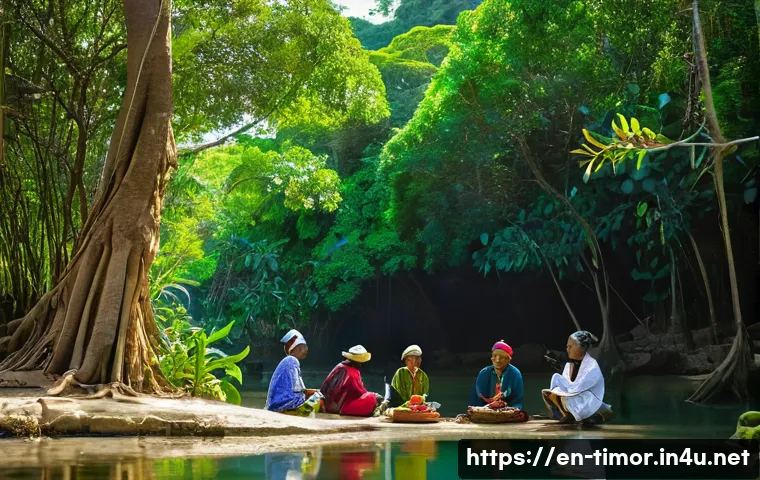
Visiting East Timor’s historic churches reveals layers of history that go beyond architecture. Many of these sites witnessed pivotal moments in the nation’s struggle and serve as living monuments of resilience.
Walking through them, I felt a profound sense of reverence and connection to the past. These churches are not just places of worship but anchors of collective memory and identity.
Sacred Natural Landmarks and Their Significance
Apart from built structures, natural sites hold spiritual significance. Mountains, caves, and rivers are often considered sacred, protected by traditional customs.
I had the chance to join a local ritual at a sacred spring where offerings were made to ensure community wellbeing. These places embody the intimate relationship between spirituality and environment, reminding us that faith in East Timor is deeply ecological.
Preservation Efforts and Tourism Impact
Preserving these spiritual sites is crucial yet challenging, especially with growing tourism. I noticed ongoing efforts by communities and authorities to balance access with conservation.
Responsible tourism initiatives aim to educate visitors while respecting local customs. This approach benefits both cultural preservation and economic development, highlighting how spirituality and sustainability can coexist.
Religious Festivals and Their Role in Cultural Expression
Annual Celebrations: Marking Time with Faith
Religious festivals in East Timor punctuate the calendar with vibrant expressions of belief and culture. From my firsthand experience attending the Feast of St.
Anthony, I was struck by the elaborate processions, colorful costumes, and joyful music. These events serve as communal milestones, reinforcing identity and continuity.
They also provide a moment of respite and celebration amid daily hardships.
Traditional Music and Dance: Spiritual Storytelling
Music and dance are integral to religious festivities, acting as a medium for storytelling and spiritual connection. I’ve watched traditional dances that narrate creation myths or honor saints, performed with profound emotion and skill.
These art forms preserve oral histories and deepen communal bonds, making faith a dynamic, lived experience rather than a static doctrine.
Food and Fellowship: Nourishing Body and Soul
No festival is complete without sharing food, and this is especially true in East Timor. I enjoyed feasts where families and neighbors gather to prepare and share traditional dishes, reinforcing hospitality and generosity.
These meals are more than sustenance; they symbolize unity and gratitude, nourishing both body and soul within the spiritual framework.
| Aspect | Description | Impact on Society |
|---|---|---|
| Community Worship | Regular gatherings that combine spiritual practice with social interaction | Strengthens social bonds and provides emotional support |
| Syncretic Beliefs | Blending of Catholic and indigenous spiritual practices | Creates a unique, adaptable religious identity |
| Religious Education | Integrated faith instruction in schools and churches | Shapes moral values and community participation |
| Sacred Sites | Historic churches and natural landmarks revered spiritually | Preserve cultural heritage and attract responsible tourism |
| Festivals | Annual celebrations featuring music, dance, and food | Enhance cultural expression and communal unity |
Intersections of Faith and Politics in East Timor
Religious Leadership in National Movements
The intertwining of religion and politics in East Timor is evident, especially considering the pivotal role faith leaders played during independence efforts.
From what I’ve gathered, clergy members often acted as mediators and moral compasses during turbulent times, lending credibility and hope to resistance movements.
This legacy persists, with religious voices continuing to influence policy discussions and social justice initiatives.
Faith-Based Organizations and Development Work
Faith-based groups are significant contributors to social development in East Timor. Through health clinics, education programs, and humanitarian aid, these organizations address gaps where government resources fall short.
I’ve observed their on-the-ground impact, particularly in rural areas, where their holistic approach combines spiritual support with practical assistance, fostering sustainable community growth.
Navigating Religious Freedom and Pluralism
While Catholicism predominates, East Timor’s constitution guarantees religious freedom, promoting tolerance and coexistence. I’ve seen efforts to ensure minority faiths are respected and included, though challenges remain.
This delicate balancing act requires ongoing dialogue and education to nurture a peaceful, pluralistic society where diverse beliefs can thrive without friction.
In Closing
Faith in East Timor is much more than personal belief; it is the lifeblood of community and culture. It weaves together tradition, identity, and social values, creating a resilient society grounded in spirituality. Experiencing this vibrant blend of faith and daily life offers a unique perspective on how religion shapes a nation’s heart and soul.
Useful Information to Know
1. Community worship in East Timor is a social as well as spiritual experience, strengthening bonds beyond religious rituals.
2. The blend of Catholicism with indigenous beliefs creates a rich, adaptable faith that honors both history and modern life.
3. Religious education plays a key role in shaping moral values and encouraging active participation within communities.
4. Sacred sites, both natural and man-made, serve as important cultural landmarks and attract respectful tourism.
5. Faith-based organizations contribute significantly to social welfare, providing practical support alongside spiritual guidance.
Key Takeaways
Religion in East Timor functions as a powerful force uniting people through shared rituals, values, and history. The harmonious coexistence of Catholic and indigenous traditions highlights a dynamic spiritual identity that adapts to modern challenges. Religious leaders and education systems play vital roles in community cohesion and development, while festivals and sacred sites preserve cultural heritage. Importantly, faith continues to influence social and political life, fostering unity and resilience across the nation.
Frequently Asked Questions (FAQ) 📖
Q: What is the dominant religion in East Timor, and how did it become so prevalent?
A: The dominant religion in East Timor is Roman Catholicism, embraced by about 97% of the population. This strong Catholic presence largely stems from Portuguese colonial influence, which lasted for several centuries until 1975.
During that time, Catholic missionaries established churches, schools, and social services that deeply integrated the faith into the local culture. Even after independence, Catholicism remains a central part of community life and national identity.
Q: Are there traditional or indigenous spiritual practices still observed in East Timor?
A: Yes, alongside Catholicism, many East Timorese people continue to honor indigenous beliefs and rituals. These often involve animism, ancestor worship, and respect for natural spirits tied to the land and environment.
These traditions coexist with Christianity, creating a unique religious blend. For example, some communities hold ceremonies that blend Catholic prayers with traditional music and dance, preserving cultural heritage while embracing their faith.
Q: How does religion influence daily life and community events in East Timor?
A: Religion plays a vital role in shaping daily routines, celebrations, and social values in East Timor. Catholic festivals, such as Christmas and Easter, are major events marked with vibrant processions, masses, and communal gatherings.
Religious leaders often act as community mediators and moral guides, influencing education and local governance. Additionally, the intertwining of faith and tradition helps foster resilience and unity, especially given the country’s history of struggle and rebuilding.