Have you ever felt drawn to places where time seems to slow down, where ancient traditions still breathe vibrant life into everyday existence? I know I have, and that’s precisely the magic I discovered when delving into the mesmerizing tribal cultures of East Timor.

This tiny, resilient nation, often overlooked on the global stage, holds a treasure trove of indigenous heritage that truly captivates the soul. From the intricate threads of their sacred Tais textiles, each pattern telling a generational story, to the awe-inspiring Uma Lulik, or ‘sacred houses,’ that stand as living links to revered ancestors, you can practically feel the echoes of history woven into the very fabric of society here.
It’s a place where animistic beliefs gracefully intertwine with Catholic faith, creating a spiritual landscape unlike anywhere else on Earth. I’ve always been fascinated by how cultures adapt and endure, and what struck me most about East Timor is the incredible resilience these traditions have shown, surviving centuries of colonial influences and the rapid pace of modern change.
In a world increasingly homogenized, their commitment to preserving unique customs, languages, and artistic expressions, like the exquisite Tais weaving passed down through generations of women, is not just inspiring but crucial for global cultural diversity.
It makes you wonder about the delicate balance between progress and tradition, doesn’t it? If you’re ready to uncover the deep wisdom and incredible spirit embedded in East Timor’s traditional societies, then get ready to be truly amazed.
We’re about to explore the profound beauty of these ancient ways and their vital place in our modern world.
Weaving the Soul of a Nation: The Timeless Art of Tais
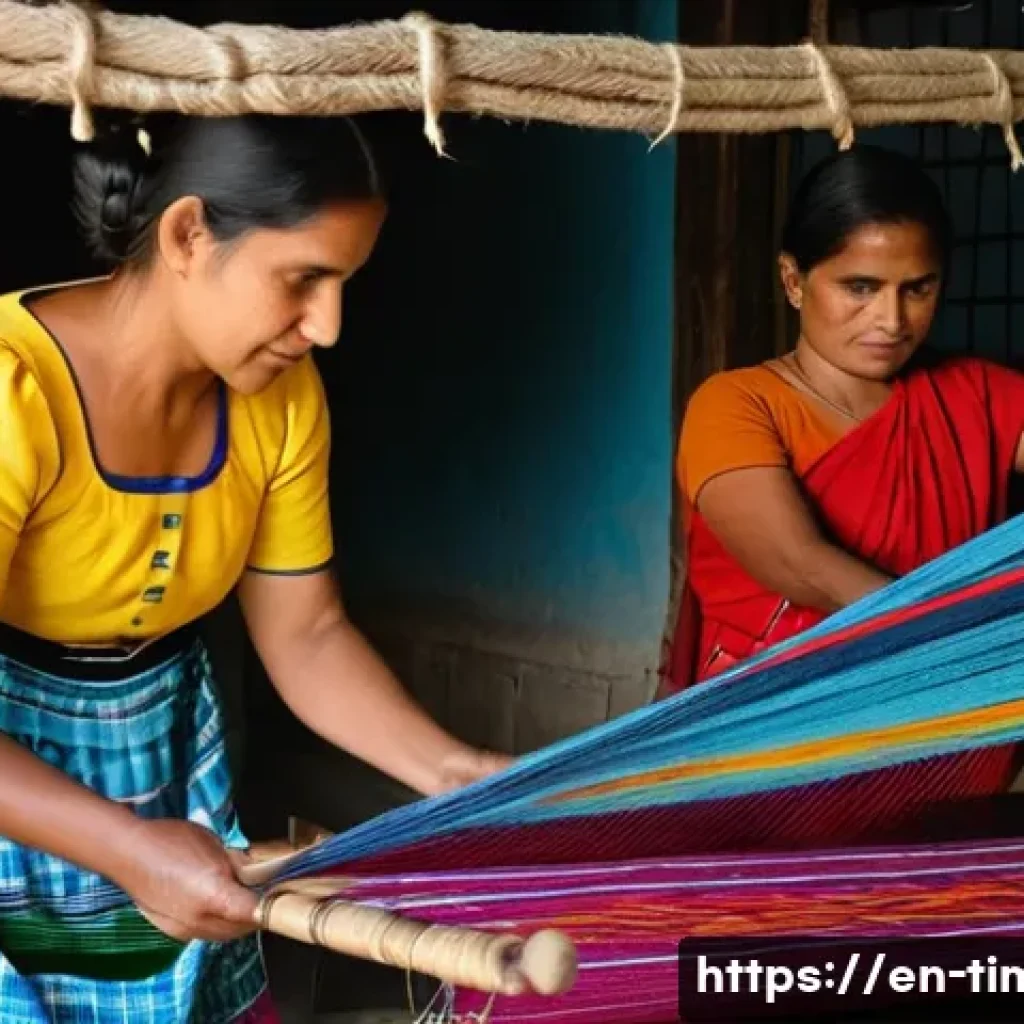
Stepping into a village in East Timor, one of the first things that truly grabs your attention is the vibrant display of Tais. It’s more than just a piece of fabric; it’s a living canvas, an intricate tapestry of identity, history, and profound cultural meaning. I remember seeing my first Tais market in Dili and being utterly mesmerized. The sheer variety of colors, patterns, and textures was astounding. Each pattern isn’t just a random design; it carries stories, symbols, and even ancestral blessings. You can literally feel the weight of generations in every woven thread. It’s truly incredible how these textiles embody so much of the Timorese spirit, resilient and beautiful, much like the people themselves. Learning about the specific motifs, which often depict local flora, fauna, or geometric shapes, felt like unlocking a secret language that has been spoken for centuries, a language that silently communicates belonging and heritage. I often find myself wondering about the hands that crafted each piece, the mothers and grandmothers passing on techniques, infusing their love and history into every creation. It’s a deep connection that you just don’t find with mass-produced items.
Each Thread a Story: Decoding Tais Patterns
When you start to look closely at Tais, you realize that every single piece tells a unique story, often about the specific region or even the family that created it. I’ve spoken with weavers who shared how certain colors are reserved for special ceremonies, while particular motifs might signify status, marital availability, or protection from evil spirits. It’s like a visual dialect, rich with nuances that a discerning eye can pick up on. For example, some patterns are strongly associated with particular clans or districts, making Tais a powerful emblem of identity. The techniques themselves are fascinating; traditional Tais is handwoven using backstrap looms, a labor-intensive process that can take weeks or even months to complete a single, elaborate piece. This dedication really makes you appreciate the artistry involved, knowing that each thread has been carefully placed with intention. I found myself drawn to the more geometric designs, which often represented abstract concepts or elements of nature, and truly felt like I was holding a piece of living history in my hands.
The Hands That Bind: Women, Tradition, and Empowerment
It’s impossible to talk about Tais without talking about the incredible women who are its guardians. Weaving Tais is traditionally a skill passed down from mother to daughter, making it a powerful symbol of female heritage and empowerment in East Timorese society. When I visited a women’s weaving cooperative, I was struck by the sense of community and shared purpose. These women weren’t just creating beautiful textiles; they were sustaining their families, preserving their culture, and building a future. The income generated from selling Tais often provides essential support for their households, allowing them to send their children to school or invest in their communities. It’s a fantastic example of how traditional crafts can thrive in a modern economy while maintaining their cultural integrity. I felt incredibly inspired by their dedication and resilience. It’s a skill that requires immense patience and precision, yet they perform it with such grace, often while caring for children or managing other household duties. It truly embodies the strength and spirit of Timorese women.
Sacred Sanctuaries: Unveiling the Mysteries of Uma Lulik
Beyond the vibrant textiles, another cornerstone of East Timorese tribal culture that captivated me was the Uma Lulik, or sacred house. These aren’t just ordinary buildings; they are the spiritual heartbeats of communities, living monuments that connect the present generation to their revered ancestors. I remember my first glimpse of an Uma Lulik – it was a towering, distinctive structure, often adorned with intricate carvings and a steeply pitched roof that seemed to reach for the heavens. There’s an undeniable aura of reverence around these places, a quiet power that you can almost feel in the air. Each Uma Lulik is unique, reflecting the specific traditions and ancestral lineage of the clan it represents. They serve as repositories of sacred objects, ceremonial sites for important rituals, and a focal point for communal gatherings. For me, it truly brought home the idea that spirituality isn’t just something reserved for formal religious services; it’s woven into the very fabric of daily life and community structure. It’s a powerful reminder of how deeply people are connected to their past and to the spiritual realm.
Architects of the Ancestral Realm: Building and Maintaining
The construction and maintenance of an Uma Lulik are deeply communal efforts, steeped in tradition and ritual. Building one isn’t just a construction project; it’s a sacred undertaking that involves the entire community, guided by elders and spiritual leaders. The materials used, often local timber and thatch, are chosen with care, and every step of the process is accompanied by ceremonies to ensure the house is imbued with positive energy and ancestral blessings. I learned that the architecture itself often carries symbolic meaning; the tall, pointed roofs, for instance, are sometimes said to represent the connection between the earthly and spiritual worlds. It’s fascinating how these structures, some of which have stood for centuries, are meticulously cared for, often undergoing repairs and renovations that continue to honor the original craftsmanship and spiritual significance. Seeing the community come together to tend to their Uma Lulik really showcases their collective commitment to their heritage, ensuring these vital links to the past remain strong for future generations. It’s a testament to their enduring cultural pride.
A Living Connection: Rituals Within the Sacred House
The Uma Lulik is the epicentre of much of East Timorese spiritual life, hosting a myriad of ceremonies and rituals that mark significant life events and maintain harmony within the community. These can range from rites of passage for young people entering adulthood to elaborate ceremonies seeking ancestral guidance for planting crops or resolving disputes. I was told stories of intricate ceremonies involving traditional dances, offerings, and prayers, all conducted within the sacred confines of the Uma Lulik. It’s where the community gathers to consult with elders, to make important decisions, and to reaffirm their collective identity. These rituals aren’t just ancient customs; they are vibrant, living practices that continue to shape the social fabric and provide a sense of continuity in a rapidly changing world. Witnessing the profound respect and devotion shown during these practices truly underscored the deep spiritual connection the people have with their ancestors and their heritage. It’s a space where the veil between worlds feels incredibly thin, and history truly comes alive.
Whispers of the Spirits: Animism and Faith in Harmony
One of the most captivating aspects of East Timorese tribal cultures is the beautiful and often seamless integration of ancient animistic beliefs with the more recently introduced Catholic faith. It’s not a clash of ideologies but rather a fascinating tapestry where different threads of spirituality intertwine to create something unique. I found that many Timorese people gracefully navigate both worlds, finding resonance in both ancestral reverence and Christian teachings. Animism, the belief that spirits inhabit natural objects and phenomena, is deeply embedded in their worldview, affecting everything from how they cultivate their land to how they interact with their environment. They believe in guardian spirits of the forests, rivers, and mountains, and show immense respect for the natural world around them. It’s a beautiful perspective that fosters a deep connection to the earth and a sense of responsibility for its care. You really feel the reverence for nature and the unseen world when you travel through the more rural areas, where ancient trees are treated with special regard and certain places are considered sacred. It truly brings a profound depth to their everyday existence.
Bridging Worlds: Ancestral Reverence and Daily Practices
The reverence for ancestors, known as ‘Lulik’ in many local languages, forms the bedrock of traditional Timorese spirituality. It’s a belief that ancestors continue to influence the living world, offering protection, guidance, and sometimes even warnings. This isn’t a distant, abstract concept; it’s a very real and present force in daily life. People will often make offerings at family altars, seek counsel from elders who act as intermediaries, and perform ceremonies to honor those who have passed on. I observed small, personal gestures of respect – a moment of quiet reflection before a meal, or a small offering left at a significant landmark. These acts reinforce the idea that the community extends beyond the living to include the ancestral spirits, creating a strong sense of continuity and belonging. It’s a humbling experience to witness such deep-seated respect for lineage and the understanding that we are all part of a larger, ongoing story. This ongoing dialogue between the living and the dead provides comfort, identity, and a moral compass for many. It’s a beautiful way to stay connected.
The Rhythm of Belief: Festivals and Spiritual Celebrations
East Timor’s calendar is punctuated by vibrant festivals and celebrations that beautifully blend traditional animistic practices with Catholic observances. These aren’t just religious holidays; they are powerful expressions of community, identity, and spiritual devotion. I was fortunate enough to witness a local harvest festival, which incorporated ancient rituals to thank the land spirits for their bounty alongside a Catholic mass. The air was thick with the scent of incense and traditional cooking, mingled with the sounds of chanting and joyous music. It was an explosion of color, sound, and heartfelt emotion, showcasing the harmonious coexistence of these spiritual paths. These events are crucial for reinforcing social bonds, passing on cultural knowledge to younger generations, and reaffirming the community’s connection to both the divine and the ancestral realm. You can feel the collective energy and devotion, a palpable sense of shared faith and tradition. It’s during these times that the true spirit of East Timor truly shines, a testament to their enduring faith and rich cultural heritage. These gatherings are truly unforgettable experiences.
Echoes of the Past: Oral Traditions and Community Life
In a world increasingly reliant on written records and digital archives, East Timor’s tribal cultures beautifully preserve their history and wisdom through rich oral traditions. Before coming here, I was very much used to learning about history from books, but here, history isn’t just read; it’s performed, sung, and recounted from generation to generation. Elders play a crucial role as the living libraries of their communities, holding vast repositories of knowledge about ancestral lineages, land rights, customary laws (known as ‘adat’), and epic myths that explain the origins of their people. It’s like having a direct line to the past, with stories that have been refined and retold over centuries, each telling a piece of the grand narrative. I remember sitting with an elder, listening to him recount tales of creation and ancient heroes, and it felt incredibly special, almost sacred. You truly grasp the depth of their culture when you realize how much of their understanding of the world is passed down through the power of spoken word, making every story a precious artifact. This emphasis on storytelling really fosters a strong sense of community and shared identity, as everyone is connected through these common narratives.
Storytellers and Keepers: Passing Down Wisdom
The act of storytelling in East Timorese communities is far more than mere entertainment; it’s a vital pedagogical tool and a sacred duty. From bedtime stories told by grandmothers to formal recitations during ceremonies, these narratives transmit moral lessons, historical facts, and practical knowledge. Children grow up immersed in these stories, learning about their cultural values, their place in the world, and their responsibilities to their family and community. It’s a holistic education system that ensures the continuity of their unique heritage. I’ve noticed how attentive young people are when an elder speaks, soaking up every word, knowing that this wisdom is invaluable. It’s a beautiful way to keep traditions alive, far more engaging than simply reading from a textbook. The vibrant details, the dramatic pauses, and the expressive gestures of the storyteller make the past come alive in a way that truly resonates. It truly highlights the importance of respect for elders and their invaluable role in shaping the future by preserving the past. It’s a captivating and effective method of cultural transmission.
From Generational Wisdom: Practical Life Lessons
Beyond myths and histories, oral traditions in East Timor also encompass a wealth of practical knowledge essential for daily life. This includes traditional agricultural techniques, understanding medicinal plants, navigation skills, and even conflict resolution strategies. These aren’t abstract theories but hard-earned wisdom, honed over centuries of living in harmony with the land. For example, local farmers often rely on generational knowledge of weather patterns and soil conditions, passed down through spoken advice and shared experience, rather than solely on modern scientific reports. I found it incredibly insightful to see how these practical ‘life hacks,’ passed from one generation to the next, contribute to their self-sufficiency and resilience. It’s a testament to the effectiveness of their ancestral wisdom in navigating the challenges of their environment. This kind of inherited knowledge creates a strong foundation for sustainable living and fosters a deep respect for the environment that sustains them. It’s truly incredible how much practical wisdom is embedded in their oral traditions, proving that sometimes the old ways are truly the best ways.
Feast and Fellowship: The Heartbeat of Timorese Hospitality
If there’s one thing that truly binds East Timorese tribal cultures together, it’s the profound spirit of hospitality and the central role of communal feasting. I’ve always found that food is a universal language, but in East Timor, it’s a language spoken with incredible warmth and generosity. From the moment you step into a village, you’re often met with an invitation to share a meal, a gesture that speaks volumes about their welcoming nature. These aren’t just casual gatherings; communal feasts are deeply significant events, marking everything from harvests and weddings to spiritual ceremonies and reconciliation processes. They are powerful expressions of social cohesion, reaffirming bonds between families and clans, and fostering a sense of collective identity. The atmosphere at these events is always electric – filled with laughter, lively conversation, and the rich aromas of traditional cooking. It’s an experience that goes beyond simply eating; it’s about sharing, connecting, and celebrating life together. I felt incredibly touched by the genuine warmth and openness I encountered, making me feel like an honorary member of their extended family, even if just for a short while. It truly exemplifies the heart of Timorese community spirit.
Flavors of the Land: Traditional Cuisine and Ingredients
The traditional cuisine of East Timor is a delightful reflection of its fertile land and rich cultural heritage. Based largely on staples like rice, corn, taro, and cassava, it incorporates fresh seafood from its abundant coastline and a variety of locally grown vegetables and fruits. What truly makes it special, though, are the unique flavors and cooking methods passed down through generations. I particularly enjoyed sampling ‘Saboko,’ a dish often cooked in bamboo with herbs and spices, which gives it an incredible, earthy flavor. The use of coconut milk is prevalent, adding a creamy richness to many dishes. Spices are used judiciously, creating subtle yet complex flavor profiles that are distinct to the region. Preparing these meals is often a communal activity, with women gathering to pound spices, clean ingredients, and tend to the cooking fires, turning meal preparation into another opportunity for fellowship and storytelling. It’s this sense of shared effort and joy in creating food together that makes it so much more than just sustenance; it’s an act of love and community. Every bite felt like a taste of their history and identity.
| Traditional East Timorese Staples | Common Preparation Methods | Cultural Significance |
|---|---|---|
| Rice | Boiled, sometimes mixed with coconut milk; often served with every meal. | Fundamental food source, often cultivated communally. |
| Corn (Milho) | Ground into flour for porridge (Batar Fulun) or boiled. | Important staple, especially in drier regions. |
| Cassava (Aifarina) | Boiled, fried, or processed into flour. | Resilient crop, providing sustenance during lean times. |
| Taro (Fehuk Midar) | Boiled, roasted, or used in stews. | Versatile root vegetable, often part of traditional feasts. |
| Coconut | Milk, flesh, and oil used in cooking and for other purposes. | Adds flavor and richness; widely used across the islands. |
Gathering Around the Fire: Communal Meals and Connection
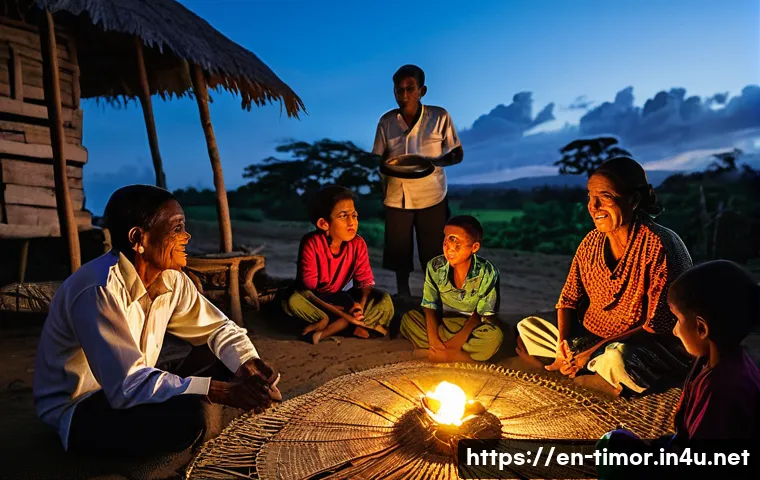
The act of sharing a meal around a communal fire is an ancient ritual that continues to be a cornerstone of social life in East Timorese villages. It’s a time for families and neighbors to come together, to share news, offer advice, and simply enjoy each other’s company. These gatherings are vibrant hubs of activity, where stories are told, songs are sung, and laughter rings out into the night. I found that these shared meals are not only about satisfying hunger but also about nourishing the soul and strengthening community bonds. Everyone has a role, whether it’s preparing food, serving guests, or simply engaging in lively conversation. It’s a truly inclusive experience where hierarchy often takes a backseat to fellowship. This tradition fosters a powerful sense of belonging and mutual support, reminding everyone that they are part of something larger than themselves. These are the moments that truly stick with you, the simple, heartfelt connections forged over shared food and stories, which paint a vivid picture of the warmth and generosity that define East Timorese hospitality. It’s a beautiful way to experience the genuine heart of the culture.
The Path Forward: Preserving Identity in a Modern World
As East Timor continues to develop and engage with the global community, its tribal cultures face the complex challenge of balancing progress with preservation. It’s a delicate tightrope walk, and I’ve observed firsthand the passionate efforts of many Timorese people to ensure their unique heritage isn’t lost amidst the tides of modernization. There’s a palpable determination to maintain their distinct identity, even as new technologies and external influences become more prevalent. This isn’t about rejecting modernity outright; it’s about finding ways for tradition and innovation to coexist, to draw strength from their roots while embracing the opportunities of the present. It makes you think about how all cultures grapple with change, but here, the commitment to ancestral ways feels particularly strong and vital. I’ve seen initiatives to teach traditional languages in schools, to promote local crafts to tourists, and to document oral histories before they fade. It’s an inspiring testament to their resilience and their profound understanding that a nation’s true wealth lies in its cultural soul. This forward-looking approach to preservation is truly commendable and offers a hopeful vision for the future.
Balancing Act: Tradition Meets Global Influence
Navigating the influx of global culture, from media to fashion, presents both challenges and opportunities for East Timor’s traditional societies. On one hand, there’s the risk of younger generations becoming disconnected from their heritage, drawn to external trends. On the other, global exposure can also highlight the value of their unique customs, sparking a renewed appreciation and even creating new markets for traditional crafts like Tais. I’ve met young Timorese artists who are ingeniously incorporating traditional motifs into contemporary art, bridging the gap between old and new. They’re finding ways to express their identity in fresh, relevant forms, which is incredibly exciting to witness. It’s not about being stuck in the past, but about using the past as a launching pad for new creativity and cultural expression. This dynamic interplay showcases the adaptability and strength of their traditions, proving that heritage can be a source of constant inspiration, not just a historical relic. It truly is a fascinating process to observe, full of creative solutions and a strong sense of pride.
Inspiring Futures: Young Generations Embracing Heritage
Perhaps the most hopeful sign for the future of East Timor’s tribal cultures is the growing enthusiasm among younger generations to embrace and champion their heritage. Far from seeing traditional practices as outdated, many young Timorese are actively involved in learning ancient dances, mastering traditional music, and understanding the significance of their ancestral rituals. I had the privilege of seeing a group of teenagers perform a traditional dance with incredible precision and passion; their energy was infectious, and it was clear they understood the deeper meaning behind every movement. These young people are not only learning but also innovating, finding contemporary ways to celebrate and share their culture, ensuring that these rich traditions continue to evolve and thrive. They are the torchbearers, carrying the flame of their ancestors into the future, and their dedication is truly inspiring. It speaks volumes about the enduring power and appeal of their cultural roots, proving that heritage, far from being a burden, is a vibrant source of pride and identity for the generations to come. It’s a beautiful cycle of learning and continuity.
Wrapping Up Our Journey
As our deep dive into East Timor’s tribal cultures comes to a close, I hope you’ve felt the same profound connection and awe that I did exploring these vibrant traditions. It’s truly a place where history isn’t just recorded in books, but lives and breathes in every woven Tais, every sacred Uma Lulik, and every shared meal. The resilience and warmth of the Timorese people, their unwavering commitment to their heritage, is nothing short of inspiring. Visiting here isn’t just a trip; it’s an immersion into a world where community, spirituality, and ancestral wisdom guide everyday life, leaving an indelible mark on your soul. It’s a journey that really makes you reflect on the power of culture and connection.
Handy Tips for Your Next Adventure
1. Embrace Respectful Exploration: When visiting East Timor, especially tribal villages or sacred sites like the Uma Lulik, always remember that you are a guest in someone’s living history. I learned quickly that a little humility goes a long way. Dress modestly, particularly if you plan to visit a church or a traditional house. Always ask permission before taking photos of people, and if you’re invited to a local home, a small gift or offering, even just a kind gesture, is deeply appreciated. Showing genuine respect for their customs, elders, and spiritual beliefs will not only enrich your experience but also foster a beautiful connection with the local community. It really makes a difference in how you’re welcomed.
2. Learn a Few Local Phrases: While many Timorese people, especially in urban areas, speak some English or Portuguese, making an effort to learn a few basic Tetum phrases can truly open doors. Simple greetings like “Bondia” (Good morning), “Obrigadu/Obrigada” (Thank you – male/female speaker), and “Di’ak ka lae?” (How are you?) will be met with huge smiles and genuine appreciation. I found that even stumbling through a few words immediately broke the ice and conveyed my respect for their language and culture. It transforms a simple interaction into a memorable cultural exchange, making you feel more connected to the place and its people.
3. Support Local Artisans Directly: The Tais textiles we discussed earlier are more than just beautiful souvenirs; they are the livelihood of many Timorese women and a vital part of their cultural preservation. If you’re looking to purchase Tais, try to buy directly from weaving cooperatives or individual artisans in the villages. This ensures that your money directly benefits the talented women who painstakingly create these masterpieces, rather than going through multiple intermediaries. You’ll not only take home an authentic piece of art but also contribute meaningfully to sustaining their traditional craft and empowering local communities. It feels so much better knowing you’re truly supporting them.
4. Prepare for a Different Pace of Life: East Timor operates on its own unique rhythm, often referred to as “Tempo Timor” (Timor Time). Things might not always run on a strict schedule, and patience is definitely a virtue here. Public transport can be informal, and plans might change spontaneously. Instead of getting frustrated, try to embrace this relaxed pace. It’s an opportunity to slow down, observe, and truly soak in the surroundings. I found that letting go of my usual hustle-and-bustle mindset allowed me to appreciate the present moment and the natural flow of life, leading to some of my most cherished, unexpected encounters. It’s a gentle reminder to just breathe.
5. Cash is King (and Connectivity Varies): While credit cards are accepted in some larger establishments in Dili, once you venture out into more rural areas, cash (US Dollars are the official currency) is almost exclusively what you’ll need. Make sure to carry smaller denominations. Additionally, internet and mobile phone coverage can be spotty outside of major towns, so don’t rely solely on digital maps or online communication. I always advise downloading offline maps and letting loved ones know that you might be off the grid for a bit. Being prepared for limited connectivity means you can fully immerse yourself without the worry, and truly disconnect to reconnect with the world around you. It’s a freeing feeling!
Key Takeaways
East Timor’s tribal cultures are an extraordinary tapestry woven with threads of deep respect for ancestry, vibrant artistic expression, and an unwavering sense of community. From the intricate narratives embedded in every Tais textile to the spiritual heartbeats of the Uma Lulik, these traditions are not relics of the past but living, breathing forces that shape the present and guide the future. The harmonious blend of animistic beliefs with newer faiths, the power of oral traditions, and the unparalleled warmth of Timorese hospitality all paint a picture of a nation rich in spirit and resilience. What truly stands out is the profound effort by both elders and younger generations to preserve this unique identity while gracefully navigating the complexities of a modernizing world. It’s a powerful testament to the enduring human spirit and the invaluable wealth found in cultural heritage, reminding us all of the beauty in staying connected to our roots. This journey really opened my eyes to the incredible strength and beauty of their collective identity.
Frequently Asked Questions (FAQ) 📖
Q: What’s truly at the heart of East Timor’s captivating tribal cultures that makes them so uniquely mesmerizing, from a traveler’s perspective?
A: Oh, if you’re anything like me, you’ll be absolutely spellbound by two things that truly embody the spirit of East Timor: the sacred Tais textiles and the awe-inspiring Uma Lulik, or ‘sacred houses.’ When I first saw a woman meticulously weaving a Tais, it wasn’t just fabric; it felt like she was weaving history itself.
Each pattern isn’t just decorative; it’s a living story, a generational whisper passed down through touch and tradition, telling tales of ancestors and community bonds.
Honestly, holding a piece of Tais, you can almost feel the echoes of time in its threads. Then there are the Uma Lulik. These aren’t just buildings; they’re vibrant, breathing links to the past, standing sentinel over communities.
Stepping near one, you sense the deep reverence, the tangible connection to ancestors that permeates daily life. It’s not just architecture; it’s a living monument to their spiritual landscape, where animistic beliefs and Catholic faith beautifully intertwine.
It’s an experience that truly connects you to something ancient and profound.
Q: In a world constantly rushing forward, how have East Timor’s traditional customs and beliefs managed to hold their ground and even thrive?
A: That’s a question I’ve pondered quite a bit, and honestly, the resilience of these traditions is nothing short of incredible. What I’ve observed, and what truly sticks with you, is the profound commitment of the people.
It’s not just about maintaining old ways for the sake of it; it’s a deep-seated identity. Centuries of colonial influences, external pressures, and the rapid pace of modern change could easily have eroded such unique heritage.
Yet, the Tais weaving continues to be passed from mother to daughter, the Uma Lulik remain central to community life, and the blend of ancient animism with Catholic faith has created a unique, adaptive spiritual landscape.
It’s like a living testament to human spirit and determination. I truly believe it’s because these traditions aren’t just rituals; they’re the very heartbeat of their community, providing solace, identity, and continuity in an ever-changing world.
It’s a powerful lesson in holding onto what truly matters.
Q: Why should someone like myself, perhaps far removed from these ancient ways, care about preserving East Timor’s unique indigenous cultures in our modern, interconnected world?
A: That’s a fantastic question, and one I think about often! For me, it boils down to the sheer richness and diversity they bring to our global tapestry.
In a world that sometimes feels like it’s becoming more and more homogenized, places like East Timor offer a vibrant reminder of the incredible spectrum of human experience and ingenuity.
When we lose an indigenous language, a weaving technique, or a sacred architectural style, we don’t just lose something local; we lose a piece of humanity’s collective heritage, a unique way of understanding the world.
These cultures, with their deep wisdom, their sustainable practices, and their strong community bonds, offer invaluable lessons for our own societies.
As someone who’s always searching for authentic experiences and deeper meaning, I’ve found that engaging with and supporting these traditions isn’t just about preserving the past; it’s about enriching our shared future and understanding the delicate, beautiful balance between progress and tradition.
It truly expands your own perspective in ways you might not expect.