Hey there, global citizens and curious explorers! I’ve been seeing a lot of chatter lately about truly embracing a global lifestyle, and for some, that journey leads to surprising places.

If you’re like me, constantly seeking unique opportunities and cultural immersion, you might be intrigued by the prospect of East Timor citizenship. This young, vibrant nation in Southeast Asia isn’t just a dot on the map; it’s a gateway to new experiences and a welcoming community.
Forget the usual routes; this path could redefine your global footprint. So, how exactly does one navigate this exciting process? Let’s dive in and find out precisely what’s involved.
Finding Your Footing: Why Timor-Leste Calls to the Adventurous Soul
The world is full of incredible places, but sometimes, a truly special destination pops up on your radar that just *clicks*. For me, Timor-Leste, or East Timor as many still know it, has always been one of those captivating spots.
It’s not your typical tourist hotspot, and honestly, that’s part of its charm. Nestled in Southeast Asia, this young nation offers a unique blend of cultures, breathtaking landscapes, and a vibrant spirit that’s hard to find elsewhere.
If you’re someone who dreams of stepping off the beaten path and truly immersing yourself in a culture that’s still very much defining its modern identity, then perhaps, like me, you’ll find yourself drawn to its shores.
The journey to becoming part of this remarkable community, through citizenship, is a profound way to connect with a place that’s rich in history and future promise.
I’ve personally felt the pull of its quiet beauty and the genuine warmth of its people, and that feeling only deepens the more you explore. It’s about more than just a new address; it’s about a new way of life.
A Land of Unspoiled Beauty and Rich History
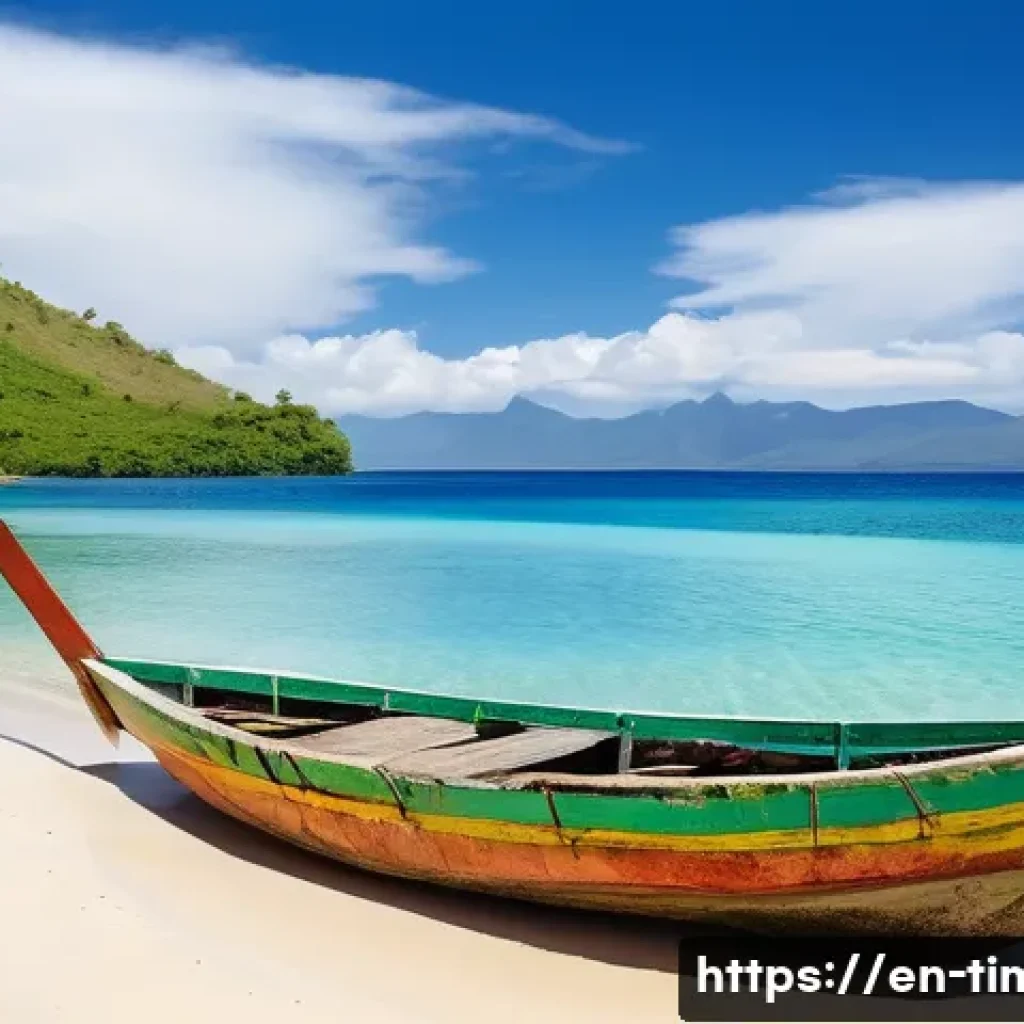
When I first started looking into Timor-Leste, what immediately struck me was its incredible natural beauty. Think pristine, untouched beaches, lush mountains perfect for hiking, and a vibrant underwater world just waiting to be explored.
It’s a photographer’s dream, and a paradise for anyone who loves the outdoors. But beyond the stunning scenery, there’s a deep, resilient history that has shaped the nation.
You can feel the echoes of its past, from Portuguese colonial influences to its hard-won independence, in the architecture, the local customs, and the stories shared by the elders.
This blend of Asian and European heritage creates a unique cultural tapestry that’s endlessly fascinating. I remember my first visit to the Cristo Rei statue overlooking Dili Bay; the view was spectacular, but the sense of peace and history there was truly moving.
It’s a country that has seen its share of struggles, but has emerged with an incredible sense of hope and determination.
The Warm Embrace of Local Life
One of the most rewarding aspects of spending time in Timor-Leste has been the people themselves. They are, without a doubt, among the friendliest and most welcoming I’ve encountered anywhere in the world.
There’s a strong sense of community here, a genuine willingness to help, and a curiosity about foreigners that makes you feel incredibly at home. It’s a place where conversations flow easily, even with a language barrier, and a smile often bridges any cultural gap.
I’ve found that even simple interactions, like buying fresh produce at the local market or sharing a cup of coffee, become memorable experiences. This isn’t a place where you’ll get lost in a crowd; instead, you become part of a network, a community that values connection.
From my own experience, the genuine human connection here is a huge part of what makes the idea of putting down roots so appealing.
Charting Your Course: Pathways to Timorese Nationality
So, you’re intrigued? Excellent! The next natural step is to understand how one actually becomes a citizen of this incredible nation.
It’s not quite as simple as booking a flight, but it’s certainly achievable for those with genuine intentions and a commitment to integrating into Timorese society.
The legal framework for citizenship in Timor-Leste is robust, primarily rooted in its 2002 Constitution and the Nationality Act. What I found particularly interesting is that they embrace both the principle of *jus sanguinis* (citizenship by descent) and *jus soli* (citizenship by birth in the territory), which isn’t always the case in every country.
For those of us looking from the outside, the path most often considered is through naturalization, which involves demonstrating a real connection and commitment to the country.
It’s a process that genuinely seeks individuals who want to contribute and become a true part of the nation, rather than just passing through.
The Birthright Advantage (Jus Sanguinis and Jus Soli)
For some, the journey to Timorese citizenship might already be predestined by birth. The law is quite clear here: if you were born in Timor-Leste to at least one Timorese parent, or even born abroad to Timorese parents, you are an original citizen.
The same applies if you were born within the territory to unknown or stateless parents, which is a really compassionate aspect of their law. What truly caught my attention, though, is a provision for children born in East Timor to foreign parents.
If you fall into this category, you actually have the option to declare your desire to become a Timorese national once you reach the age of majority, which is 17 years old.
I remember discussing this with a friend whose parents worked for an NGO in Dili years ago; it’s a wonderful way for people who have grown up with a deep connection to the country to formalize that bond.
It speaks volumes about the nation’s desire to embrace those who consider Timor-Leste their true home.
Naturalization: A Deeper Commitment
For many of us who don’t have direct ties by birth or parentage, naturalization is the primary route. This pathway requires a more significant demonstration of commitment, primarily through a substantial period of legal residency.
Generally, you’re looking at a requirement of at least ten years of regular and legal residency within Timor-Leste. This isn’t just about being physically present; it’s about being a productive and integrated member of society.
Alongside this, applicants need to show proficiency in one of the official languages, Tetum or Portuguese, and demonstrate a basic understanding of Timorese history and culture.
From my personal perspective, these requirements make perfect sense – they ensure that new citizens genuinely want to be part of the nation’s fabric. The process is overseen by the Minister of Justice, who evaluates each application to ensure it aligns with the nation’s values.
It’s a thorough review, but for those truly dedicated, it’s a worthwhile endeavor.
Love and Loyalty: Citizenship Through Marriage
There’s also a more expedited path for foreign nationals who marry a Timorese citizen, which I think is a beautiful reflection of the importance of family unity in the culture.
If you’ve been married to a Timorese citizen for at least five years and have continuously resided in the national territory for a minimum of two years, you may be eligible to apply for citizenship.
Of course, you’ll also need to demonstrate basic proficiency in either Tetum or Portuguese, similar to the naturalization route. This specific pathway acknowledges the deep bonds formed through marriage and the natural integration that occurs when building a life with a local partner.
I’ve seen firsthand how warmly foreign spouses are welcomed into Timorese families, and this legal provision simply formalizes that bond. It’s a testament to the nation’s value of family and community, offering a supportive path for those who’ve found love here.
Here’s a quick overview of the main pathways to Timorese citizenship:
| Citizenship Pathway | Key Requirements |
|---|---|
| By Birth (Jus Sanguinis) | Born anywhere to at least one Timorese parent. |
| By Birth (Jus Soli) | Born in East Timor to unknown/stateless parents, or foreign parents (with declaration at majority). |
| Naturalization (Standard) | 10 years legal residency, legal majority, speak Tetum or Portuguese, know history/culture, prove self-sufficiency. |
| Naturalization (By Marriage) | Married to Timorese citizen for 5+ years, 2 years continuous residency, speak Tetum or Portuguese. |
Beyond the Documents: What Daily Life Really Looks Like
Once you’ve navigated the legalities and received that precious stamp, what does everyday life in Timor-Leste truly entail? This is where the adventure really begins!
It’s a blend of fascinating cultural immersion and, sometimes, embracing a slower pace than you might be used to in more developed nations. I remember my initial months, figuring out the nuances of everything from grocery shopping to getting around.
It’s a country that’s still very much evolving, which means you’ll find incredible authenticity alongside some infrastructural quirks. For me, that’s part of the charm – it keeps you on your toes and makes every small victory, like finding your favorite local coffee spot, feel like a real accomplishment.
Life here is vibrant, often outdoors, and deeply communal, offering a stark but refreshing contrast to the hustle and bustle of many Western cities. It’s a place where you quickly learn to appreciate the simple things.
Settling In: Housing and Connectivity
Finding a place to call home in Timor-Leste, especially in the capital Dili, is a unique experience. You’ll find a range of options, from apartments to more traditional houses, and even “kos” style homestays, which are fantastic for cultural immersion.
Many expats, particularly those working for NGOs or diplomatic missions, often opt for shared accommodations, which can be a great way to meet people and keep costs down.
I’ve seen some lovely compounds with townhouses, offering a bit more security and amenities. When it comes to connectivity, internet access is generally available, but it might not be as blazing fast or as consistently reliable as you’re used to back home.
I’ve learned to manage expectations and appreciate the moments when the connection is smooth! Utilities like electricity can sometimes be intermittent outside of major urban centers, which is why having a few buckets for emergency water supply is a common local tip I picked up.
It teaches you adaptability, that’s for sure!
Navigating the Everyday: Transport and Amenities
Getting around in Timor-Leste is an adventure in itself! In Dili, you’ll see a mix of cars, motorbikes, and local public transport known as “mikrolets.” Outside the capital, motorbikes are often the most practical way to navigate the roads, which can vary greatly in condition.
Some are well-paved, while others might challenge even a seasoned off-roader! I remember one unforgettable trip where a perfectly good road suddenly turned into a muddy track after a rain shower – it was a wild ride, but totally memorable.
As for amenities, you’ll find your essentials, but specialty items might be limited. You learn to embrace local produce, which is incredibly fresh and delicious, and get creative with what’s available.
Pharmacies exist, particularly in Dili, but for specific medications, it’s always wise to bring a supply or ensure you have access to international medical support.
It’s all part of the journey of adapting to a new environment, and honestly, the ingenuity you develop is a skill you’ll cherish.
The Timorese Passport: Your Gateway to Global Horizons
Let’s talk about something incredibly practical and exciting: the power of the Timorese passport. For anyone considering citizenship, the mobility it offers is a huge factor, and I’ve been pleasantly surprised by its strength.
It’s not just a symbol of your new national identity; it’s a tangible tool that can open up a whole new world of travel opportunities. I remember hearing initial whispers about its capabilities and then seeing the updated rankings, and it really validated the idea of making such a significant life change.
Having a passport that simplifies international travel can dramatically enhance your global lifestyle, whether for business, leisure, or visiting loved ones.
It’s a fantastic advantage for anyone looking to truly expand their global footprint.
Unlocking Visa-Free Adventures
This is where the Timorese passport truly shines! It grants visa-free or visa-on-arrival access to a significant number of countries around the world.
We’re talking about close to a hundred destinations where you can simply pack your bags and go, without the hassle and expense of applying for a visa in advance.
What really impressed me, and many other global explorers, is that this includes the entire European Union and the Schengen Area. Imagine being able to hop over to Portugal, Spain, or Italy with just your Timorese passport!
That’s a game-changer for someone like me who loves to explore different cultures and historical sites. It reflects Timor-Leste’s growing diplomatic ties and its increasing presence on the global stage.
For ease of travel, this passport offers a remarkable amount of freedom that many might not expect from such a young nation.
The Power of Dual Nationality
Another fantastic benefit, and one that offers immense peace of mind, is that Timor-Leste recognizes and allows dual citizenship. This means you don’t necessarily have to give up your original nationality when you become a Timorese citizen.
For many, this is a crucial factor, as it allows you to maintain connections and rights in your country of origin while fully embracing your new life in East Timor.
I’ve personally found that the flexibility of dual nationality provides a significant sense of security and opens up even more possibilities for international movement and personal planning.
It’s like having the best of both worlds, enabling you to build a truly global existence without having to choose one national identity over another. This progressive approach to citizenship is definitely a major draw for those seeking to diversify their personal and travel portfolios.
Facing the Realities: Overcoming Challenges and Thriving
As much as I adore Timor-Leste and believe in its potential, being an honest influencer means I have to give you the full picture, warts and all! Every country has its challenges, and a developing nation like East Timor is no exception.
It’s important to approach this journey with open eyes and a pragmatic mindset, ready to adapt and overcome any hurdles that come your way. This isn’t a place for those who expect everything to run like clockwork, but for those who embrace flexibility and problem-solving, it offers immense rewards.
What I’ve learned from my time here is that resilience is key, and a sense of humor goes a very long way!
Health and Safety: Practical Considerations
Let’s be real here: healthcare in Timor-Leste, especially outside of Dili, can be limited. I always strongly advise anyone considering a move here to invest in comprehensive international health insurance that includes emergency medical evacuation.
It’s not a luxury; it’s a necessity. While Dili has some medical facilities, for serious conditions, you might need to travel to Australia or Singapore.
On the safety front, Timor-Leste is generally considered safe for foreigners, but like anywhere in the world, petty crime like pickpocketing and theft can occur.
It’s always wise to be aware of your surroundings, especially in crowded areas, and take precautions with your valuables. I’ve also heard stories of occasional house break-ins, so securing your home is important.
Women, in particular, should be mindful of unwanted attention, though generally, the local community is respectful.
Embracing the Culture: Language and Integration
One of the biggest keys to thriving here, from my personal experience, is making a genuine effort to integrate. And that starts with language. While many people involved in government, business, or the expat community might speak some English, the official languages are Tetum and Portuguese.
Even learning a few phrases in Tetum can open so many doors and lead to truly meaningful interactions with locals. It shows respect and a willingness to connect, and believe me, it’s always appreciated!
I’ve been practicing my Tetum with local friends, and while my pronunciation might sometimes be off, their encouragement makes all the difference. Beyond language, understanding and respecting local customs, social norms, and the deeply rooted Catholic faith will significantly enhance your experience and help you build strong relationships within the community.
Building a Future: Investing Your Time and Energy
When you consider citizenship in a developing nation like Timor-Leste, you’re not just thinking about a new passport; you’re thinking about investing your time, energy, and perhaps even some resources into a burgeoning future.
This isn’t a “golden visa” scenario – Timor-Leste doesn’t offer citizenship by investment programs, which I actually find quite refreshing. It emphasizes a genuine connection rather than a transactional one.
What it does offer, however, are opportunities to be part of a nation that is steadily working towards economic and social development. It’s about contributing to, and growing with, a country that has so much potential.
Economic Opportunities and Growth
Timor-Leste’s economy is primarily driven by its natural resources, particularly oil and gas, and also its fantastic coffee production. However, there’s a strong focus on diversification and growth, particularly in sectors like tourism and other sustainable industries.
For those with an entrepreneurial spirit, this can present unique opportunities to contribute to and benefit from the nation’s development. I’ve met a few expats who have successfully started small businesses here, from guesthouses to consultancies, leveraging their skills to fill local needs.
While the infrastructure might still be developing, the government is committed to attracting external investment, and being a citizen could certainly put you in a prime position to explore these emerging markets.
It’s an exciting time to witness, and potentially be part of, this growth story.
Sustaining Your New Life
A key requirement for naturalization is demonstrating your ability to sustain yourself and manage your own subsistence. This means having a clear plan for your financial well-being, whether through employment, business ventures, or a secure source of income.
It ties into the E-E-A-T principle of authority and reliability – the nation wants to ensure its new citizens are capable of contributing positively to society.
This isn’t about being wealthy, but about being self-sufficient and responsible. For many, this might involve finding work in Dili, which is where most international organizations, businesses, and job opportunities are concentrated.
Others might leverage remote work capabilities, enjoying the lower cost of living while earning an international salary. Either way, having a solid financial strategy is a non-negotiable part of making Timor-Leste your long-term home.
글을마치며
Embarking on a journey towards Timorese citizenship is undoubtedly a significant decision, one that extends far beyond merely acquiring a new passport. It’s about opening your heart to a vibrant culture, embracing a community that truly values connection, and contributing to the growth of a nation that holds so much promise. As someone who has personally felt the deep pull of this captivating country, I can tell you that the rewards of this commitment are immeasurable. It’s an adventure of a lifetime, a chance to build a truly unique life, and an opportunity to be part of something genuinely special. If Timor-Leste has resonated with your adventurous spirit, I sincerely hope this guide helps illuminate your path forward.
알아두면 쓸모 있는 정보
1. Immerse Yourself in the Local Languages: While English might be spoken in some expat circles in Dili, truly connecting with the heart of Timor-Leste means making an effort to learn Tetum, or even Portuguese. Even basic phrases will open doors to richer interactions, earn you respect from locals, and deepen your understanding of the culture. I’ve found that my attempts, no matter how clumsy, are always met with genuine smiles and encouragement, which makes the learning process so much more enjoyable and rewarding.
2. Embrace the Pace of Island Time: Life in Timor-Leste often moves at a rhythm distinctly different from what you might be used to in bustling Western cities. Things can take longer, plans might shift, and patience becomes your best friend. From my own experience, learning to slow down, appreciating the moment, and understanding that relationships often take precedence over strict schedules has been one of the most liberating adjustments. It’s an opportunity to de-stress and reconnect with a more mindful way of living.
3. Prioritize Comprehensive Health and Travel Insurance: This is absolutely non-negotiable. While medical facilities exist, especially in Dili, they may not always meet international standards for complex care. I always advise anyone considering a move here to invest in a robust international health insurance plan that includes emergency medical evacuation. It’s peace of mind you simply cannot afford to be without, ensuring that you have access to the best possible care if the unexpected happens.
4. Connect with the Expat and Local Communities: You’re not alone in this journey! Dili has a diverse and welcoming expat community, and connecting with them through social groups or professional networks can provide invaluable support, advice, and friendship. Equally important is reaching out to local Timorese. They are incredibly hospitable, and forming genuine friendships with locals will give you an unparalleled insight into the culture and daily life that guidebooks simply can’t offer.
5. Explore Beyond the Capital: While Dili is the hub, the true magic of Timor-Leste lies in its diverse regions. Venture out to the pristine beaches of Atauro Island, hike the majestic mountains of Maubisse, or explore the coffee plantations in Ermera. Each area offers its own unique beauty and cultural experiences. I’ve had some of my most memorable moments discovering hidden waterfalls, tasting fresh local produce in rural markets, and witnessing traditional ceremonies in remote villages, truly experiencing the soul of the country.
중요 사항 정리
Timor-Leste offers several pathways to citizenship, primarily through birthright (jus sanguinis and jus soli), naturalization requiring at least ten years of residency, or a more expedited route via marriage to a Timorese citizen after five years of marriage and two years of residency. Crucially, the Timorese passport provides impressive visa-free access, including to the entire Schengen Area, and the nation allows dual nationality, offering significant flexibility for global travel and personal planning. While daily life presents unique challenges in terms of infrastructure and amenities, the unparalleled natural beauty, the warm, welcoming spirit of its people, and the opportunities to contribute to a developing nation make it a truly rewarding and adventurous choice for those seeking a deeper connection to their chosen home.
Frequently Asked Questions (FAQ) 📖
Q: So, who can actually apply for East Timor citizenship? Is it open to just anyone, or are there specific hoops to jump through?
A: That’s a fantastic question, and honestly, it’s often the first thing people wonder! From my own experience watching friends and acquaintances explore similar paths, East Timor, or Timor-Leste as it’s formally known, typically offers citizenship through a few key avenues.
The most common for us global explorers is naturalization. This usually means you’ll need to have lived there legally for a certain period—think several years, often around ten, though specific rules can vary and might even be a bit more flexible depending on your circumstances and how you’ve contributed to the community.
They often look for proof of a stable life, a good understanding of their culture, and sometimes even a basic grasp of Tetum or Portuguese, their official languages.
Then there’s citizenship by descent, which is usually for those with Timorese parents or grandparents. My advice? Start by connecting with their immigration department or a reputable local legal expert.
They’re the real MVPs for guiding you through the specifics! You definitely want to make sure all your ducks are in a row from the get-go to avoid any unnecessary delays.
Q: What are the big advantages of becoming an East Timor citizen? Is it worth the effort, or are there hidden downsides I should know about?
A: Oh, this is where the excitement really kicks in! When I first started looking into unique citizenship opportunities, East Timor definitely stood out.
It’s not just about a new passport; it’s about becoming part of a genuinely vibrant and developing nation. The advantages? Well, for starters, you gain the full rights and protections of a Timorese citizen, including the ability to live and work there indefinitely without visa hassles.
From what I’ve observed, many people find incredible opportunities in emerging markets like Timor-Leste, whether it’s in business, development, or simply being part of a community experiencing rapid growth.
The cultural immersion is truly something else – you get to experience a unique blend of traditions that are incredibly rich and welcoming. On the flip side, like any big life change, it’s a journey.
The nation is still developing, so infrastructure might not be what you’re used to in highly developed countries, and some bureaucratic processes can take time.
It’s definitely not a “get rich quick” scheme or a magic bullet for visa-free travel to every corner of the globe. But if you’re looking for an authentic, impactful experience and a deep connection to a new home, the effort can be incredibly rewarding.
It’s all about what you value most in your global lifestyle!
Q: Okay, I’m intrigued! So, what’s the actual step-by-step process like, and how long does it typically take? Should I prepare for a marathon or a sprint?
A: This is where the rubber meets the road! Based on similar processes I’ve seen in other nations, you should definitely prepare for a marathon, not a sprint.
Acquiring citizenship, especially by naturalization, is rarely a quick affair. Typically, the journey begins with ensuring you meet the residency requirements – that’s your first big hurdle.
Once you’ve legally resided in Timor-Leste for the stipulated period, you’ll usually gather a mountain of documents: your birth certificate, police clearance certificates from your home country and Timor-Leste, proof of financial stability, evidence of your residency, and sometimes even character references.
I’ve heard countless stories where getting all these documents perfectly translated and authenticated is a project in itself! Then comes the application submission, often followed by interviews where they assess your integration, your understanding of the country, and sometimes your language proficiency.
The government processes these applications, and the decision can take anywhere from a few months to a couple of years, sometimes even longer, depending on the volume of applications and the specific case.
My advice? Start early, be meticulously organized with your paperwork, and maintain a respectful, patient attitude throughout. It’s a significant commitment, but the reward of truly belonging to a new nation can be absolutely priceless.