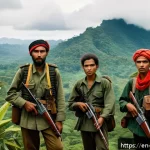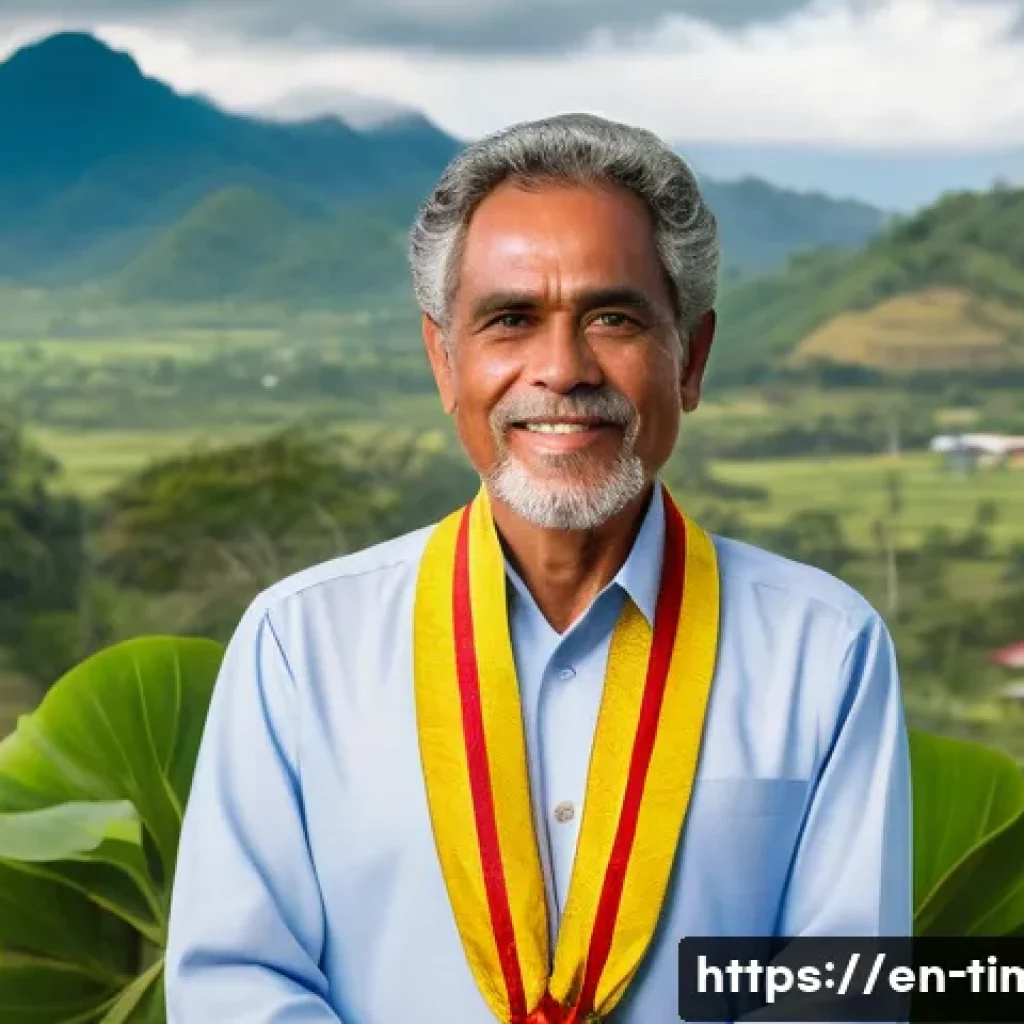
East Timor’s journey to independence is marked by resilience and courage, with its first president playing a pivotal role in shaping the nation’s identity.
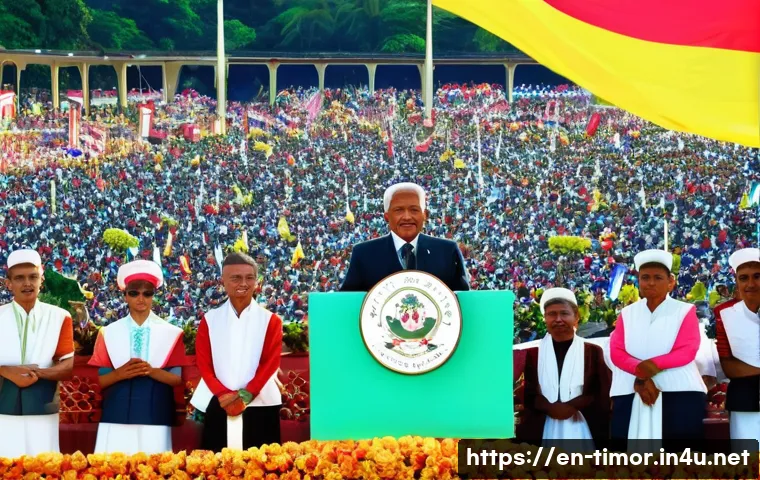
As a symbol of hope and determination, this leader navigated immense challenges during a turbulent period of history. Understanding their story offers insight into how East Timor emerged onto the global stage.
Their leadership not only united a nation but also inspired future generations. Let’s dive deeper into the remarkable life and legacy of East Timor’s inaugural president.
Get ready to uncover the details in the following section!
Foundations of Leadership Amidst Struggle
Early Life and Formative Influences
The first president’s upbringing was deeply intertwined with the social and political upheavals of East Timor. Growing up during colonial rule, he witnessed firsthand the injustices faced by his people, which ignited a passion for justice and self-determination.
His education, often disrupted yet persistent, was marked by exposure to nationalist ideas and the growing desire for independence. These early experiences laid the groundwork for his unwavering commitment to the cause of East Timorese sovereignty.
In many conversations and interviews, he reflected on how these formative years shaped his vision of a united and free nation.
Emergence as a National Figure
Before becoming president, he was deeply involved in grassroots movements that championed East Timor’s right to self-rule. His ability to communicate with diverse communities and articulate a clear, hopeful vision made him a natural leader.
He demonstrated remarkable resilience, often facing intimidation and threats, yet remained steadfast. His leadership during protests and negotiations earned him respect both locally and internationally.
Through these efforts, he cultivated a reputation as a symbol of hope, capable of bridging divides and inspiring collective action.
Challenges in the Early Days of Leadership
Taking office during a time of instability meant confronting numerous obstacles: hostile neighboring forces, internal divisions, and limited resources.
His presidency was marked by efforts to establish governmental structures, manage diplomatic relations, and secure international support. This period demanded not only political acumen but also emotional endurance, as setbacks and betrayals were common.
His personal sacrifices, including time away from family and constant security risks, underscored the heavy burden of leadership. Nevertheless, his determination to see East Timor thrive never wavered.
Building a New Nation’s Identity
Fostering Unity Among Diverse Communities
East Timor’s population is culturally diverse, comprising various ethnic groups and languages. The first president recognized that nation-building required more than political independence; it needed a shared identity that could unite these groups.
He promoted policies that respected cultural differences while encouraging a common narrative centered on freedom and resilience. This delicate balance involved dialogue with community leaders and inclusive national celebrations that highlighted shared values.
His approach helped ease tensions and build a foundation for lasting peace.
Establishing Governance and Institutions
One of his most significant contributions was the creation of governmental frameworks suitable for a young nation. Recognizing the importance of transparency and accountability, he prioritized the development of democratic institutions, including a constitution that enshrined civil liberties and human rights.
He also emphasized the need for education and legal systems that could support sustainable growth. These initiatives, while challenging to implement amid limited infrastructure, were essential in legitimizing the new state both domestically and abroad.
International Relations and Recognition
Gaining global recognition was a critical priority. He tirelessly engaged with international organizations, neighboring countries, and influential world powers to secure diplomatic recognition and aid.
His charisma and diplomatic skills proved invaluable in raising awareness about East Timor’s plight and aspirations. Through these efforts, East Timor was eventually admitted to major international bodies, which helped attract development assistance and bolster security.
His leadership thus laid the groundwork for East Timor’s integration into the international community.
Enduring Legacy and Inspiration
Impact on Future Generations
The president’s story has become a beacon for young East Timorese, embodying the values of courage, perseverance, and hope. His dedication to education and youth empowerment created opportunities for a new generation to contribute to nation-building.
Many schools and programs bear his name, serving as daily reminders of his vision. His speeches and writings continue to inspire activism and civic engagement, motivating others to carry forward the dream of a prosperous and just East Timor.
Symbolism in National Memory
Monuments, commemorative events, and public holidays honor his contributions, embedding his legacy into the cultural fabric. His image is often invoked during times of national reflection or crisis, symbolizing resilience against adversity.
This ongoing reverence reinforces social cohesion and national pride. Moreover, his life story is taught in schools as a foundational chapter in East Timor’s history, ensuring that new generations appreciate the sacrifices that made their freedom possible.
Lessons for Emerging Democracies
Beyond East Timor, his leadership offers valuable insights for other nations navigating post-colonial transitions. His emphasis on inclusive governance, respect for diversity, and international diplomacy serves as a model for peaceful nation-building.
Scholars and political leaders often study his strategies to understand how small nations can assert sovereignty amid global pressures. His experience underscores the importance of visionary leadership combined with grassroots support in overcoming challenges unique to newly independent states.
Key Milestones During His Presidency
| Year | Event | Significance |
|---|---|---|
| 1975 | Declaration of Independence | Marked the formal assertion of East Timor’s sovereignty after Portuguese withdrawal |
| 1978 | Resistance Movement Leadership | Led efforts against Indonesian occupation, solidifying his role as a national symbol |
| 2002 | Official Recognition of Independence | East Timor admitted to the United Nations, affirming international legitimacy |
| 2007 | Constitutional Development | Oversaw the establishment of democratic institutions and legal frameworks |
| 2012 | Retirement from Office | Stepped down, leaving a legacy of peaceful transition and institutional stability |
Personal Qualities That Defined His Leadership
Resilience in the Face of Adversity
Throughout his life, he demonstrated an extraordinary capacity to endure hardships without losing sight of his goals. Whether imprisoned, exiled, or threatened, his spirit remained unbroken.
This resilience inspired countless East Timorese to persevere despite overwhelming odds. His personal anecdotes often reveal moments of doubt overcome by determination, making his story relatable and deeply human.
Visionary and Pragmatic Approach
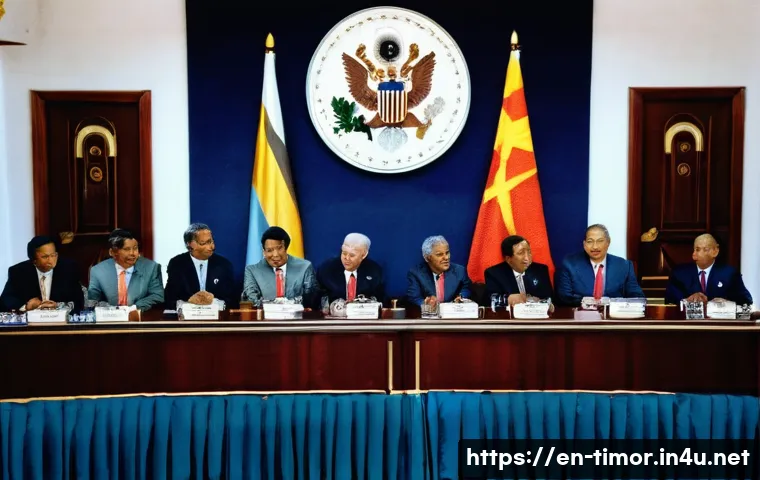
While driven by ideals, he was also pragmatic, understanding that progress required compromise and strategic planning. He balanced aspirations for rapid change with the realities of limited resources and geopolitical constraints.
This blend of vision and pragmatism allowed him to navigate complex negotiations and build alliances essential for East Timor’s survival and growth.
Empathy and Connection with People
One of his standout traits was his genuine empathy toward ordinary citizens. He frequently visited rural areas, listening to concerns and sharing their hardships.
This connection grounded his policies in real needs rather than abstract ideology. His approachable demeanor and ability to communicate directly made him beloved by many, fostering trust during uncertain times.
The Role of Culture and Tradition in His Leadership
Respecting Indigenous Practices
He understood that forging national unity meant honoring the rich cultural heritage of East Timor’s indigenous communities. Rather than imposing a single narrative, he embraced traditional customs and rituals as integral to the nation’s identity.
This respect helped preserve cultural diversity and reinforced a sense of belonging among various groups.
Incorporating Cultural Symbols in Statecraft
The president skillfully used cultural symbols—such as traditional dress, language, and ceremonies—in official events to build national pride. These symbols served as visible affirmations of independence and continuity with the past.
His encouragement of cultural expression helped counter the erasure attempts during occupation, reclaiming East Timor’s unique identity on the world stage.
Promoting Arts and Education
Recognizing the power of arts and education in shaping national consciousness, he supported programs that nurtured local talents and preserved folklore.
Schools incorporated history and cultural studies in their curricula, ensuring that young people appreciated their roots. This cultural renaissance was vital in healing the wounds of conflict and forging a hopeful future.
Strategic Diplomacy in a Complex Region
Balancing Relations with Neighboring Countries
Navigating East Timor’s geographic and political context required careful diplomacy. He maintained open channels with Indonesia and Australia, despite past conflicts, aiming to foster cooperation and stability.
His ability to engage constructively without compromising sovereignty was key to securing peace and economic partnerships.
Engagement with International Organizations
He actively sought membership in the United Nations and other multilateral bodies to legitimize East Timor’s statehood. These memberships brought not only recognition but also access to development aid and peacekeeping support.
His diplomatic efforts showcased how small nations can leverage global institutions to their advantage.
Advocacy for Human Rights and Justice
Beyond statecraft, he was a vocal advocate for human rights, drawing attention to abuses suffered during occupation. His appeals to international courts and human rights groups helped build global awareness and pressure for accountability.
This advocacy reinforced East Timor’s commitment to justice as a cornerstone of its national identity.
In Conclusion
The journey of East Timor’s first president exemplifies the power of resilience, vision, and empathy in leadership. His unwavering dedication not only secured independence but also laid the foundation for a unified and democratic nation. His story continues to inspire those striving for justice and peace around the world. As East Timor moves forward, his legacy remains a guiding light for future generations.
Useful Information to Remember
1. The first president’s leadership was deeply shaped by his early experiences under colonial rule, fueling his passion for independence.
2. His ability to unite diverse communities was crucial in fostering national identity beyond political freedom.
3. Establishing democratic institutions and international recognition were key milestones during his presidency.
4. His personal qualities—resilience, pragmatism, and empathy—helped him navigate complex challenges effectively.
5. Strategic diplomacy balanced regional relationships and global engagement, reinforcing East Timor’s sovereignty and development.
Key Takeaways
Effective leadership in newly independent nations requires a blend of personal resilience, cultural respect, and strategic diplomacy. Building inclusive governance and fostering national unity go hand in hand with securing international recognition and support. The legacy of East Timor’s first president illustrates how visionary leadership combined with grassroots connection can transform struggle into lasting nationhood.
Frequently Asked Questions (FAQ) 📖
Q: Who was the first president of East Timor, and why is he significant?
A: The first president of East Timor was Xanana Gusmão, a central figure in the country’s fight for independence. His significance lies not only in leading the nation through its initial years of sovereignty but also in symbolizing the resilience and unity of the Timorese people.
Gusmão’s leadership helped transform a war-torn territory into a hopeful, emerging democracy, inspiring both his compatriots and observers worldwide.
Q: What were the main challenges faced by East Timor’s first president during the independence period?
A: East Timor’s inaugural president confronted enormous obstacles, including the aftermath of Indonesian occupation, limited infrastructure, and international political pressures.
Rebuilding a nation from scratch meant addressing poverty, establishing governmental institutions, and fostering national identity amid lingering security threats.
Navigating these challenges required extraordinary determination and diplomatic skill, qualities that defined his presidency.
Q: How did the leadership of East Timor’s first president influence future generations?
A: The first president’s leadership instilled a deep sense of pride and hope in East Timor’s people. By prioritizing unity, education, and democratic values, he laid the groundwork for a stable society despite adversity.
Future generations have drawn inspiration from his courage and vision, continuing to build on the foundations he set. His legacy serves as a powerful reminder that perseverance and strong leadership can overcome even the most daunting struggles.