Embarking on an exchange program in East Timor offers a unique opportunity to dive into one of Southeast Asia’s most vibrant and culturally rich countries.

Beyond the stunning landscapes, students get to experience a blend of indigenous traditions and modern influences that shape daily life. This program not only broadens academic horizons but also fosters deep personal growth through community engagement and language immersion.
If you’re curious about how this adventure can transform your worldview and enhance your skills, you’re in the right place. Let’s explore the details and see what makes the East Timor exchange program truly special!
Immersing in East Timor’s Cultural Mosaic
Understanding Local Traditions and Customs
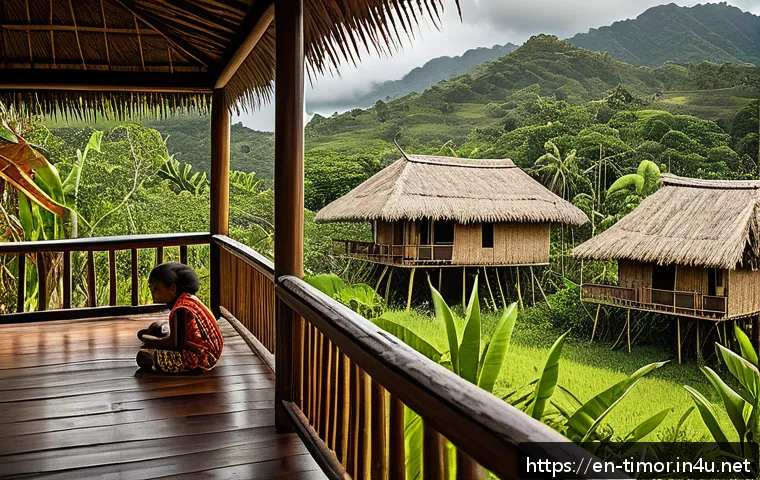
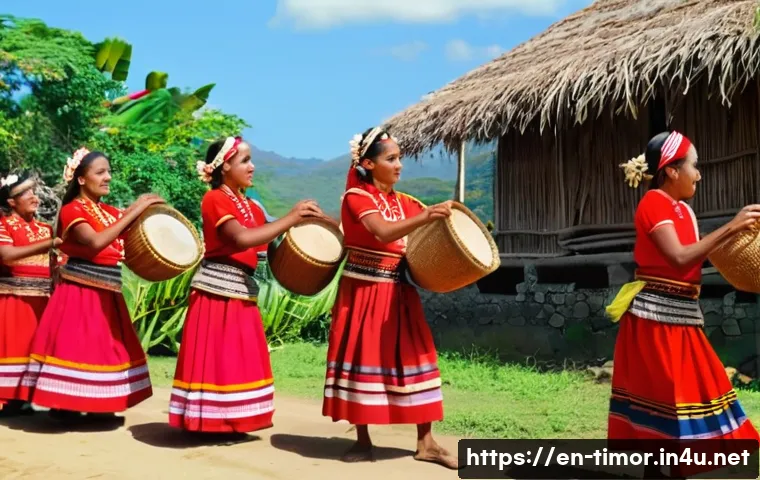
East Timor’s cultural landscape is a captivating blend of indigenous practices and Portuguese colonial influences. When living with local families or participating in community events, you quickly realize how deeply traditions shape daily life—from unique weaving techniques to vibrant dance ceremonies.
I found that engaging directly with elders and artisans offered invaluable insights into the values and history that textbooks often overlook. It’s this hands-on cultural exchange that makes the experience unforgettable and enriches your perspective beyond the classroom.
Language as a Bridge to Connection
While Tetum and Portuguese are the official languages, many East Timorese also speak Indonesian and local dialects. Learning basic phrases not only shows respect but opens doors to genuine friendships.
I remember struggling with pronunciation at first, but locals appreciated the effort, often responding with patience and humor. Language immersion here feels less like a formal lesson and more like a shared journey—one where every conversation is a step toward deeper understanding and belonging.
Participating in Community Life
The true heart of East Timor lies in its communities, where cooperation and mutual support are daily realities. Exchange students often join in farming, fishing, or local market activities, which reveal the rhythms and challenges of rural life.
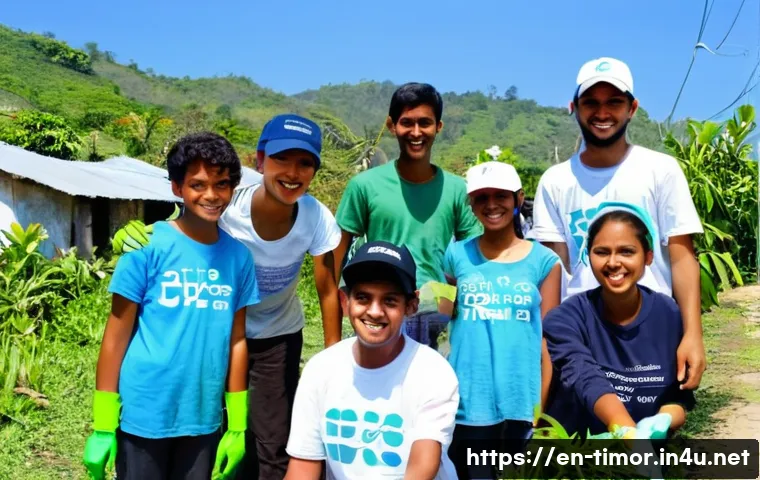
I personally took part in a village cleanup project, which was eye-opening—it wasn’t just about environmental care but about strengthening community bonds.
These experiences teach resilience, empathy, and the value of small acts contributing to bigger social goals.
Academic Enrichment Through Local Perspectives
Curriculum Integration with Cultural Context
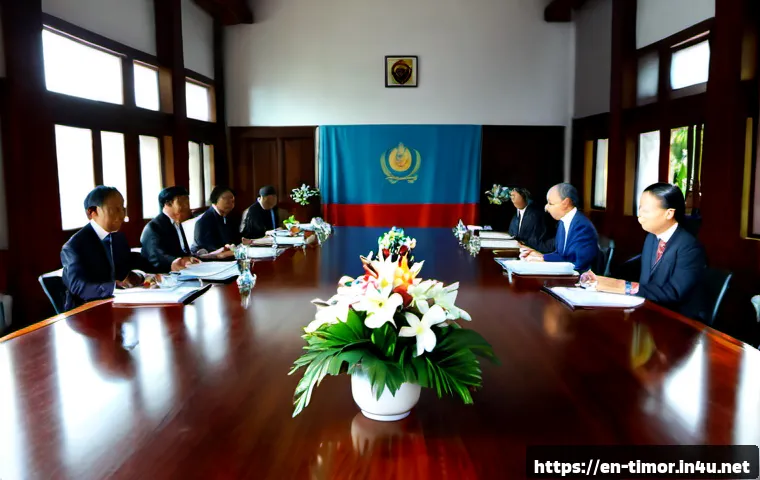
Studying in East Timor means encountering academic content deeply intertwined with local realities. Courses on history, ecology, or social development incorporate case studies and fieldwork unique to the region.
This approach helped me see theoretical concepts come alive through real-world application. For instance, learning about sustainable agriculture while visiting local farms gave me practical knowledge I couldn’t find in traditional textbooks.
Collaborative Research Opportunities
Many programs encourage joint projects with East Timorese students and community members, fostering cross-cultural collaboration. I was involved in a research initiative on traditional medicinal plants, which combined scientific inquiry with indigenous wisdom.
These partnerships not only enhance academic skills but also build lasting networks, blending diverse viewpoints to create meaningful outcomes.
Developing Critical Thinking and Adaptability
Navigating a new educational environment with different teaching styles and resources demands flexibility and problem-solving. This challenge pushed me to rethink my learning strategies and embrace creativity.
The experience sharpened my ability to analyze issues from multiple angles and adapt to unfamiliar situations—skills essential for any global citizen.
Practical Life Skills Gained Abroad
Independence and Self-Reliance
Living away from home, often in remote areas, forces you to become more self-sufficient. From managing daily chores to budgeting limited funds, every task contributes to building confidence.
I vividly recall cooking meals with local ingredients for the first time—it was a mix of trial, error, and laughter that taught me resourcefulness and patience.
Communication and Interpersonal Growth
Being immersed in a diverse environment enhances your ability to communicate across cultural boundaries. Whether negotiating with market vendors or collaborating on group projects, you develop empathy and active listening skills.
I found that embracing openness and curiosity made interactions more rewarding and helped me overcome moments of cultural misunderstanding.
Time Management in a New Context
Balancing academic responsibilities, social activities, and personal exploration requires effective time management. The slower pace of life in East Timor challenged my usual fast-moving routine, prompting me to prioritize and appreciate downtime.
This shift improved my productivity and mental well-being, teaching me that managing time isn’t just about efficiency but also about balance.
Exploring East Timor’s Natural Wonders
Discovering Pristine Beaches and Marine Life
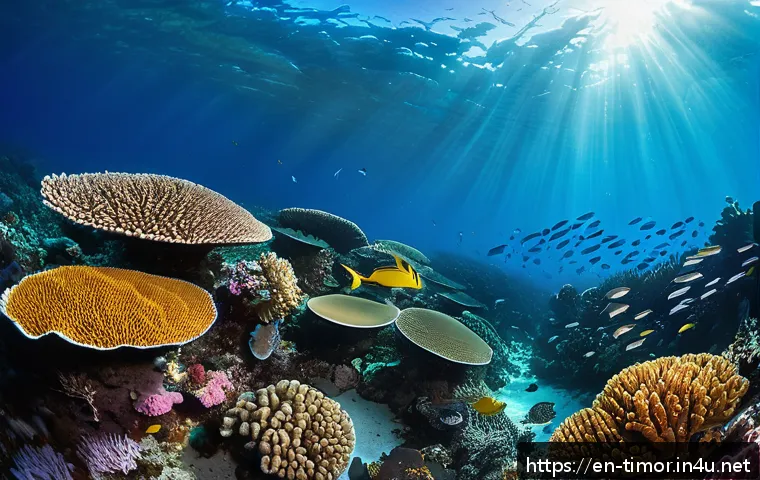
East Timor boasts some of Southeast Asia’s most untouched coastal areas. Snorkeling in crystal-clear waters revealed vibrant coral reefs teeming with fish species I’d never seen before.
This close encounter with nature heightened my awareness of marine conservation and the delicate ecosystems that depend on community stewardship.
Hiking Through Rugged Highlands
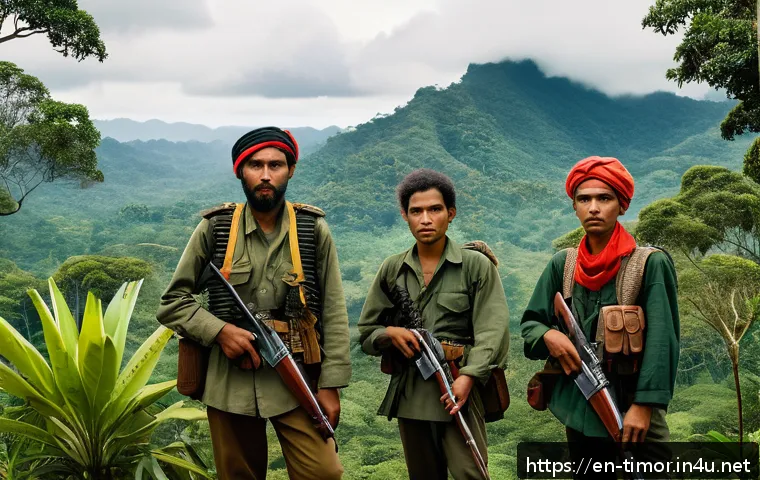
The country’s mountainous terrain offers challenging trails with breathtaking views. Trekking through forests and villages, I felt a profound connection to the land and its people.
The physical exertion paired with moments of serene beauty provided a perfect backdrop for reflection and personal growth.
Eco-Tourism and Sustainable Practices
Many local initiatives focus on promoting eco-friendly tourism that benefits communities without harming the environment. Participating in guided tours led by locals not only supported sustainable development but also deepened my appreciation for responsible travel.
It became clear how tourism, when done thoughtfully, can empower rather than exploit.
Building Lasting Relationships and Networks
Friendships Beyond Borders
The bonds formed during the exchange often transcend cultural and geographic boundaries. Sharing daily life with fellow students and host families created a support system that felt like a second family.
I still keep in touch with friends from East Timor, exchanging stories and advice as we navigate life’s ups and downs.
Mentorship and Community Support
Programs often pair exchange students with local mentors who guide them through academic and cultural challenges. This mentorship was invaluable for me, providing personalized advice and encouragement that boosted my confidence.
It’s a reminder that genuine human connections are at the core of any successful exchange experience.
Professional Growth and Networking
Beyond personal relationships, the exchange opens doors to professional opportunities. Internships, volunteer work, and collaborative projects build resumes and develop skills attractive to future employers.
The multicultural environment also enhances intercultural competence, increasingly sought after in today’s global job market.
Logistical Insights and Preparation Tips
Visa and Entry Requirements
Navigating visa applications can feel daunting, but early preparation simplifies the process. East Timor generally offers student visas with specific documentation requirements, including proof of enrollment and financial support.
I recommend contacting the embassy well in advance and keeping copies of all paperwork to avoid last-minute stress.
Health and Safety Considerations
Staying healthy abroad involves vaccinations, safe food practices, and awareness of local health facilities. During my stay, I learned the importance of carrying basic medical supplies and understanding emergency contacts.
The community-oriented nature of East Timor also means neighbors often look out for each other, adding an extra layer of security.
Budgeting and Daily Expenses
Managing finances wisely ensures a smoother experience. While East Timor is generally affordable, costs can vary depending on location and lifestyle. Below is a breakdown of typical monthly expenses to help you plan accordingly:
| Expense | Estimated Cost (USD) | Notes |
|---|---|---|
| Accommodation | 150 – 300 | Host family stays or dormitories |
| Food | 100 – 200 | Local markets and occasional dining out |
| Transportation | 30 – 60 | Motorbike rentals or public transport |
| Communication | 10 – 20 | SIM card and internet data |
| Miscellaneous | 50 – 100 | Supplies, leisure, emergencies |
Planning a budget with some flexibility for unexpected expenses helped me feel secure and enjoy my time without constant worry about money.
Concluding Thoughts
Experiencing East Timor offers a unique blend of cultural immersion, academic growth, and personal development. The warmth of the communities and the richness of the environment create an unforgettable journey that goes far beyond traditional study abroad programs. Embracing both challenges and opportunities here truly broadens your worldview and nurtures lifelong connections.
Useful Information to Keep in Mind
1. Learning basic local languages like Tetum can greatly enhance your experience and foster genuine relationships with residents.
2. Participating actively in community life offers deep insights into daily challenges and strengthens your adaptability.
3. Planning your budget carefully, including accommodation and transportation, helps avoid unexpected financial stress.
4. Prioritize health precautions by getting recommended vaccinations and knowing where to find medical help locally.
5. Engaging in eco-tourism supports sustainable development and allows you to appreciate East Timor’s natural beauty responsibly.
Key Takeaways
Immersing yourself in East Timor requires openness to new cultural norms and learning approaches, which fosters both academic and personal growth. Building strong relationships with locals and peers is essential, as they provide invaluable support and enrich your experience. Proper preparation—including visa arrangements, budgeting, and health awareness—is crucial to ensure a smooth and fulfilling stay. Finally, respecting and contributing to the community’s sustainability efforts leaves a positive impact and deepens your connection to this remarkable country.
Frequently Asked Questions (FAQ) 📖
Q: What kind of cultural experiences can I expect during the exchange program in East Timor?
A: During the exchange program, you’ll immerse yourself in a rich tapestry of Timorese culture. Expect to participate in traditional ceremonies, try local cuisine, and learn about indigenous customs that have been passed down through generations.
You’ll also witness how modern influences blend with these traditions, especially in urban areas like Dili. From my experience, engaging with community members firsthand offers a truly eye-opening perspective that you just can’t get from books or documentaries.
Q: How challenging is it to adapt to life in East Timor as a student?
A: Adapting to life in East Timor does come with its challenges, especially if it’s your first time in a developing country. The pace of life is slower, infrastructure might be basic compared to what you’re used to, and language barriers can be real since Tetum and Portuguese are widely spoken.
However, this is part of the growth experience. I found that embracing the local way of life, being patient, and learning key phrases made the transition smoother.
Plus, the warmth and hospitality of the people make you feel welcome almost immediately.
Q: Will participating in this program improve my language skills?
A: Absolutely! Language immersion is one of the biggest benefits of studying in East Timor. While English is used in academic settings, daily interactions mostly happen in Tetum and Portuguese.
You’ll find yourself picking up conversational skills quickly just by interacting with locals, shopping at markets, or attending community events. From my time there, I noticed that even a few weeks of immersion boosted my confidence and ability to communicate in a new language far beyond what I expected.